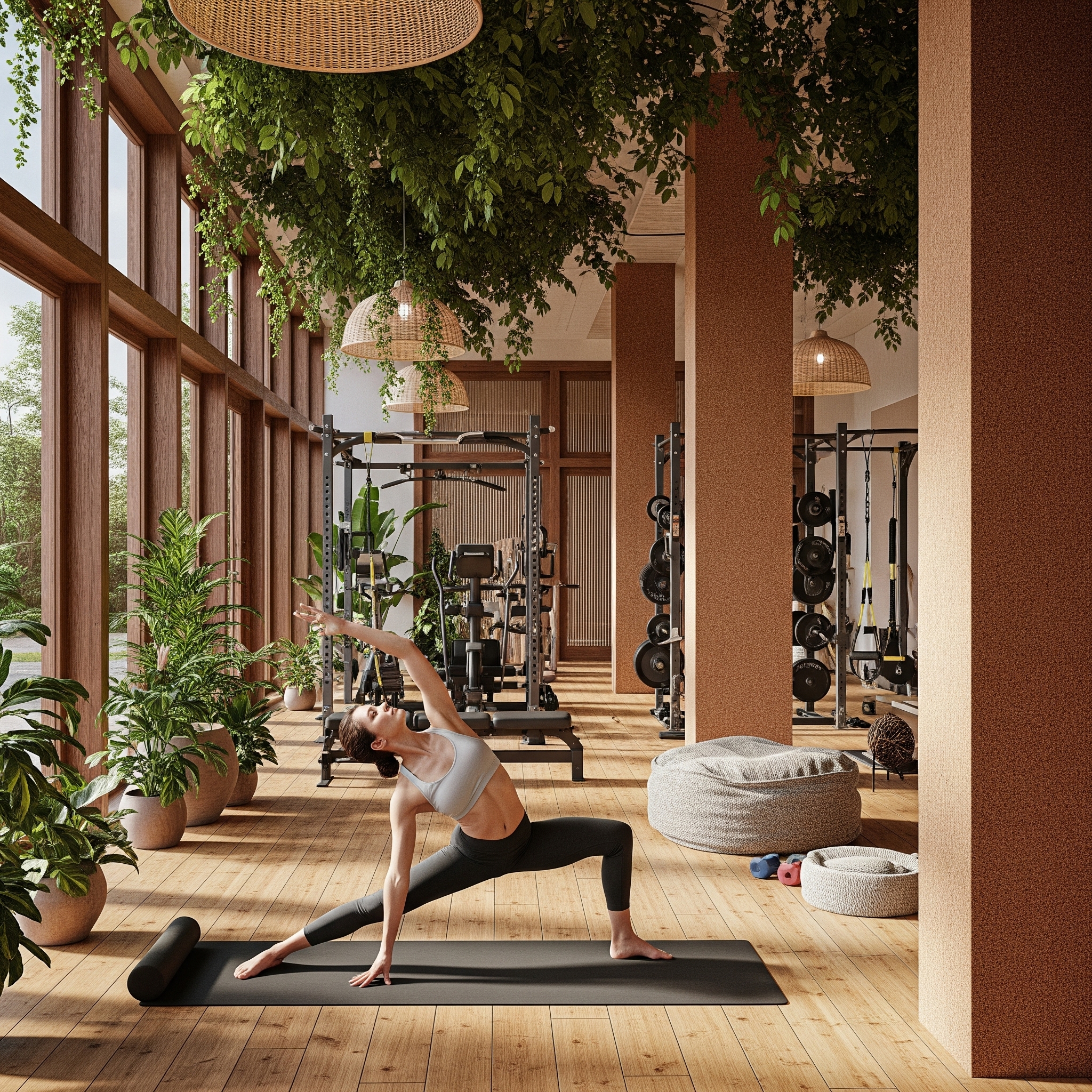
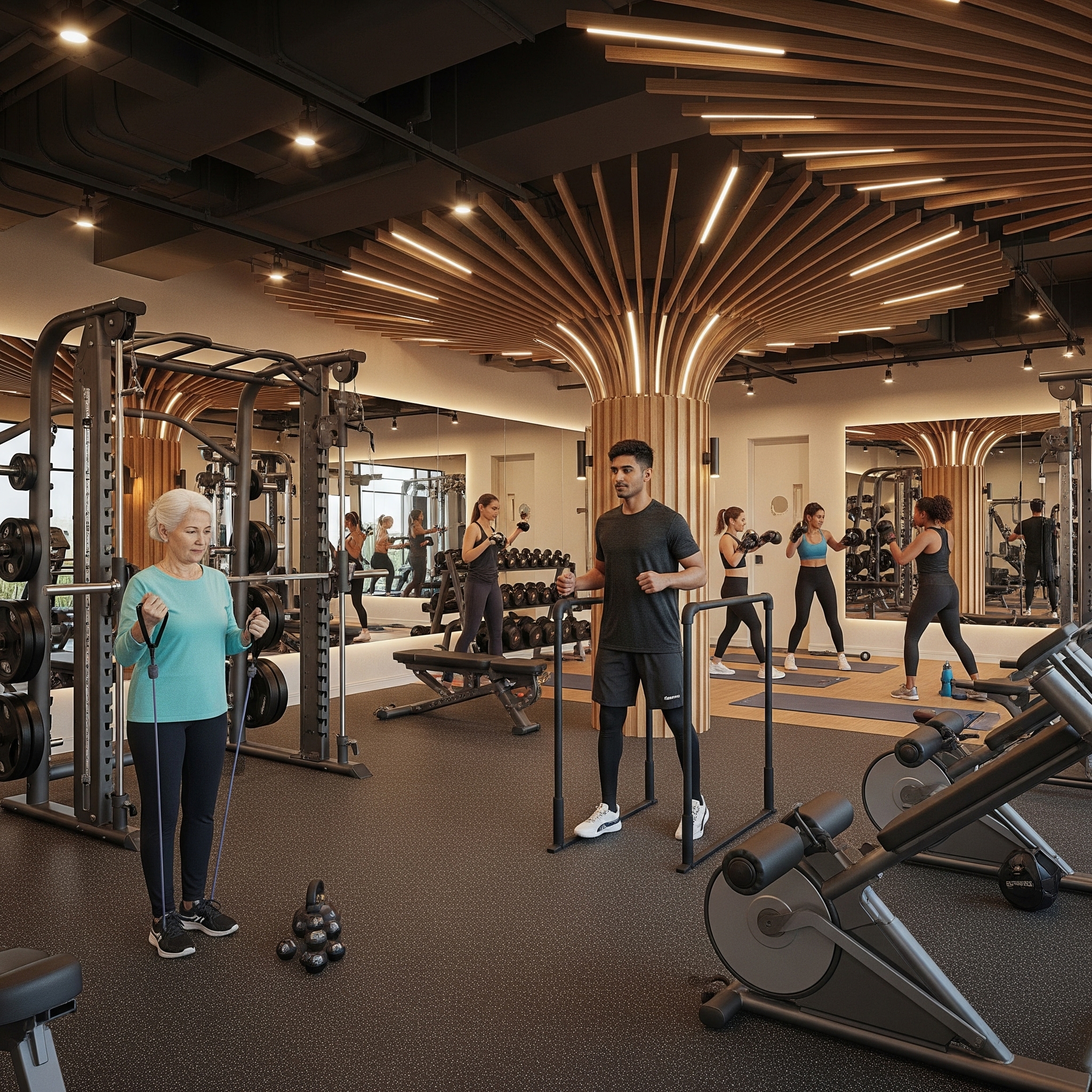
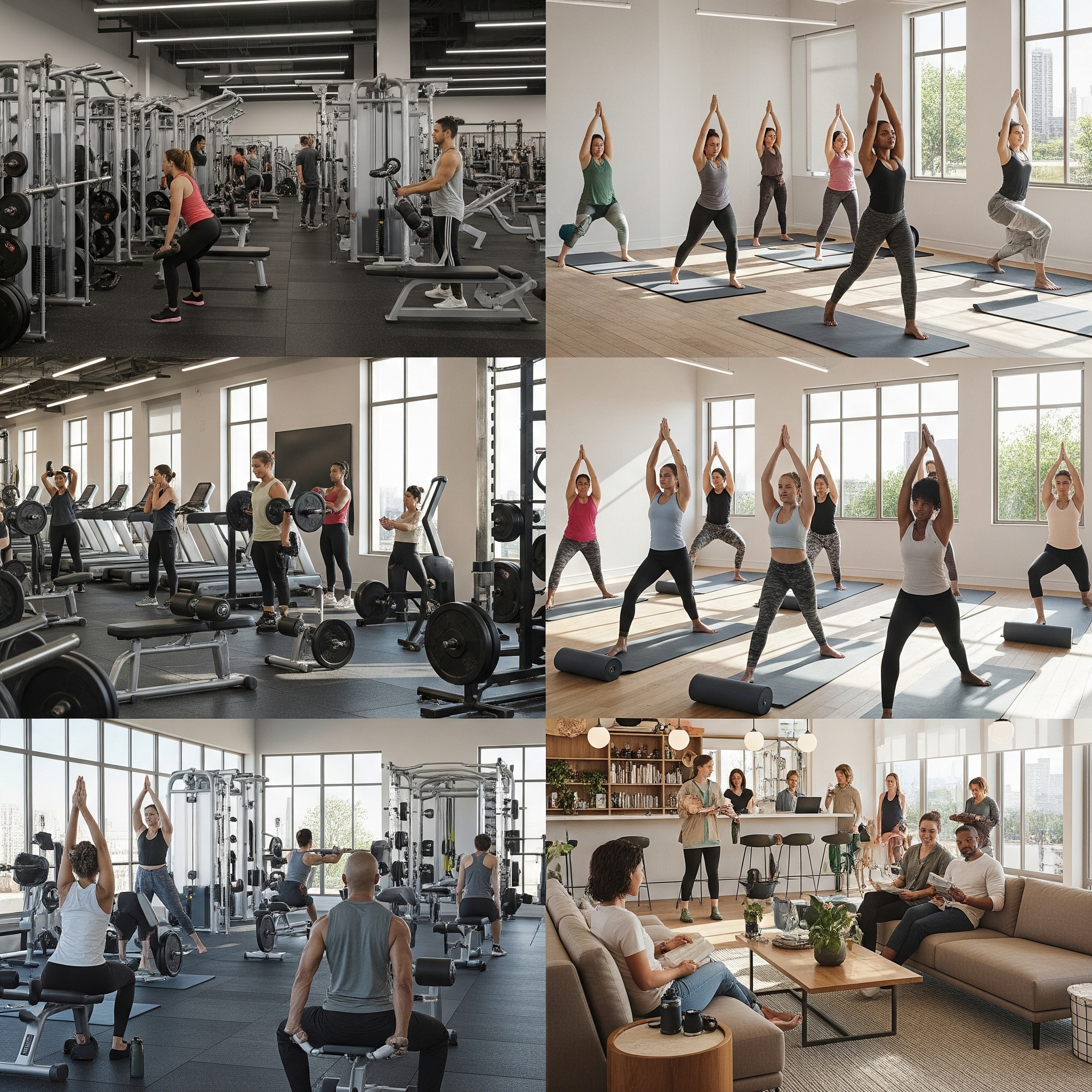
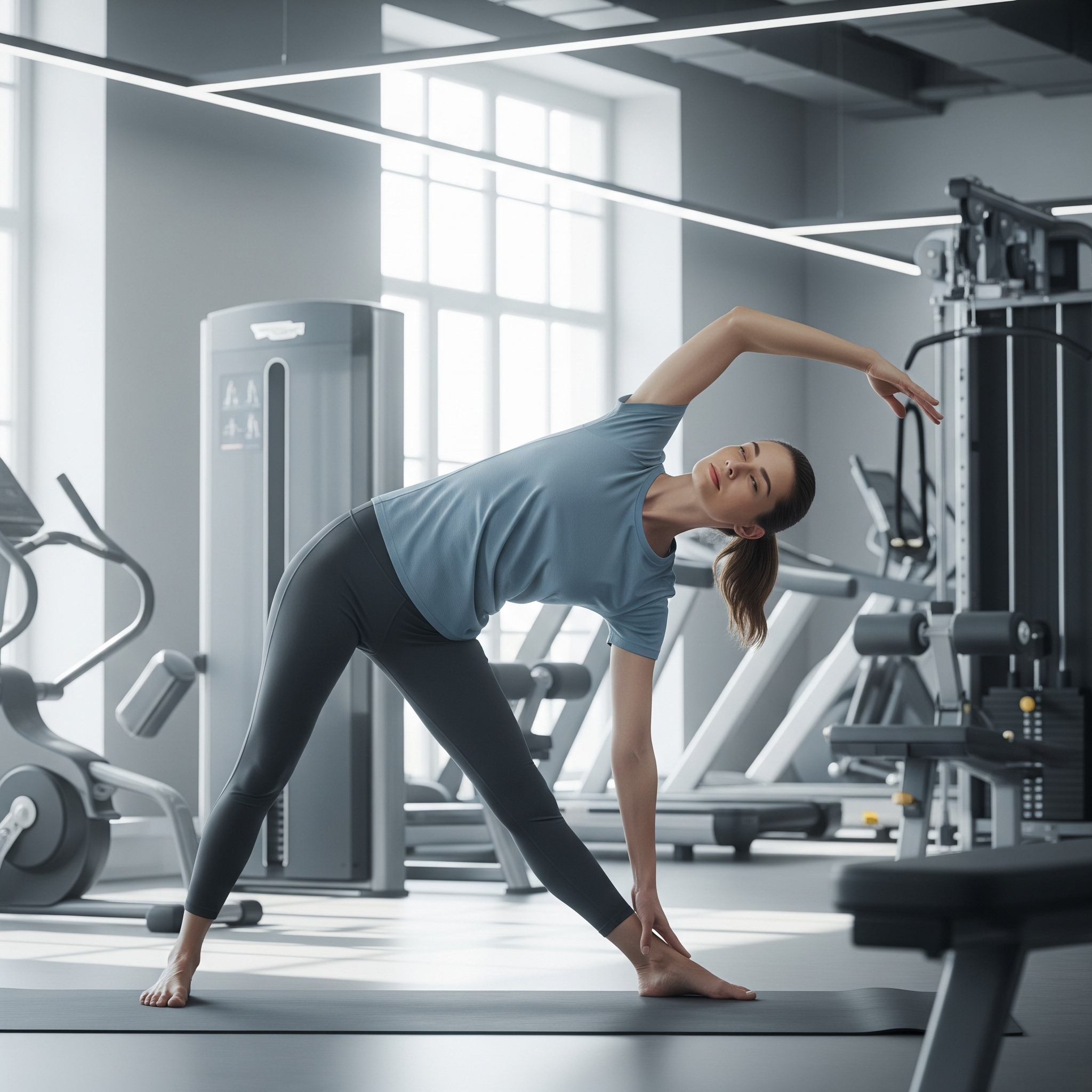
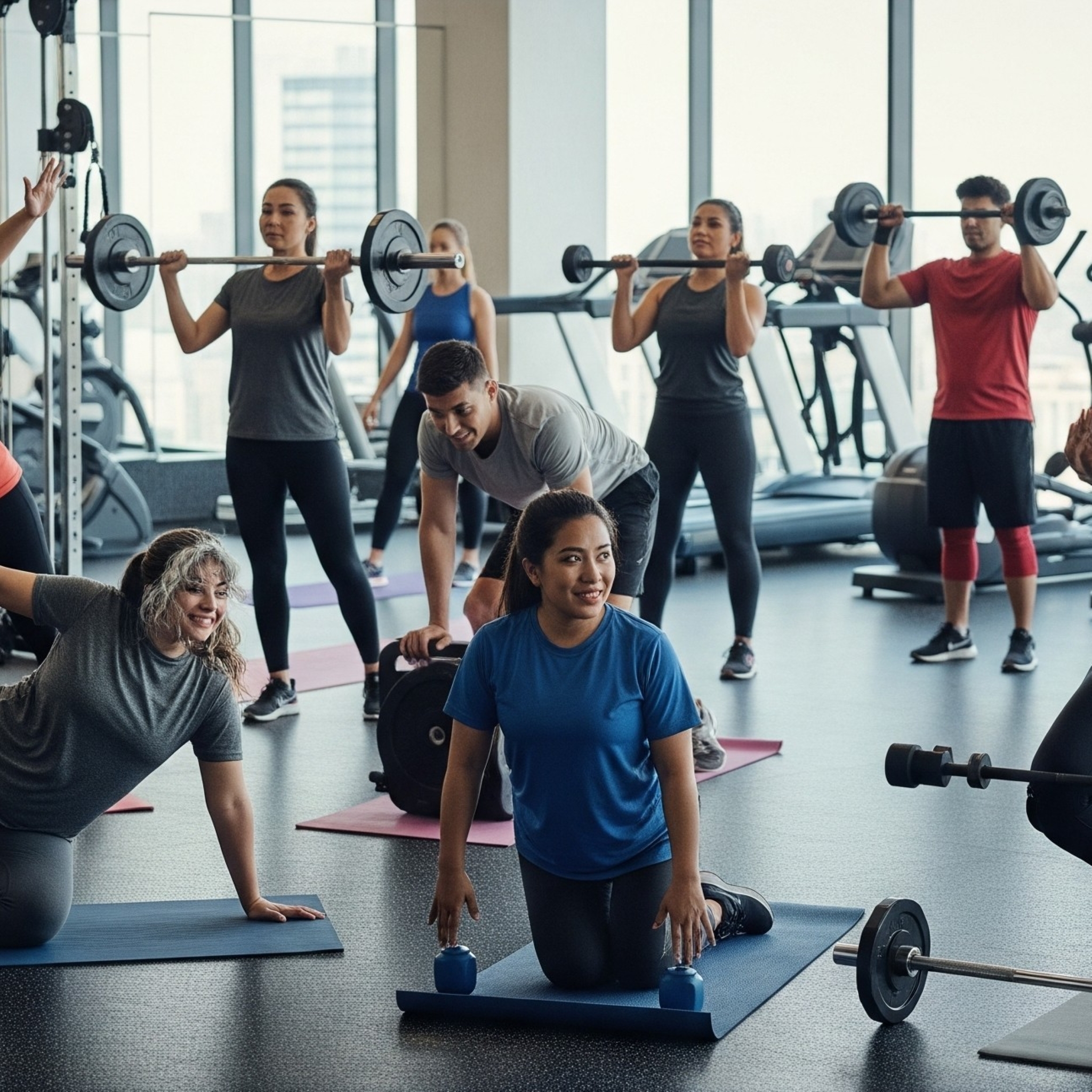
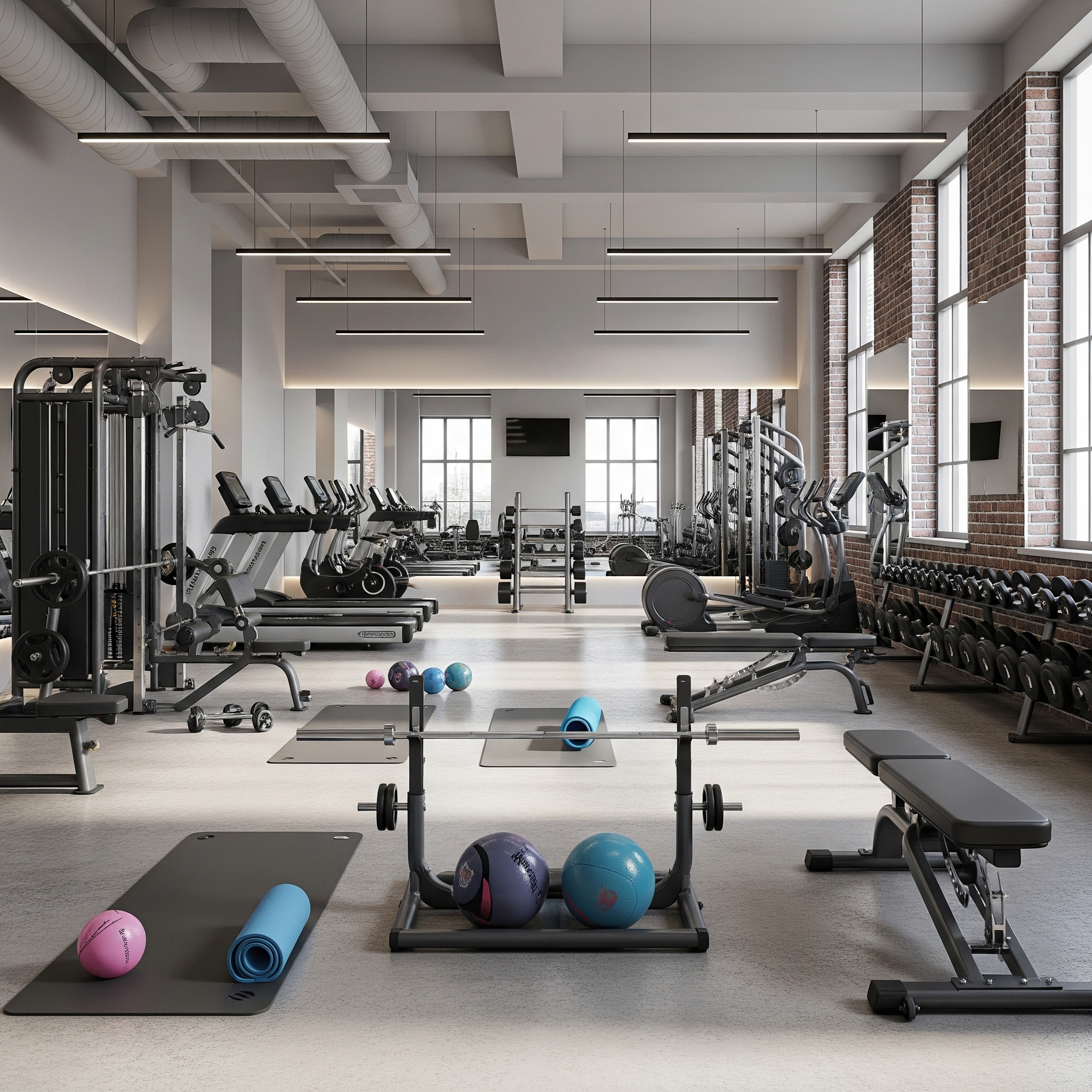
Boutique gyms—spaces specializing in offering high-value workouts in small environments—are leading the change in how we understand physical and emotional well-being.
Intentional training: the return of the essentials
Instead of seeking physical perfection or competitive performance, the new global trend in wellness proposes something simpler, but deeper: training with intention.
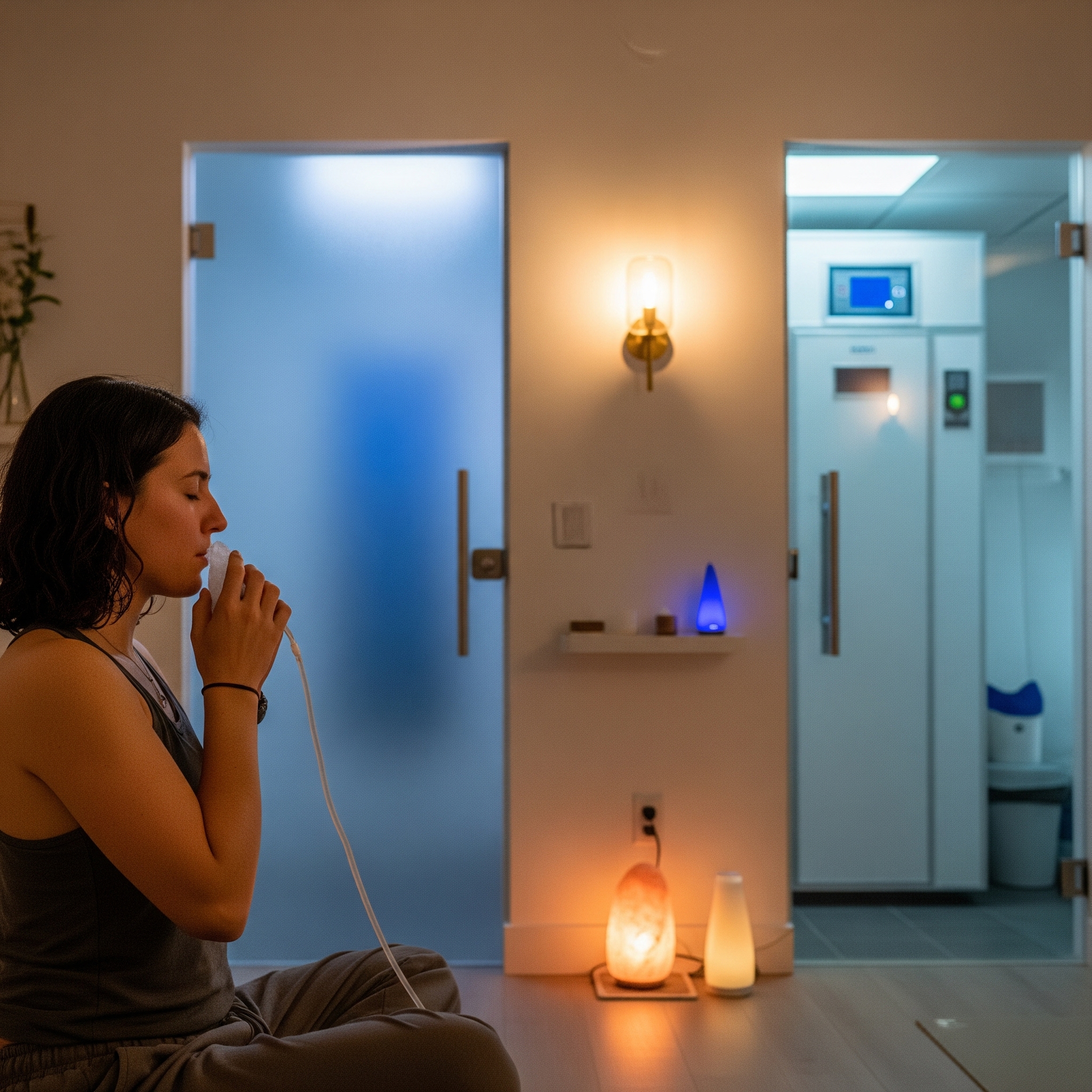
Cold therapy, breathwork, and other booming practices
At a time when chronic stress, body disconnection, and digital information overload seem to be the norm, more and more people around the world are looking for new ways to reconnect with their physical, emotional, and mental health.
From guided meditation apps to smartwatches that measure sleep and heart rate, digital tools promise to lead us to a healthier, more connected, and more efficient life.
Wellness trends 2025: what's coming and what's worth it?
The wellness industry is constantly evolving. Every year, new proposals, technologies, approaches, and promises emerge, all seeking to address a growing need: to live better.
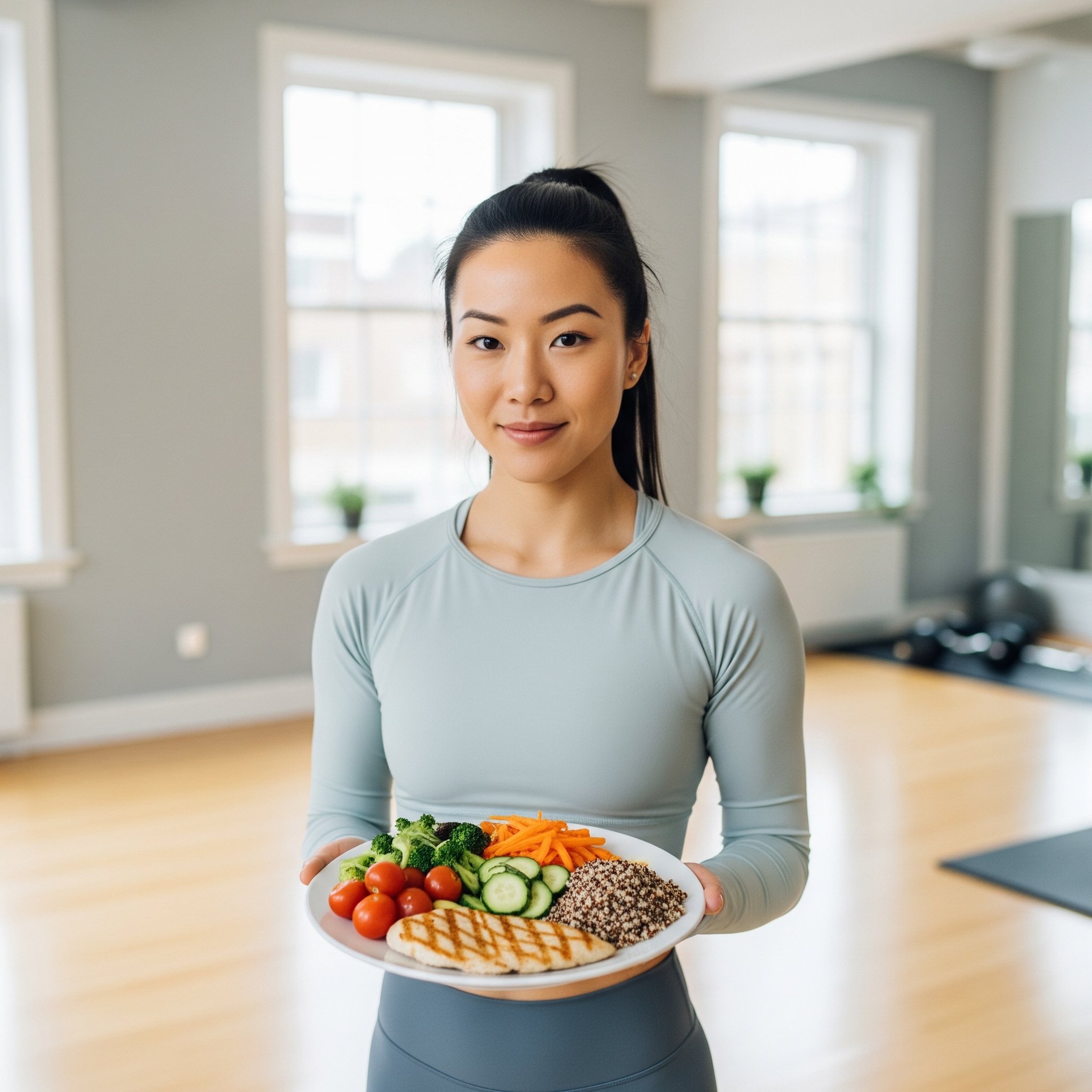
Beyond fads or restrictive diets, eating with purpose involves establishing a balanced, respectful, and present relationship with food and with ourselves.
Nutrition and energy: what you eat influences how you train
Nutrition is not only the fuel that powers your body, it is also the foundation upon which muscle recovery, energy performance, and mental clarity are built.
Demystifying nutrition: you don't need to "eat perfectly"
In the world of nutrition and wellness, the idea that we must "eat perfectly" has gained strength, fueled by social networks, health gurus and trendy diets.
Mindful Eating: How to apply mindfulness to every bite
In a hyper-connected and constantly accelerating world, eating has become an automatic activity. We often eat in front of a screen, in meetings, or while working on pending tasks.
At El DOJO, we understand that mindful eating goes beyond counting calories or following lists of “good” or “bad” foods. Mindful eating is a practice that connects body, mind, and environment.
On the path to a healthier relationship with food, one of the most common and underestimated challenges is learning to distinguish between real hunger and emotional hunger.
At El Dojo, we understand training as a holistic practice that unites body, mind, and spirit. And in that triad, nutrition is not an accessory: it's a pillar.
In a world that constantly pushes us to go faster, eating has become a mechanical activity. We often ingest food without registering its flavor, its texture, or how it makes us feel.
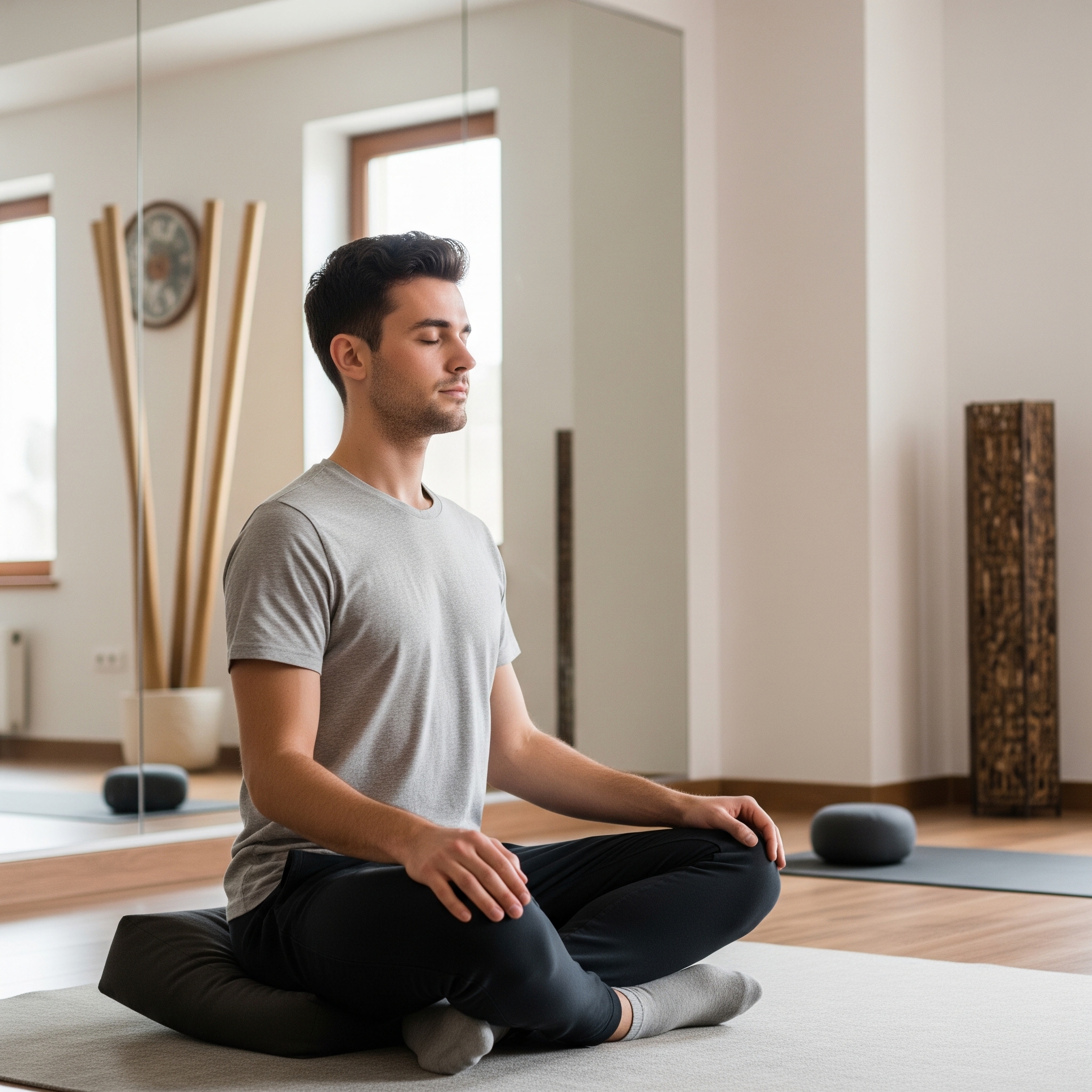
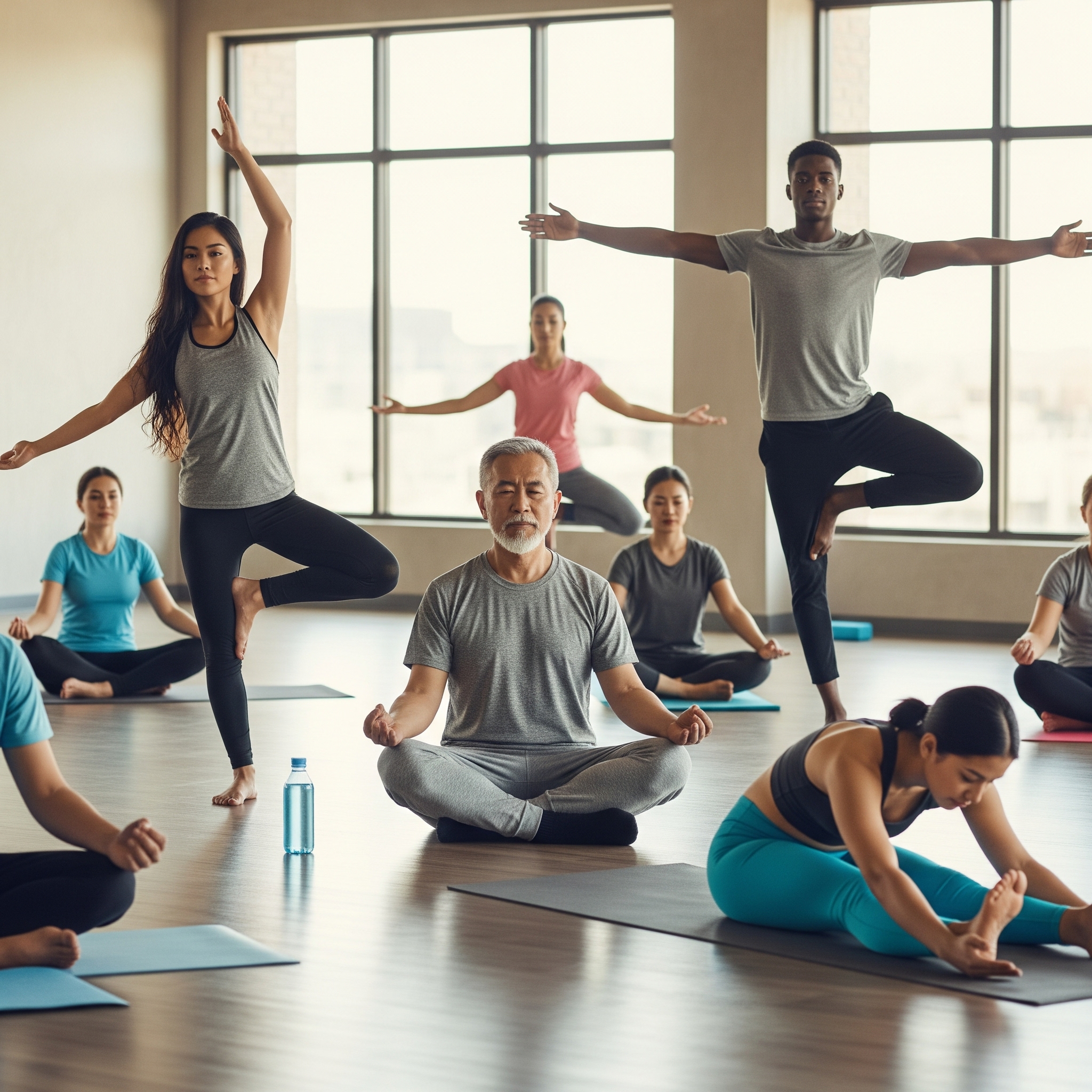
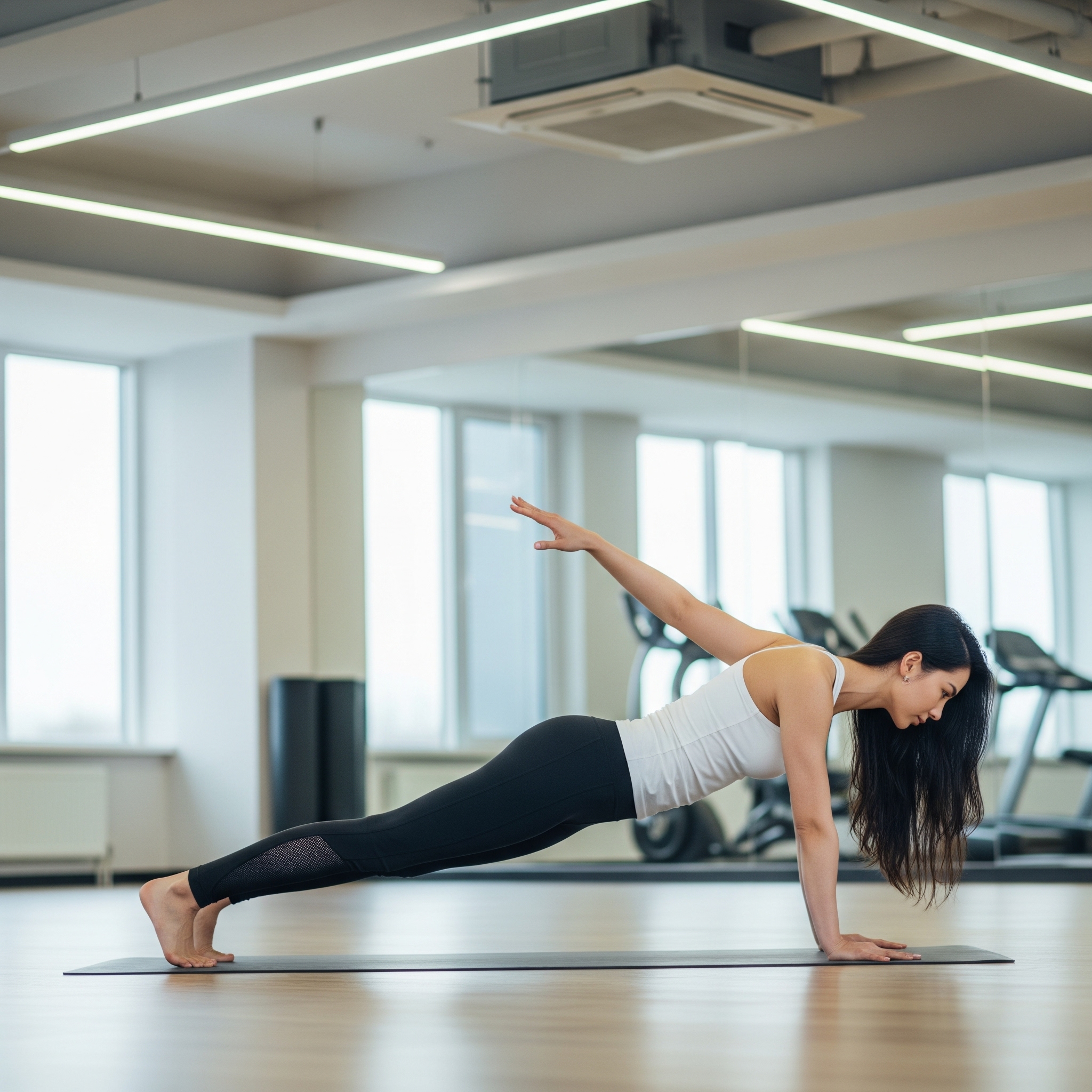
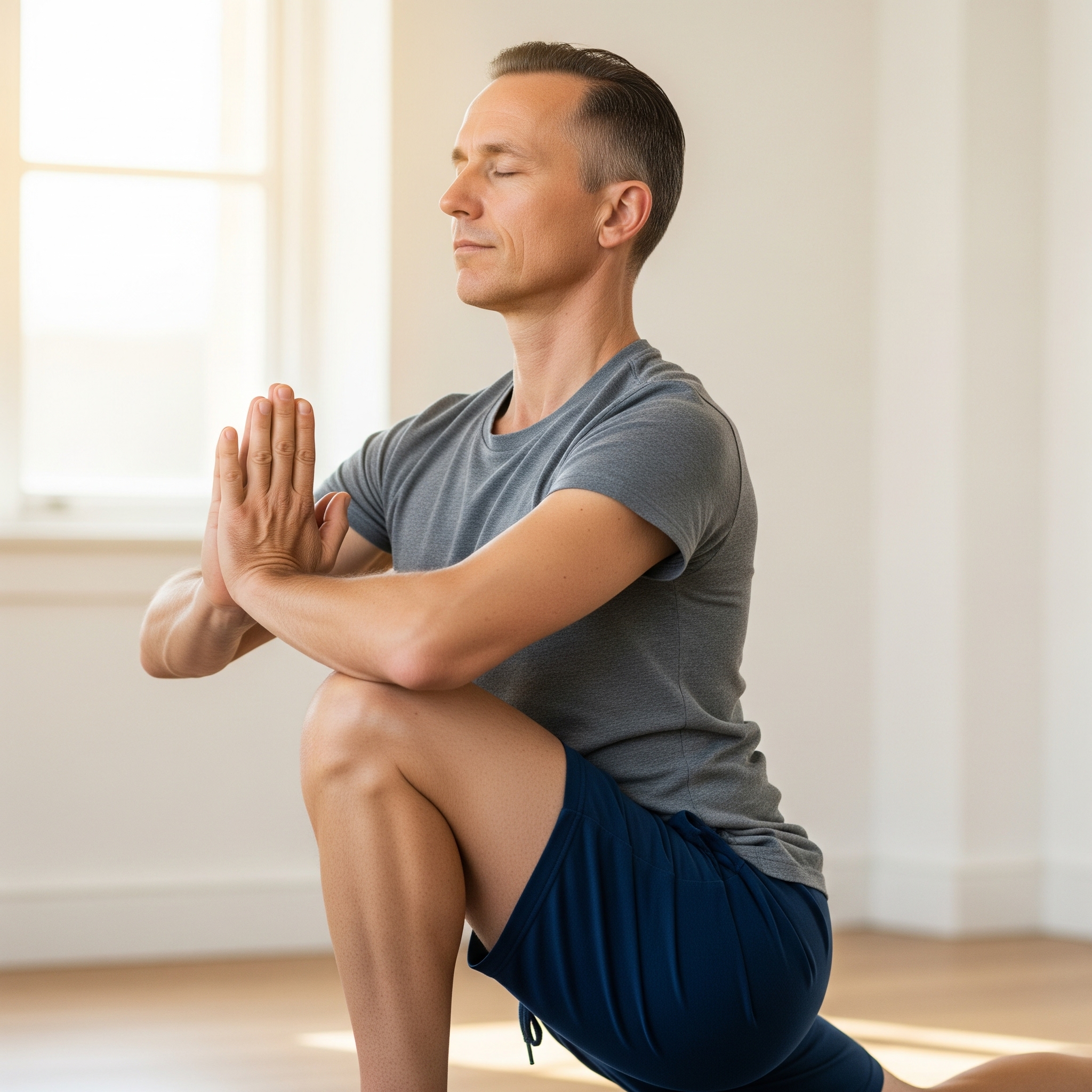
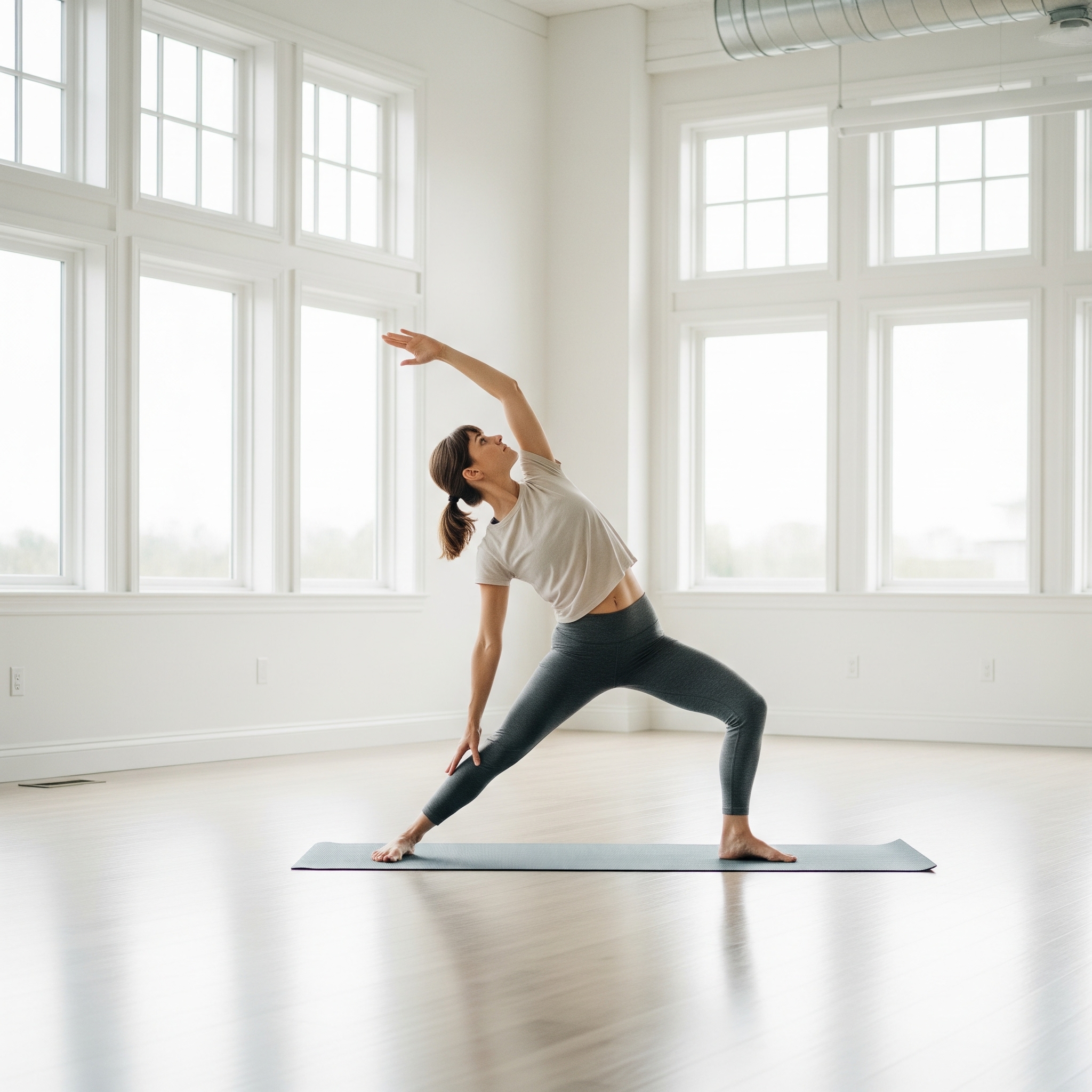
Yoga doesn't begin or end on the mat. The true essence of yoga lies in its ability to transcend the moment of formal practice and extend into every aspect of daily life.
In real practice and in the bodies that move every day, both disciplines can be complementary, synergistic, and profoundly enriching when integrated with intention.
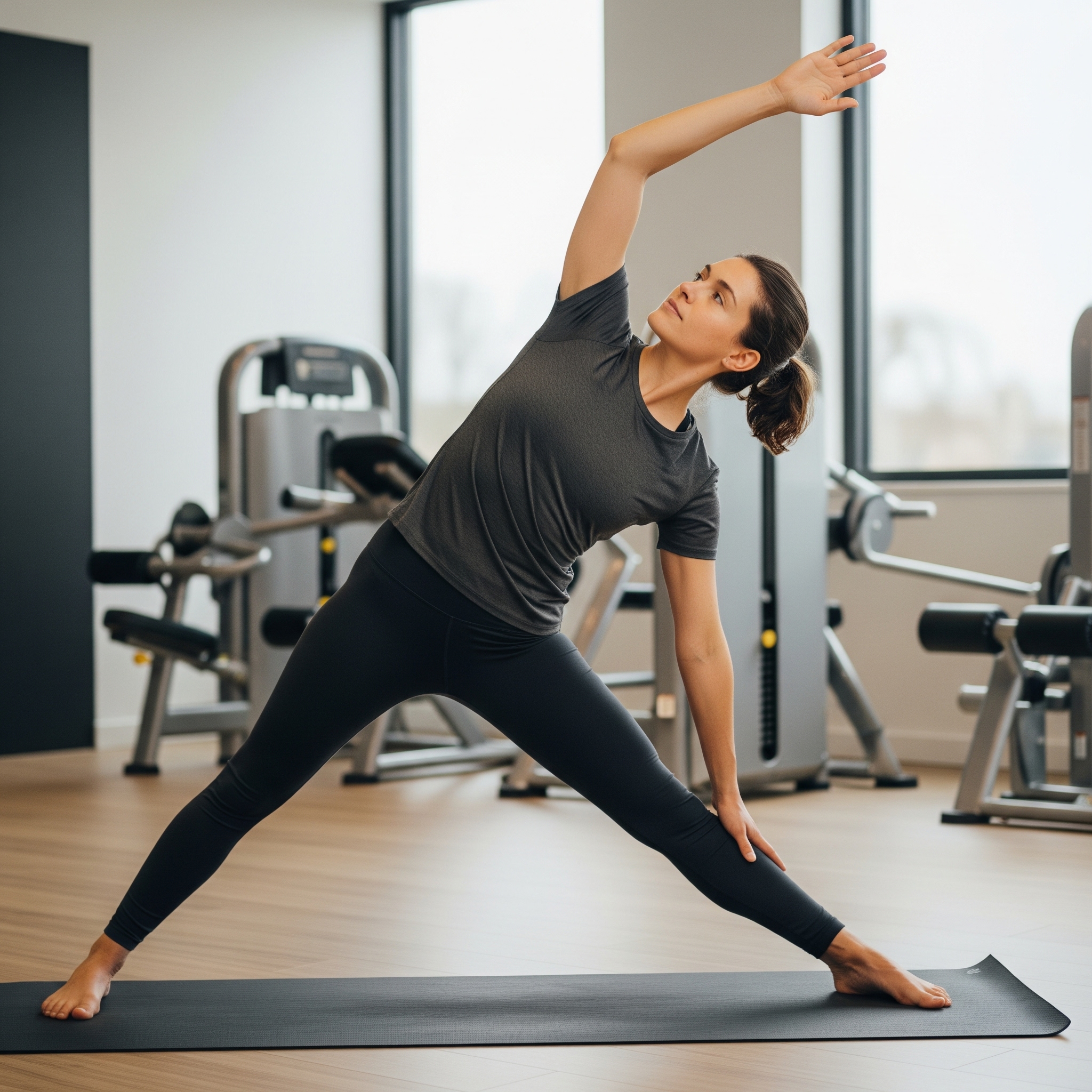
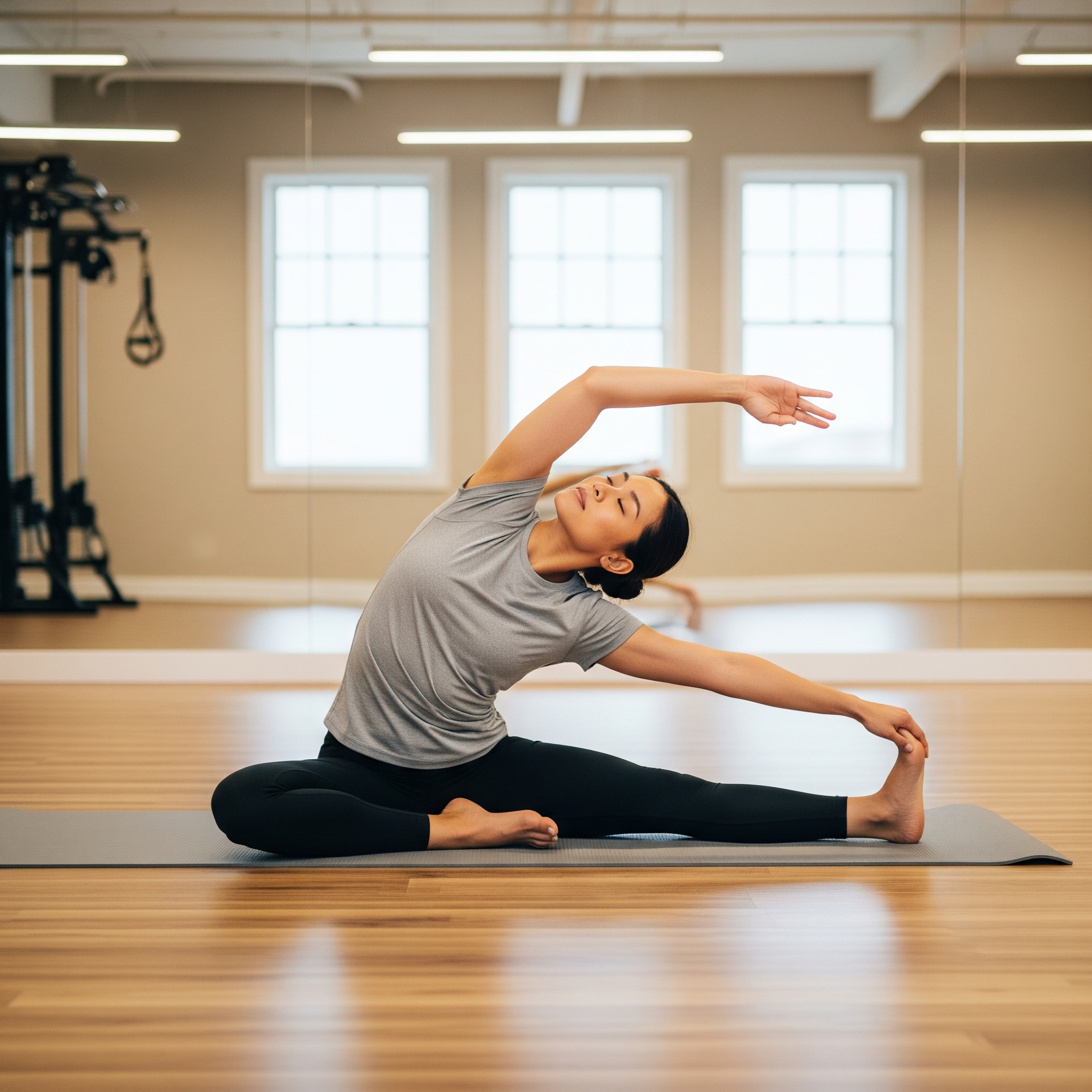
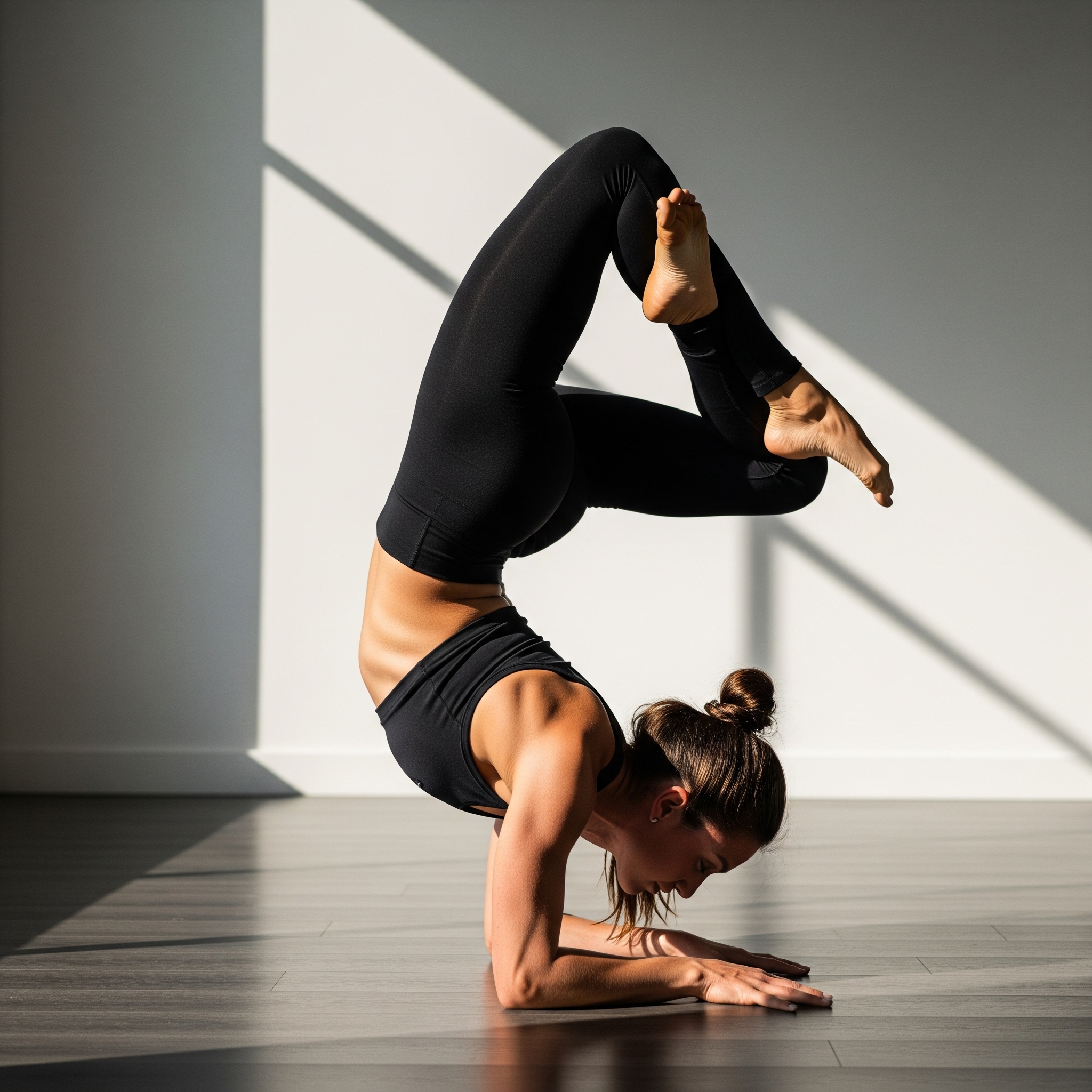
You don't need to be flexible to do yoga. In fact, practicing yoga is one of the most effective, progressive, and safe ways to develop flexibility over time.
Whether it's due to overwork, hyperconnectivity, personal worries, or simply the accelerated pace of daily life, it's very easy to enter a state of sustained tension.
Modern routine pushes us to inhabit the mind more than the body, to move on autopilot, to ignore physical signals that indicate tiredness, stress or the need for a break.
Exercise and the menstrual cycle: how to move in each phase
Talking about physical training without considering the menstrual cycle is ignoring a fundamental part of the physiological and hormonal process of many people who train.
In a world saturated with training methods, 30-day challenges, extreme diets, and quick promises, the DOJO method emerges as a conscious, holistic, and transformative alternative.
Benefits of functional training for the body and mind
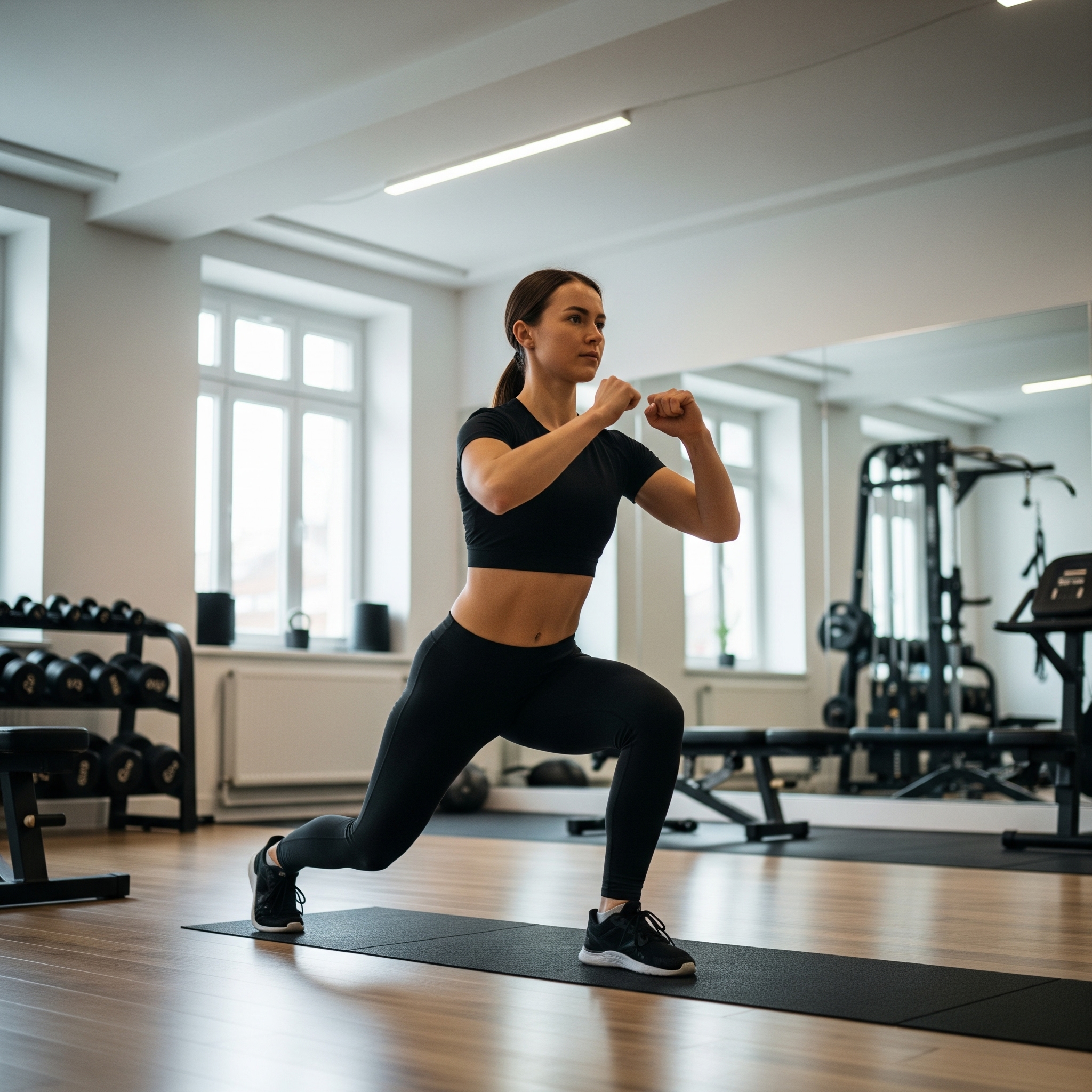
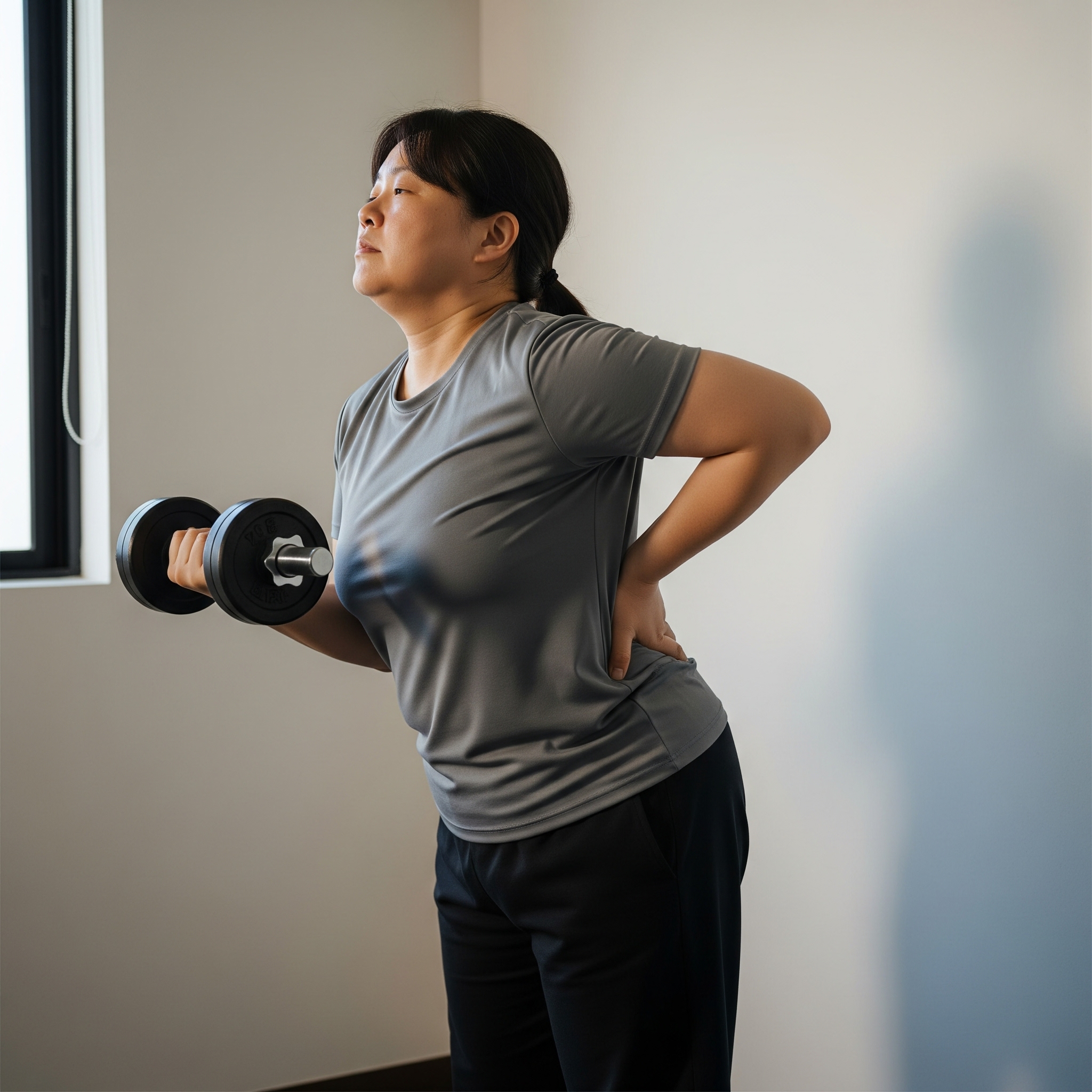
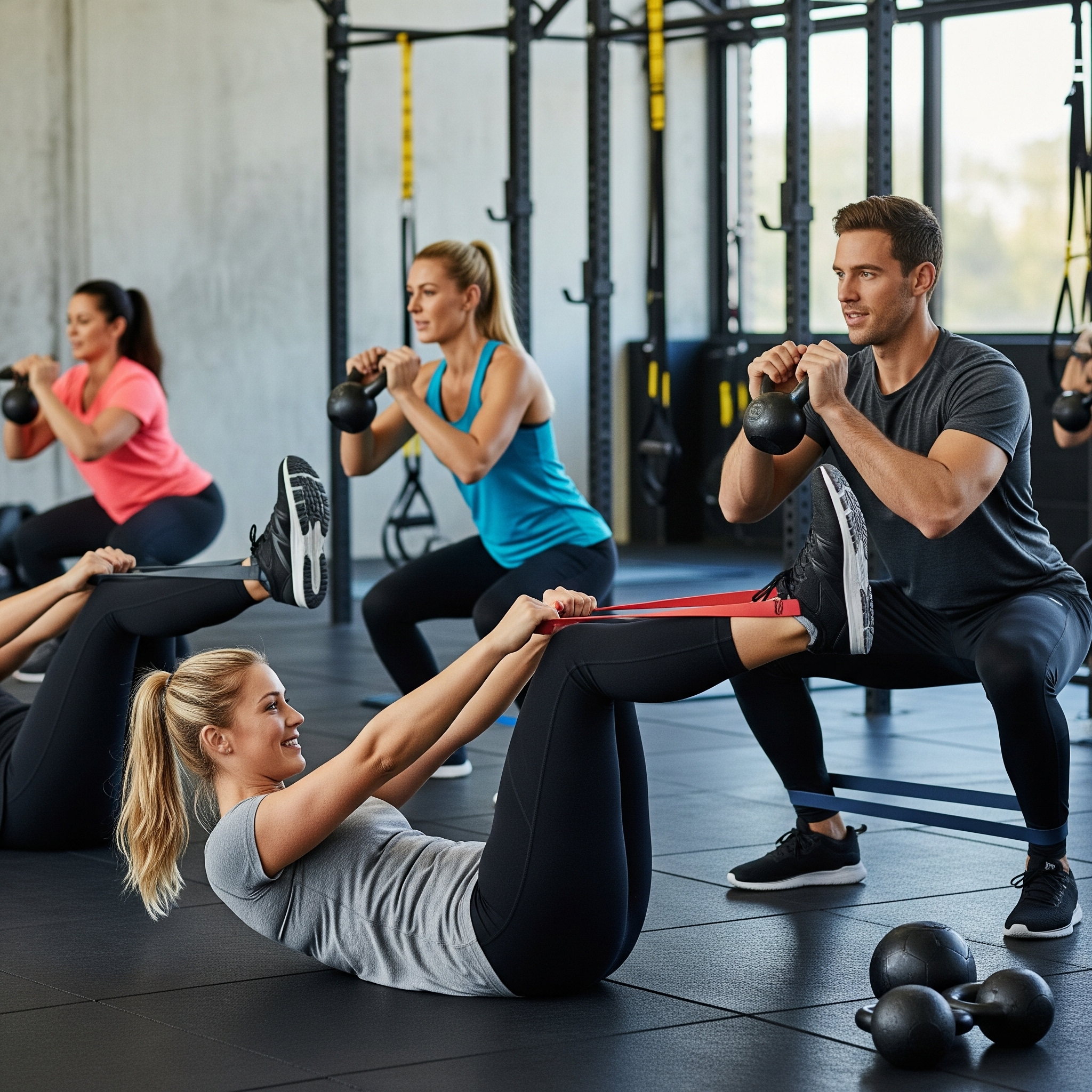
In a world where efficiency and functionality are increasingly valued, functional training has emerged as one of the most comprehensive and intelligent ways to exercise the body. Unlike other fitness methods that isolate muscles or seek immediate aesthetic results, functional training focuses on improving how the body moves and responds to the physical challenges of daily life.
For years, the relationship between physical exercise and health has been dominated by a simplistic logic: train to burn calories. This narrative, rooted in traditional fitness culture, reduces movement to a tool for "expending energy," compensating for overeating, or achieving an aesthetic ideal. As if the body were a mathematical equation of what goes in and what goes out.