Technology and health: what tools really help?
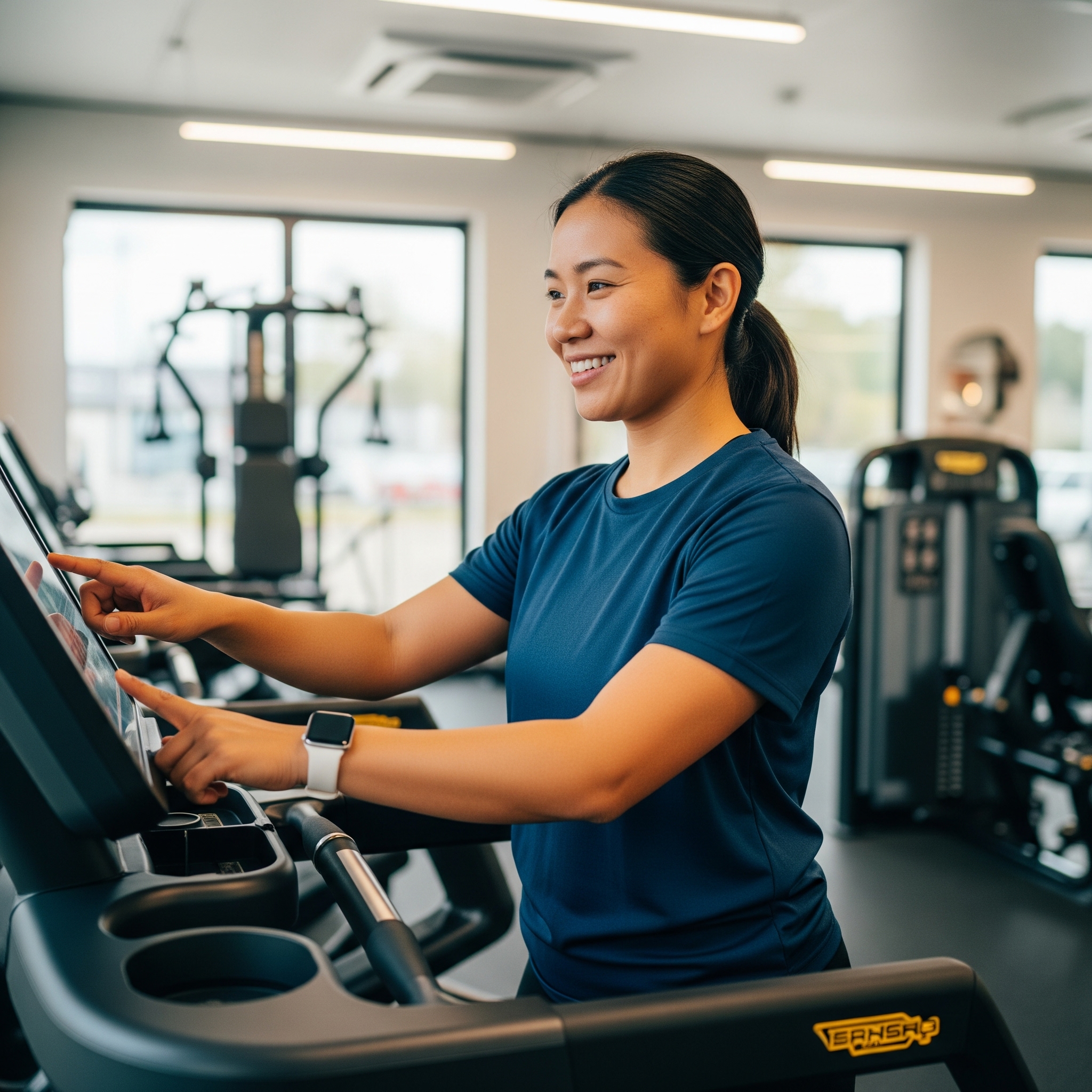
Technology has transformed almost every aspect of our lives, and the world of wellness is no exception. From guided meditation apps to smartwatches that measure sleep and heart rate, digital tools promise to lead us toward a healthier, more connected, and more efficient life. But faced with this avalanche of innovation, an inevitable question arises:Are all these technologies really helping us? Or are some of them creating more noise than benefit?
We explore the real impact of technology on health and well-being, identify which tools are supported and make sense, and offer you clear criteria for consciously integrating them into your personal practice. Because at The Dojo, we believe that well-being isn't measured solely in steps or calories, but in...how we live and feel our body, our mind, and our community.
El auge del wellness tech
The market for technology applied to well-being is growing exponentially. In 2024 alone, the global sector ofwellness techIt surpassed $500 billion in value, with even more ambitious projections for 2025. This expansion includes:
- Wearables(wearable devices) such as smartwatches, heart rate bands, sleep and recovery sensors.
- Mobile appsthat offer meditation, personalized training, menstrual tracking, guided breathing, or nutrition.
- Online training platformswith live classes, recorded routines, or digital coaching plans.
- Emerging technologiessuch as virtual reality to reduce stress, biofeedback for emotional control, or AI to personalize physical performance.
This boom responds to a legitimate need: people want more control, information, and support in their pursuit of health. But it also presents a challenge:How to distinguish a useful tool from a technological distraction?
What makes a technological tool truly useful?
Not all technological innovation is synonymous with well-being. Many tools are designed to capture attention, collect data, or promote consumption, not necessarily to generate real and sustainable change in people's health.
To assess whether a wellness technology is truly valuable, we propose 4 key criteria:
1. Promote body awareness, not disconnection
A good tool should help you toListen to your body betterDon't delegate all your decisions to an app or a graph. For example, a watch that measures your heart rate can be useful if it teaches you to recognize your internal states. But if you depend on the device to know if you're okay or not, you're losing autonomy.
2. Facilitates adherence to healthy habits
The best technologies are those thatThey eliminate friction and promote consistency.An app that reminds you to stretch periodically, or a timer for your daily breathing practice, can help you maintain simple but powerful routines.
3. It has reliable scientific or technical support.
Not all apps or devices are evidence-based. It's crucial to look for tools developed by teams with expertise in physiology, neuroscience, fitness, or mental health. If the offer sounds too magical or promises effortless results, be wary.
4. Respect your privacy and your pace
A wellness tool should help you toMake informed decisions, don't create anxietyData collection should be clear, respectful, and useful. And above all, technology shouldn't pressure you with metrics that increase stress (like constant alerts about "low performance" or "goals not met").
Tools that do add value
With these criteria in mind, we review some technologies that, when used correctly, can have a positive impact on your well-being:
▸ Meditation and mindfulness apps
Platforms like Insight Timer, Headspace, and Petit Bambou offer guided breathing exercises, body scans, and relaxation techniques. When used regularly, they can improve sleep, reduce anxiety, and promote emotional regulation.
▸ Smartwatches with biofeedback
Devices like those from Garmin, Polar, Fitbit, or Apple allow you to monitor variables such as heart rate, stress levels, and sleep quality. While not perfect, they can help you recognize patterns and make more informed decisions about rest, training intensity, or the need for breaks.
▸ Functional training and yoga platforms
Websites like NEOU, Alo Moves, or even local initiatives that combine mindful movement, strength, and mobility, can offer flexible and accessible support. When consistent, these tools broaden access to quality practices, especially in contexts with limited in-person availability.
▸ Integrated menstrual tracking apps
Tools like Clue, Flo, or Natural Cycles (with scientific backing) allow menstruating people to record symptoms, cycle phases, and adapt their workouts or routines according to their own physiological needs.
▸ Guided breathing technology
Devices like Moonbird or the Breathwrk app offer guided breathing exercises that adapt to different goals: relaxation, energizing, and concentration. These short workouts can be invaluable tools for managing everyday stress.
Risks and limits of excessive use
Although many of these tools can be positive,Its excessive or careless use also has negative effects:
- Technological dependenceCompletely delegating self-care to an app can decrease internal listening and generate anxiety.
- Data fatigueReceiving too much information (and not knowing how to interpret it) can be overwhelming and counterproductive.
- Depersonalization of well-beingNot everything can be measured. Not everything can be optimized. Human experience is also made up of the intangible, the emotional, the spontaneous.
That's why at The DOJO we promote a useintelligent, aware and with good judgmentof technology. As a tool—not an end in itself.
Technology can be a great ally on the path to well-being, but only if it is at the service of...self-awareness, autonomy, and human experienceIt's not about rejecting digital technology, but about integrating it meaningfully. About using it to enhance, not to replace.
In this hyper-connected world, true innovation lies in knowing how to choose: what serves us, what nourishes us, and what brings us closer to a more fulfilling life. At El DOJO, we believe in the power of combining modern tools with ancestral practices, data with intuition, science with presence.
Because at the end of the day, true well-being isn't measured in steps or calories:It is experienced in the body, in the breath, and in the connection with others.
Related articles
See more
Sustainable trends: well-being for the body and the planet

Self-care as a form of personal activism
How boutique gyms are evolving around the world