How boutique gyms are evolving around the world
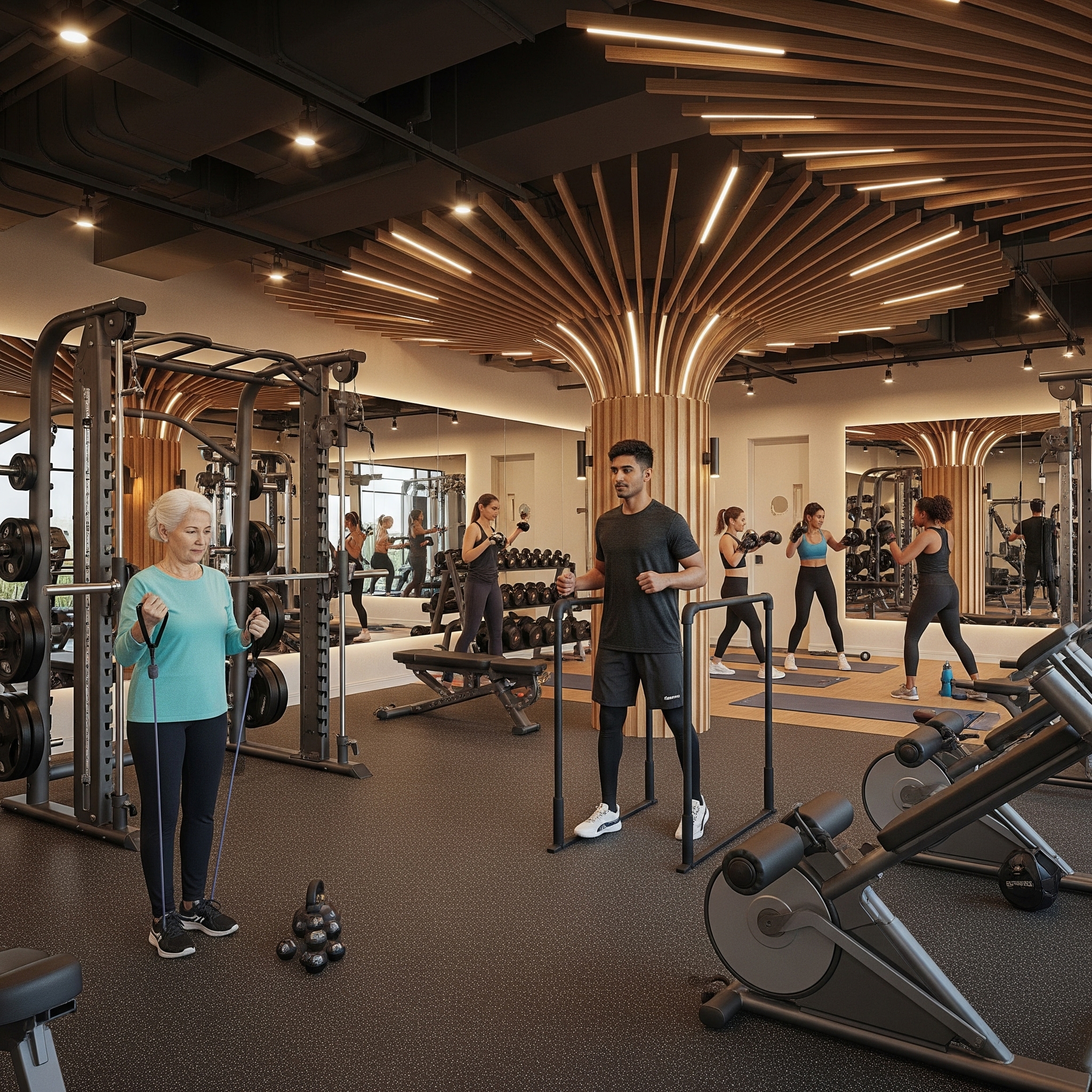
The fitness industry is undergoing a profound transformation. Offering demanding routines or state-of-the-art facilities is no longer enough. Today, users seek more personalized, mindful, inclusive, and sustainable experiences. In this context, boutique gyms—spaces specializing in offering high-value workouts in intimate settings—are leading the shift in how we understand physical and emotional well-being.
With a proposition that blends technology, community, design, and purpose, boutique gyms have gone from being a niche trend to becoming true wellness innovation labs. And, globally, they are increasingly adopting sustainable practices that respond both to environmental commitment and a more holistic vision of well-being.
In this article we explore how this model is evolving in the world and why it represents the future of mindful fitness.
1. Personalization as the core of the experience
One of the main differentiators of boutique gyms is their focus on personalization. Unlike large training centers, these spaces are designed to work with small groups or even individual sessions, allowing for more personalized attention, a program tailored to each person's specific needs, and a greater focus on technique.
This personalization also translates into training experiences that incorporate broader goals: mental health, mobility, rest, nutrition, and emotional well-being. Training ceases to be an obligation and becomes a self-care ritual.
2. Design with purpose: aesthetics, functionality and sustainability
The design of boutique gyms has evolved beyond aesthetics. Increasingly, these spaces are being built or remodeled with sustainability criteria in mind: recycled or low-environmental-impact materials, energy-efficient LED lighting, natural ventilation systems, efficient water use, and locally produced furniture.
Furthermore, interior design plays a key role in the user experience. Minimalist, warm, and inviting environments, combined with natural elements such as wood, live plants, and earth tones, create an atmosphere that encourages connection, not just physical exertion. This approach seeks to break with the traditional model of the cold and noisy gym, giving way to spaces that promote holistic well-being.
3. Technology at the service of well-being, not competition
Technology is present in many boutique gyms, but not as an end in itself, rather as a means to enhance the workout experience. Progress management platforms, health metric monitoring, AI-powered adaptive routines, and hybrid (in-person and virtual) classes are just some of the ongoing innovations.
Furthermore, the ethical and conscious use of data is prioritized: the information collected about the user's body, habits, and emotional state is used to improve the experience, not to generate pressure or encourage extreme competitiveness.
The challenge for boutique spaces is not to incorporate more technology, but to do so responsibly, prioritizing the quality of the human experience.
4. Real communities, not just memberships
Unlike conventional gyms, where members can easily blend in, boutique gyms foster a strong sense of community. People join not just to work out, but to feel part of a group, share values, motivate each other, and build genuine connections.
Some international trends include community-based training programs, memberships shared with social causes, outdoor sessions that include cleaning public spaces, and monthly events focused on mental health and collective well-being. These initiatives transform the act of training into a form of social participation and local activism.
5. Sustainability in daily operations
Beyond their infrastructure, many boutique gyms are adopting sustainable practices in their daily operations. Some of the most common include:
- Elimination of single-use plastics (cups, bottles, wrappers).
- Local suppliers of healthy snacks and supplements.
- Eco-friendly and biodegradable cleaning products.
- Sportswear from ethical brands for sale or internal use.
- Incentives for those who arrive by bicycle or use shared transport.
These types of measures, although they may seem small, generate a significant impact when they are coherently integrated into the philosophy of the place.
6. Inclusion and diversity as pillars of well-being
Another major evolution of boutique gyms is their inclusive approach. Instead of focusing exclusively on "fit" or aesthetically normative bodies, these spaces are opening their doors to people of all ages, genders, fitness levels, and personal backgrounds.
Adaptive training, non-binary language, gender-neutral restrooms, body acceptance campaigns, and programs designed for neurodivergent individuals, older adults, and people with reduced mobility are all being promoted. This broader vision of well-being understands that fitness is not just about performance, but about real and lasting well-being for everyone.
7. New membership models and conscious loyalty
Boutique gyms are also innovating their membership models. Instead of long-term contracts or inflexible payments, they offer more adaptable options aligned with today's lifestyles: single classes, monthly passes, hybrid memberships (online + in-person), and discounts for positive impact (such as bringing a friend, using sustainable transportation, or participating in volunteer work).
This flexibility allows more people to access wellness without unnecessary commercial pressures and promotes long-term relationships based on trust and the real value of the experience.
Boutique gyms are redefining how we relate to exercise, space, and community. Their evolution responds not only to a demand for personalization and quality, but also to a broader shift in consciousness: working out is not just a physical goal, it's an act of alignment with our values, our environment, and the kind of life we want to build.
At El DOJO, we believe fitness should be sustainable, human, and transformative. It's not about training harder, but about training with purpose. About taking care of ourselves while also taking care of the world we live in. And about building, step by step, a culture of well-being that embraces diversity, awareness, and action.
Because true change begins with the body… but it doesn't end there.
Related articles
See more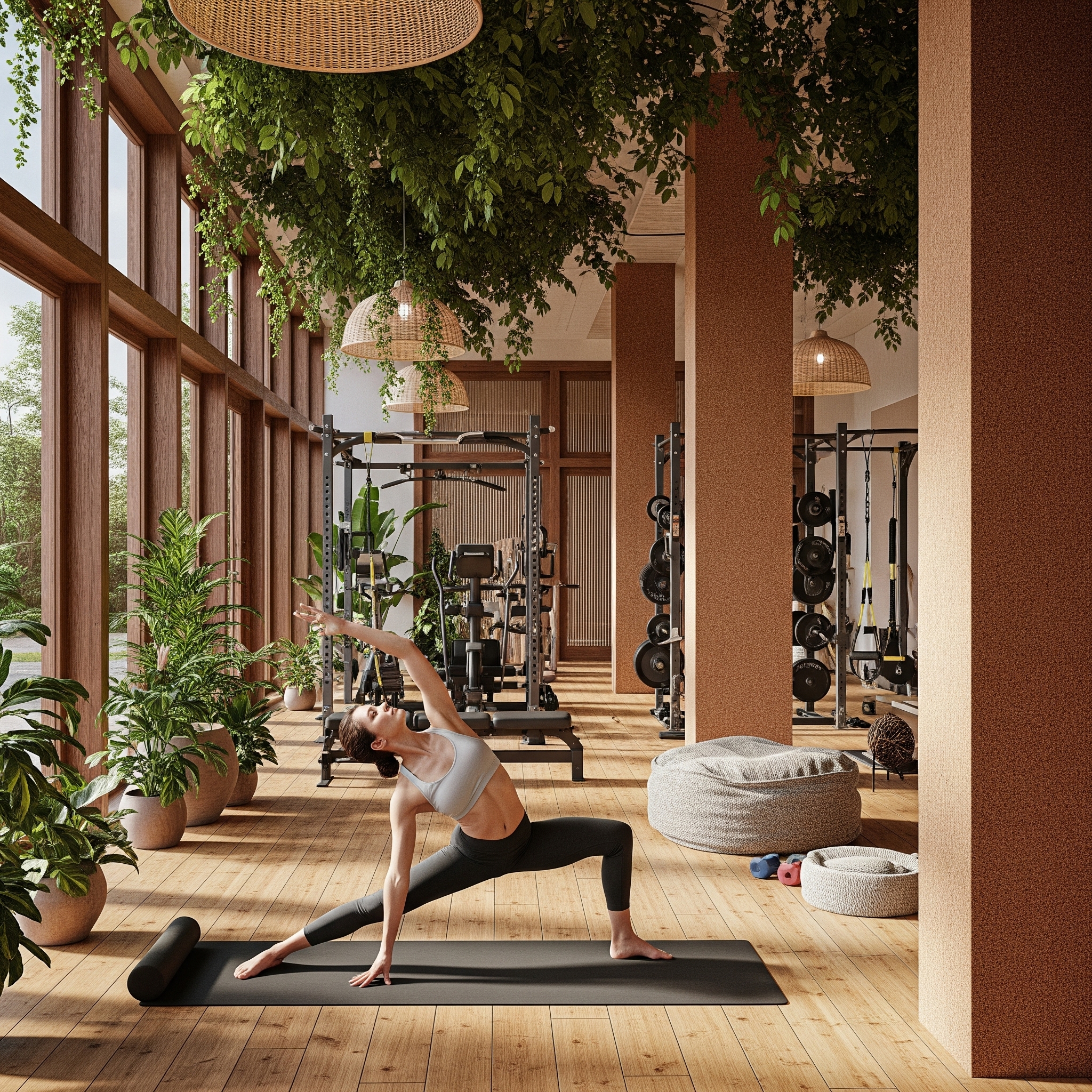
Sustainable trends: well-being for the body and the planet


Self-care as a form of personal activism
Intentional training: the return of the essentials