How to start yoga if you've never been flexible
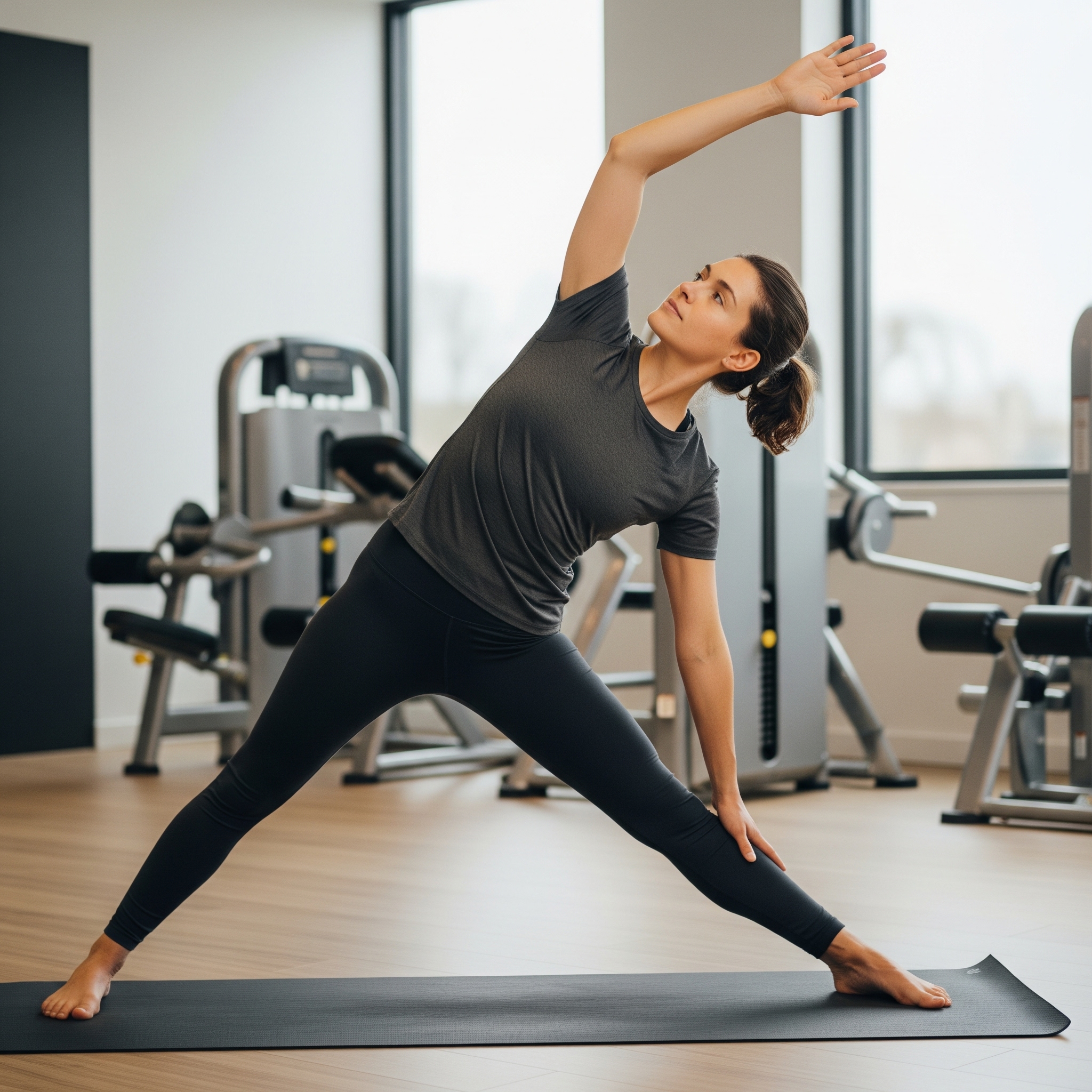
One of the most common phrases we hear when someone considers starting yoga is:“I would love to practice, but I’m not flexible.”This thought, while understandable, reflects a myth that we want to dismantle:You don't need to be flexible to do yoga.In fact, the practice of yoga is one of the most effective, progressive, and safe ways to develop flexibility over time.
At El Dojo, we understand that approaching yoga for the first time can raise questions, especially if you have a distant relationship with movement or if you feel your body "isn't up to it." We'll clear up misconceptions, offer accessible technical guidance, and support you in taking your first steps in your practice, even (and especially) if you feel flexibility isn't your strong suit.
Yoga is much more than achieving complex postures or touching your toes. It's a mind-body connection process thatStart from where you are today.Not from an ideal. Learning to move consciously, to breathe intentionally, and to respect your rhythm is more important than the extent of your flexibility.
What does it mean to be flexible?
Before proceeding, it is worth clarifying what we mean byflexibilityIn functional terms, flexibility is theability of a joint or muscle group to move through its available range of motionThis ability is influenced by several factors:
- Muscle length
- Soft tissue elasticity
- Bone structure
- Hydration and rest
- Stress and emotional tension
- Repetitive postural pattern
No one is born with permanent "poor flexibility." What can happen is that, due to lifestyle habits (sedentary lifestyle, desk work, chronic stress), some areas of the body lose mobility and become stiff. But this is not a death sentence.Flexibility can be trained.
Yoga is not gymnastics: its purpose is different
One of the reasons the myth of "being flexible to do yoga" persists is the way this practice is often presented: hypermobile bodies on social media, extreme postures without context, or classes that prioritize the physical aspect over the internal process.
Actually, The goal of yoga is neither aesthetic nor acrobatic.The posture (asana) is simply a tool for exploring sensations, presence, breath, and concentration. Postures can and should be adapted to each person's body. There is no single "correct" way to do an asana, but rather many ways to inhabit it safely and meaningfully.
This is especially important when we talk about people with low flexibility:Your practice will be valid and powerful even if you use blocks, blankets, or stick to a simpler version of the pose..
How to start if you're not flexible?
If you feel like you have a stiff body, here are some technical and mental tips to get started without getting frustrated:
1. Choose the right style
Not all yoga styles are the same. For beginners with limited mobility, the following is recommended:
- Hatha Yoga:Slow, accessible, ideal for learning basic alignments.
- Yin Yoga:It works passively on the connective tissue, supported and deep.
- Smooth Vinyasa:It allows for seamless flow, with accessible variations.
Avoid intense styles (such as Ashtanga or Power Yoga) in your first experiences if you feel your body needs more time to adapt.
2. Use support elements
Blocks, belts, blankets, and cushions are not “traps” or crutches: they aresmart tools to adapt posturesUsing them doesn't make you "less of a yogi." On the contrary: it shows that you're listening to your body and giving it what it needs.
For example:
- If you can't reach the floor in a forward bend (Uttanasana), place blocks under your hands.
- If you have trouble keeping your back straight while sitting, use a blanket under your pelvis.
- If your hamstrings are tight, use a belt to support your foot in extension positions.
3. Focus on the breathing, not the form
Steady, conscious breathing is a more valuable indicator than how "deep" your posture looks. If you're gasping, straining, or shaking, you've probably gone beyond your functional limits.Going back is a sign of wisdom, not weakness.
Breathing also has a direct effect on muscle tension. When you exhale consciously, your nervous system activates its parasympathetic (relaxation) mode, and your muscles are more able to relax.
4. Patience: the key to progress
In yoga there are no shortcuts. Flexibility develops with consistency, not intensity. A rigid body that is overexerted only generates more tension or even injuries. Instead,Gentle and sustained repetition is what transforms.
Think of it this way: if you've spent your whole life sitting for eight hours a day, your body isn't going to magically open up in three classes. But if you practice mindfully two or three times a week, you'll start noticing improvements in just a few weeks. Not only in your mobility, but also in your relationship with your body.
Benefits of yoga beyond flexibility
While increased mobility is a positive consequence, it's neither the only nor the main benefit of yoga, especially for beginners. Here are some key effects you'll notice even before you can touch your toes:
- Greater body awareness:You begin to understand how you move, which areas are more tense or disconnected.
- Best posture:The practice helps to reorganize the body schema and to align the spine in a functional way.
- Less pain:By releasing accumulated tension, discomfort in the neck, lower back, and shoulders is reduced.
- Stress reduction:Focusing on breathing and the present moment calms the nervous system.
- Improved sleep:By relaxing the body and mind, rest becomes deeper and more restorative.
Starting yoga without being flexible is not only possible, but it can become apedagogical and emotional advantageIt forces you to pay closer attention, to move with humility, to seek quality over quantity. And above all, it teaches you thatProgress in yoga is not measured in centimeters, but in awareness.
At The Dojo, we believe in an inclusive, respectful, and internally challenging form of yoga. It doesn't matter if you touch the ground or stop halfway:What matters is that you reach yourself.in every practice. If you ever thought yoga wasn't for you because of your lack of flexibility, we invite you to reconsider that idea. Your body, just as it is today, is more than enough to get started.
Because in the end,Yoga doesn't ask you to be flexible. It asks you to be present. And that, yes, is within your control.
Related articles
See more
Cultivating presence: taking yoga off the mat

Yoga and physical training: rivals or allies?
Yoga as an emotional practice: letting go, accepting, moving forward