Self-care as a form of personal activism
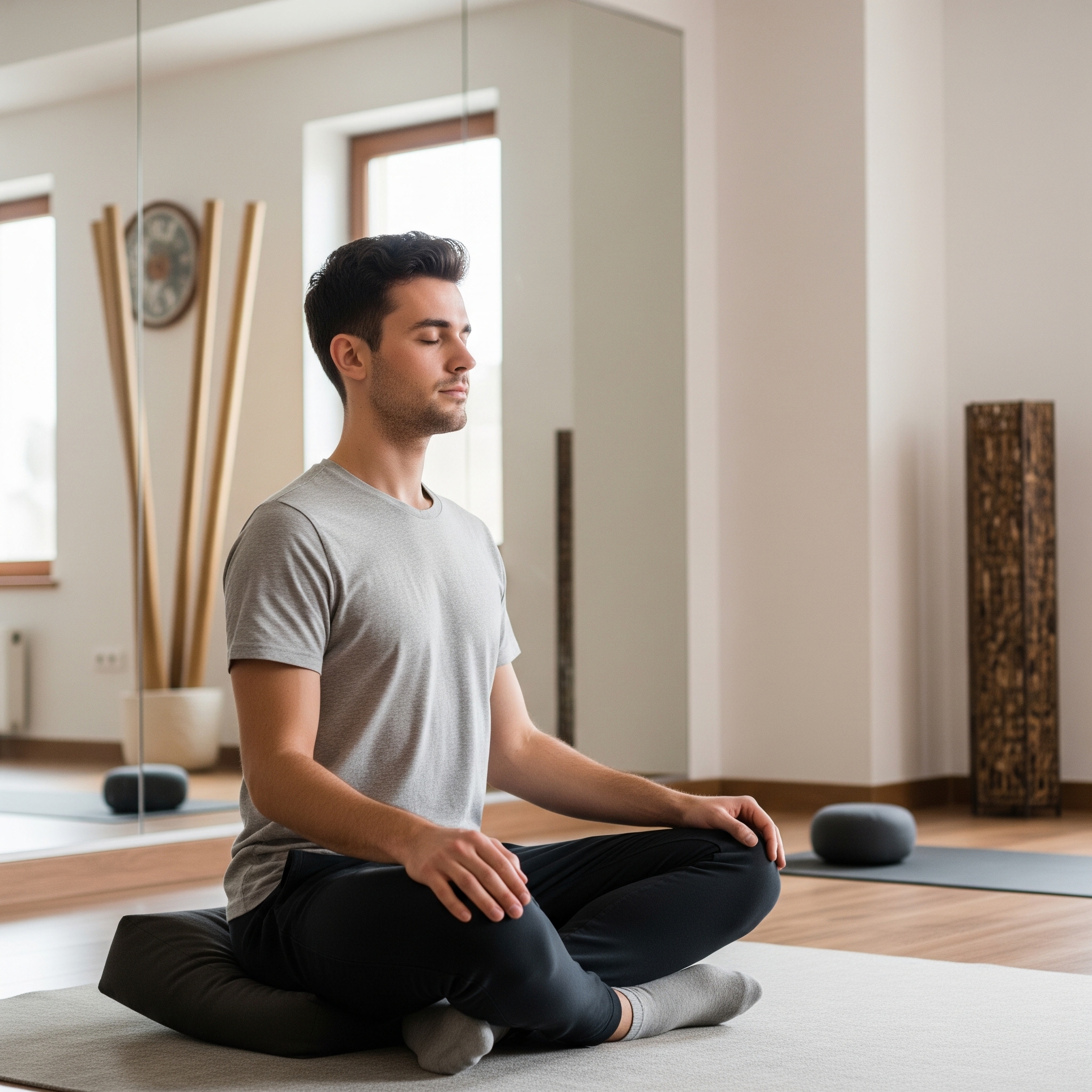
For years, self-care was perceived as an individual, even egocentric, act: a beauty routine, an afternoon of relaxation, a wellness practice to disconnect from the world. However, in the current context—marked by climate change, social activism, and a growing collective awareness—self-care has taken on a new meaning. Today, every choice we make regarding our physical, emotional, and mental health has an impact that extends far beyond ourselves.
In this new paradigm, self-care becomes a powerful form of personal activism. It's not just about feeling good, but about making conscious choices that contribute to collective well-being and harmony with the planet. At The Dojo, we understand well-being as a process that is experienced from the inside out, and which can also be a political, ethical, and social statement.
Next, we explore how global wellness trends are evolving towards sustainable, responsible, and profoundly transformative self-care practices.
1. Self-care with social awareness: consume less, choose better
The concept of “less is more” is setting the trend in the wellness world. The excessive use of personal care products, overloaded routines, and practices that encourage mindless consumption are being replaced by a more critical and minimalist mindset.
Optar por cosméticos naturales, libres de crueldad animal, de comercio justo y en empaques biodegradables no solo es una tendencia, sino una acción política. Elegir con criterio se convierte en una forma de rechazar sistemas de producción que agotan recursos, explotan comunidades o contaminan el medio ambiente. Así, el autocuidado se convierte en un acto consciente de consumo responsable, que refleja valores y compromiso con causas globales.
2. Regenerative wellness: beyond not harming, there is healing
Traditional sustainability sought to "do no harm." Today, the focus has evolved toward regeneration: giving back to the planet more than we take. This principle has been transferred to wellness, giving rise to practices that are not only impact-neutral but actively positive for the environment.
This is evident in practices such as forest bathing, therapeutic urban gardens, outdoor yoga, sound baths with organic materials, and community wellness projects that integrate nature as an active agent in the process. Each of these experiences allows people to reconnect with the natural world from a place of respect, gratitude, and mutual healing.
3. Ancestral rituals and living cultures: respect, not appropriation
In recent years, ancestral therapies such as Ayurvedic medicine, temazcal sweat lodges, energy cleansings, and plant ceremonies have gained popularity in the wellness world. However, the current trend demands going beyond the aesthetic or superficial use of these practices.
Sustainable self-care involves honoring ancestral wisdom ethically, with respect for Indigenous communities, without cultural appropriation. It entails learning from the roots, supporting the guardians of this knowledge, and recognizing that well-being is not only about taking, but also about giving back. In this sense, personal activism involves adopting these practices with social responsibility.
4. Emotional self-care: mental health as a political priority
Taking care of our mental health is no longer a luxury; it's an urgent necessity. Burnout, anxiety, depression, and social withdrawal are collective symptoms of a system that prioritizes productivity over human well-being. Recognizing these symptoms and acting accordingly is, today, a radical step.
Seeking therapy, meditating, setting digital boundaries, taking breaks, and speaking openly about emotional distress are ways to resist a culture that minimizes rest. In fact, many contemporary wellness movements are integrating somatic psychology, mindfulness, and compassion as pillars of self-care, understanding that an emotionally healthy individual actively contributes to the well-being of their community.
5. Movement with purpose: training from awareness and inclusion
The way we move is also changing. Trends in physical wellness are shifting from extreme and aesthetically driven workouts toward more mindful, inclusive, and sustainable practices. Movement is no longer understood solely as a tool for "looking good," but as a way to inhabit the body, release tension, and cultivate presence.
Disciplines such as inclusive yoga, somatic movement, tai chi, and even mindful functional training invite us to connect with our bodies in a gentle way, without judgment or demands. Furthermore, spaces like El Dojo are promoting stereotype-free environments where all body types are welcome and respected, regardless of age, gender, or physical condition.
6. Activism from everyday life: transforming habits, not just discourse
Self-care as personal activism also involves examining daily habits: how we eat, how we sleep, what kind of relationships we cultivate, and how much time we dedicate to rest in our schedules. Sustainable well-being isn't achieved solely through major changes, but through consistent, small-scale decisions.
Small acts such as choosing non-polluting transport, disconnecting from social networks to take care of mental health, supporting local brands, preparing homemade food or dedicating five minutes to deep breathing, are concrete ways to transform routine into an act of resistance against systems that exhaust us physically and emotionally.
Sustainable self-care is not a passing trend. It's a profound transformation in how we understand well-being: as a collective, interconnected process with social, environmental, and political implications. It's no longer enough to simply feel good; now it's about being well without harming others, about caring for ourselves without neglecting them, about living in accordance with our values.
At El DOJO, we believe that every self-care decision is an opportunity to engage in quiet yet powerful activism. By choosing practices that respect the environment, honor diversity, and promote mindful rest, we are building a new kind of well-being: more ethical, more human, and more sustainable.
Because taking care of yourself is also taking care of the world. And that, without a doubt, is one of the most honest ways to do activism today.
Related articles
See more
Sustainable trends: well-being for the body and the planet

How boutique gyms are evolving around the world
Intentional training: the return of the essentials