Strength and flexibility: the duo that transforms your performance
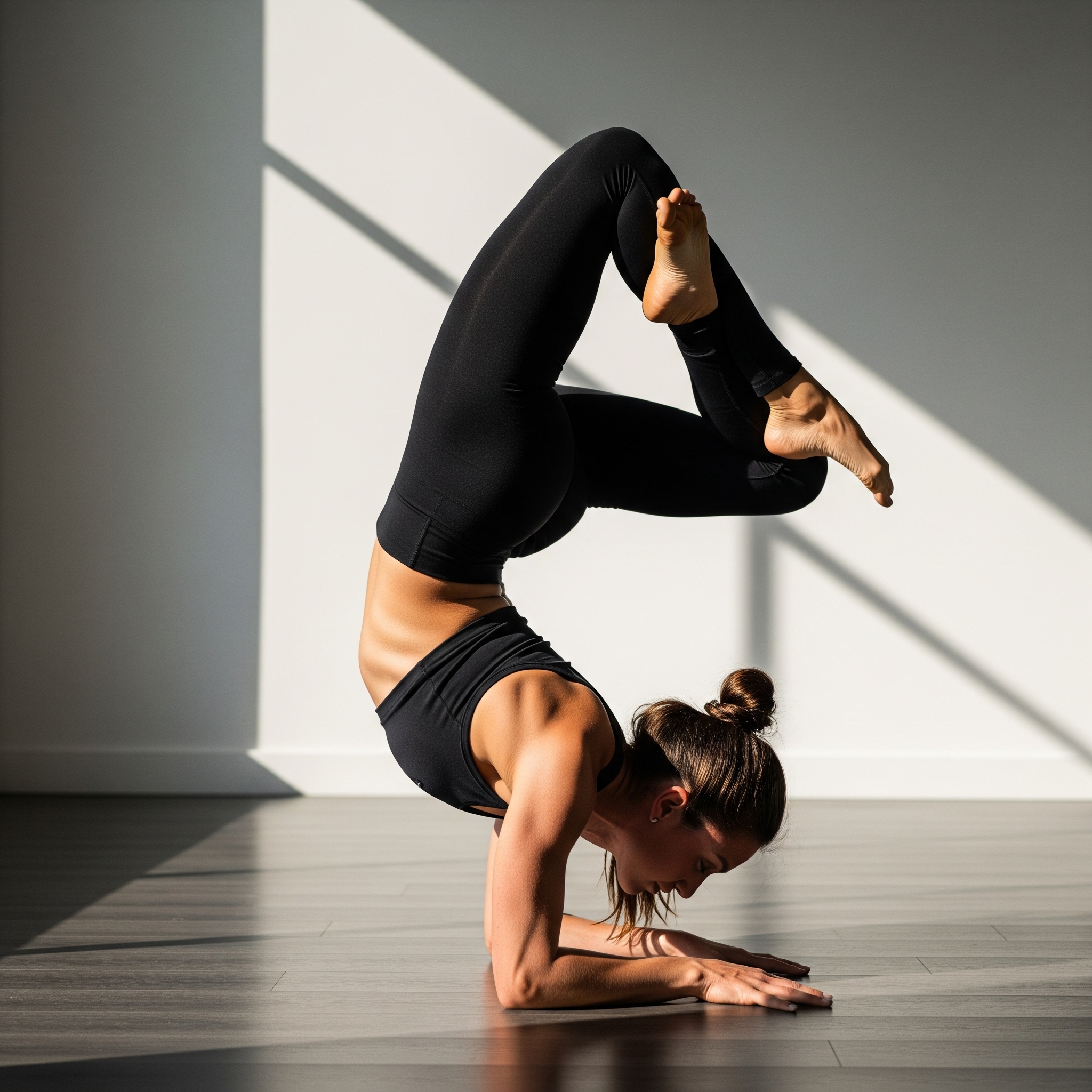
In the traditional understanding of physical training, strength and flexibility seem to belong to opposite worlds. One evokes weightlifting, muscle tension, and discipline. The other, elongation, softness, and fluidity. For a long time, they were even believed to be incompatible: that gaining strength "shortened" the muscles, and that being very flexible made you weaker.
But modern evidence and practical experience show us something different.Strength and flexibility can not only coexist, but they also enhance each other.They are like two sides of the same coin: strong muscles without mobility are limited; flexible muscles without strength are unstable.
At The DOJO we work with a clear premise:It's not about choosing between strength or flexibility, but about intelligently integrating them to achieve a functional, agile, and resilient body.We will explore how and why combining these two qualities transforms your performance, prevents injuries, and improves your relationship with movement.
Debunking myths: Are strength and flexibility opposites?
Let's start by clarifying some concepts.
- ForceIt is the capacity of the neuromuscular system to generate tension and move a load. It can manifest itself in many ways: maximum strength, explosive strength, endurance, relative strength, etc.
- FlexibilityIn simple terms, it's the ability of a joint to move through a wide range of motion. Technically, it's more closely related to the concept ofactive mobilitywhich implies not only reaching a position, but controlling it.
For years, it was thought that building strength made you "stiff" or that overstretching reduced your power. But the science of training has evolved: today we know thatActive flexibility is also trained with strength, and strength is most effective when applied over a wide range of motion..
In fact, disciplines such as gymnastics, functional training, martial arts, and contemporary movement integrate both components from their foundation.
Why train for strength without neglecting flexibility?
1. Injury prevention
One of the most common factors in injuries is a lack of control during extreme ranges of motion. If you have the strength to lift 100 kilos, but you can't squat down with control to touch the floor, you're creating a dissociation between your strength capacity and your mobility.
Flexibility allows you to access safe positions. Strength within those ranges protects you. Together,They create joint and muscle resilienceespecially in areas such as shoulders, hips, spine and ankles.
2. Improved athletic performance
Having a greater range of motion under control improves technique, efficiency, and power in athletic movements. A wrestler who can freely rotate their hips, or someone who can perform a deep squat without collapsing, is better prepared to generate force from a variety of positions.
Furthermore, flexible musculature generatesless internal frictionin movement, which translates into less energy expenditure and greater fluidity.
3. Transfer to everyday movement
Beyond sports, the strength-flexibility combination improves your daily functionality. From bending down to pick something up from the floor, to holding a posture at work, or moving with agility without injury,Your body needs to be strong in motion, not just in static positions..
We age not only by losing strength, but also by losing range of motion. Integrating flexibility into your training is an investment in longevity.
How they complement each other: practical examples
1. Deep squat
- Required flexibility:ankle, hip and spine mobility.
- Required force:quadriceps, glutes, core.
Training it solely through strength limits the range of motion. Training it solely through flexibility can be unstable. ButDeveloping strength throughout the full range of a deep squat is one of the best examples of this synergy..
2. Pike or active hip flexion
- Flexibility in hamstrings + strength of the psoas and core.
- Ideal for improving transitions, controlling the pelvis, and protecting the lower spine.
Passive stretching isn't enough. Real change happens when you train strength in the end range of motion: that's what allows you to use that flexibility with control.
3. Puente (bridge o backbend)
- Thoracic, shoulder and hip flexibility.
- Strength of back, glutes and posterior chain.
A bridge is not achieved solely through elongation:It is a complete exercise that demands integration of strength and mobility.
How to train strength and flexibility without endless sessions?
It's not about adding endless stretching at the end of your workout. The key is inintegrate active mobility and range of motion work into the strength session itself.Some strategies:
- Warm-up with active mobility:Prepare your joints with controlled movements (CARs, dynamic stretches, motor control).
- Training that includes wide ranges:deep squats, long lunges, shoulder press with good scapular rotation, etc.
- Hybrid exercises:such as the Jefferson Curl, the cossack squat, or active hangs, which work strength in elongated ranges.
- Specific blocks of active flexibility:15-20 minutes, 2 or 3 times a week, focusing on key areas such as hips, spine and shoulders.
- Use of tempo and control:Working with eccentric (slow descent) times and pauses at the end of the range generates strength adaptations in extended positions.
What type of strength to develop?
Strength has many manifestations. At The Dojo, we prioritizefunctional and adaptable strengthThe kind of strength you can use in your life and in different disciplines. To achieve this, working on strength through a wide range of motion with control is key.
Lifting more weight isn't enough. You have to be able toapply force within the range your body needs to move freely and safely.That's where it comes together with flexibility.
Strength and flexibility are not opposites: they are allies. Together,They boost your performance, protect your joints, and prepare you to move freely and with control throughout your life..
Strength training without mobility is like building a solid structure on rigid foundations. Flexibility training without strength is like having a flexible but unstable building. True transformation happens when the body is strong throughout its entire range of motion, when every joint can move with power and precision.
At The Dojo, we don't just train muscles: we train abilities that translate into intelligent, adaptable, and sustainable movement. Because what we're looking for isn't just to be stronger or more flexible:It's about moving better, more consciously, and for longer periods of time..
Strength and flexibility aren't just a trend; they're essential for anyone who wants to train with purpose and for longevity. Are you ready to integrate them into your practice?
Related articles
See more
Exercise and the menstrual cycle: how to move in each phase

Mobility, stability and control: the keys to a long-lived body
Community training: the power of moving with others