Cold therapy, breathwork, and other booming practices
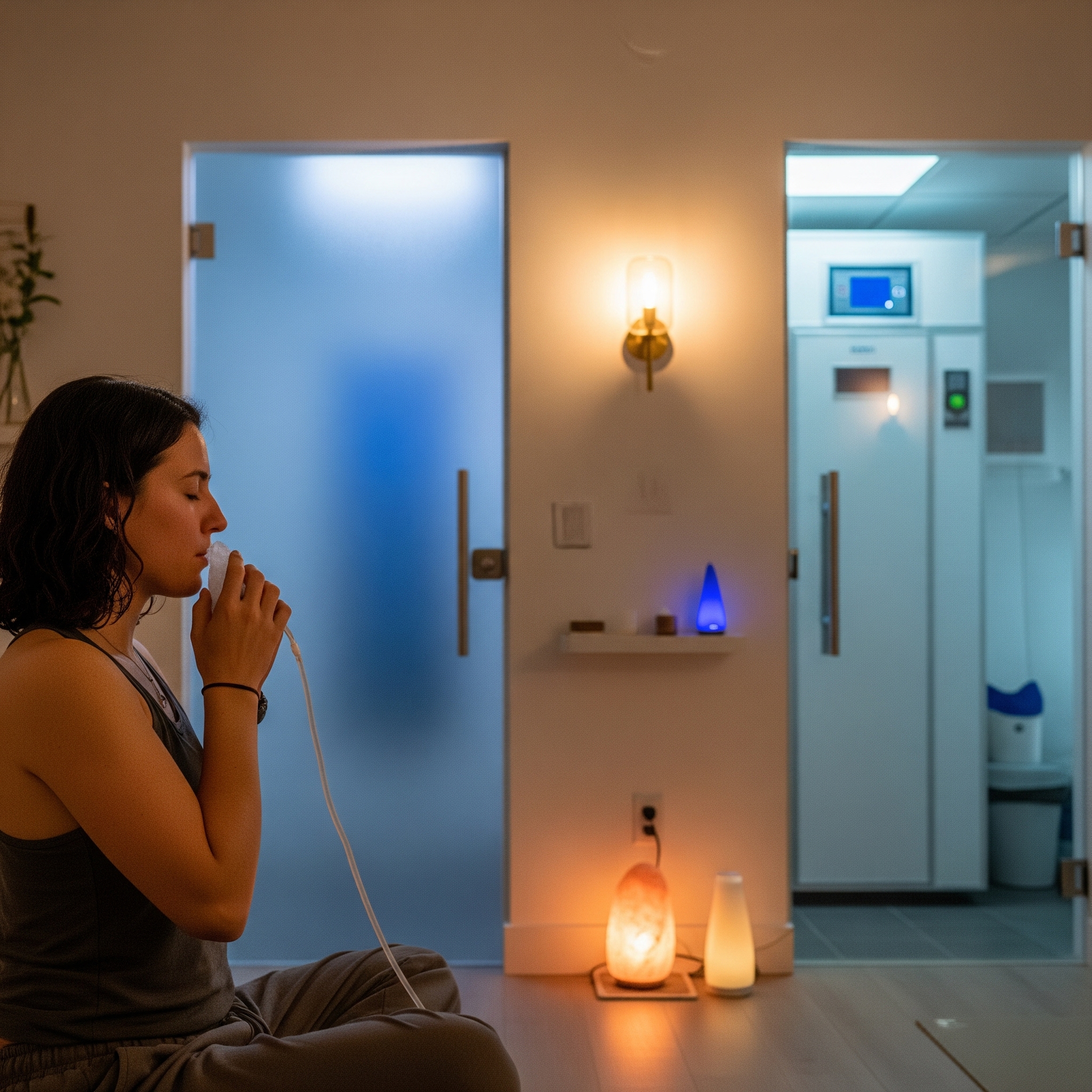
The well-being of the future is based on ancestral wisdom and contemporary science.
In a time when chronic stress, disconnection from one's body, and digital information overload seem to be the norm, more and more people around the world are seeking new ways to reconnect with their physical, emotional, and mental health. But the curious thing is that these "new ways" aren't actually so new. Many of the wellness practices that are currently trending globally have their roots in ancient traditions, now validated by modern science.
Among these, cold therapy, breathwork, and other methods that activate natural physiological mechanisms to induce states of balance, focus, resilience, and overall well-being stand out. This return to the essential—through simple yet profoundly transformative techniques—is positioning itself as a structural shift in the contemporary approach to wellness.
In this article we explore these booming practices, why they are capturing the attention of athletes, executives, biohackers and wellness seekers around the world, and how they are shaping a new vision of self-care that is more conscious, accessible and sustainable.
1. Cold Therapy: the power of cold to strengthen body and mind
Controlled exposure to cold is nothing new. From Nordic cultures to traditional Japanese medicine, ice baths and barefoot walks in the snow have been used for centuries as methods to strengthen the body and temper the spirit. However, in recent years, cold therapy has gained traction globally thanks to scientific evidence supporting its numerous benefits.
What does it consist of?
Modern cold therapy can take various forms: cold showers, immersion in ice baths, cryotherapy chambers, or gradual exposure to low temperatures outdoors. These practices are applied under precise protocols and with professional guidance, especially when the goal is therapeutic or athletic use.
Science-backed benefits:
- It improves circulation and oxygenation.
- It reduces muscle inflammation and accelerates post-workout recovery.
- It activates the parasympathetic nervous system, promoting calmness.
- It stimulates the production of dopamine and noradrenaline, elevating mood.
- Strengthen mental resilience by training stress tolerance.
The popularization of this technique has been driven by figures such as Wim Hof, known as "The Iceman", but also by high-performance athletes, yoga practitioners and people looking for ways to reconnect with their physiological adaptation capacity.
Beyond the physical impact, contact with the cold has become a powerful tool for self-knowledge and focus: it's impossible to be distracted when your body comes into contact with ice. The mind quiets down. The body speaks. And the present moment emerges.
2. Breathwork: Breathe to regulate, release and expand
Breathing is the most accessible and underestimated vital function of the human body. We breathe more than 20,000 times a day, and yet we almost always do it automatically. Breathwork proposes to reframe this automatic action into a conscious and transformative practice.
What is breathwork?
These are structured breathing techniques with different objectives: from relaxation and emotional regulation to trauma release, expansion of consciousness or improvement of physical performance.
Popular types of breathwork:
- Box breathing: technique used by athletes and military personnel to control stress (inhale – hold – exhale – hold, in equal times).
- Holotropic respiration: therapeutic approach to access expanded states of consciousness.
- Conscious connected breathing: without pauses between inhalation and exhalation, to release emotional blockages.
- Wim Hof breathing: hyperventilatory cycles followed by apnea, used before exposure to cold.
Main benefits:
- It regulates the autonomic nervous system.
- It reduces cortisol levels and anxiety.
- It increases cellular oxygenation.
- It improves lung capacity and athletic performance.
- It promotes states of calm or alertness, depending on the objective.
Interest in breathwork has grown exponentially due to its ability to generate profound effects without the need for special equipment or conditions. All that's needed is time, proper guidance, and the willingness to turn inward. In spaces like El Dojo, breathwork is integrated as a fundamental part of any mindful wellness practice.
3. Other emerging practices in the wellness ecosystem
In addition to cold therapy and breathwork, there are other techniques that are gaining global visibility for their sustainable effects and integrative approach:
a. Grounding or earthing
It involves walking barefoot on earth, grass, or sand to reconnect with the planet's natural electrical charge. Preliminary studies suggest it may help reduce inflammation, improve sleep, and balance circadian rhythms.
b. Sauna + alternating cold
The cyclical use of intense heat followed by exposure to cold (as in Scandinavian rituals) activates circulation, improves cellular detoxification, and strengthens the immune system.
c. Red light therapy
Exposure to red or near-infrared LED lights stimulates cellular energy (ATP) production and promotes muscle recovery, skin health, and hormonal balance.
d. Silence and practices of stillness
In contrast to overstimulation, many people are exploring spaces of silence as self-care tools: passive meditations, urban retreats, silent walks, or simply mindful practices of doing nothing.
These trends have something in common: they all point to a return to the body, to sensation, to natural rhythm, moving away from the overconsumption of technology, supplements, or overly structured routines. They are practices that demand little from the environment, but a great deal from personal commitment.
The well-being of the future isn't a single model, a to-do list, or gadgets. It's a return to the essentials. It's reconnecting with our breath, with the cold, with the earth, with our inner rhythm. It's choosing practices that not only make us look good, but also make us feel alive, mindful, and sustainable in the long run.
At El Dojo, we believe that training is not just about moving the body: it's about inhabiting it with presence, strengthening it with wisdom, and nourishing it with awareness. That's why we incorporate practices like breathwork and progressive cold exposure into guided, accessible, and safe experiences for those who wish to explore new dimensions of well-being.
These emerging trends aren't fads. They're signs of a collective need: less artifice, more intention. Less disconnection, more connection. Less automatism, more breath.
If you're looking for new ways to care for your body, expand your mind, and boost your vitality without relying on complex technologies or empty promises, now's the time to try the simple. The profound. The human. Because what's essential never goes out of style.
Related articles
See more
Sustainable trends: well-being for the body and the planet

Self-care as a form of personal activism
How boutique gyms are evolving around the world