What is the DOJO method and why does it work?
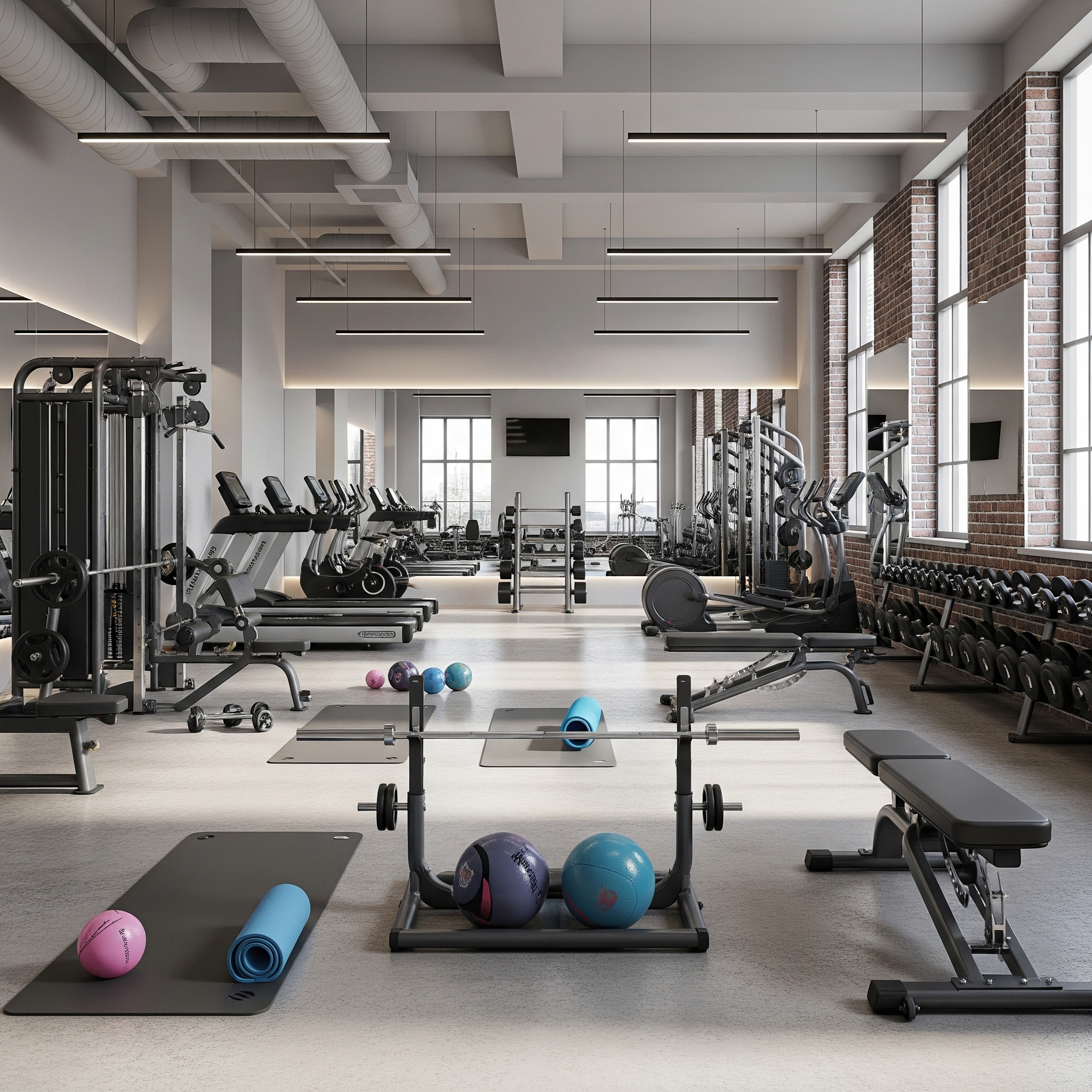
In a world saturated with training methods, 30-day challenges, extreme diets, and quick fixes, the DOJO method emerges as a conscious, holistic, and transformative alternative. More than just an exercise routine, it's a philosophy of life. DOJO, which in Japanese means "the place of the path," invites us to understand well-being as a process that connects body, mind, and purpose. In this article, we'll explore the pillars of the DOJO method, why it's revolutionizing the way we train and care for ourselves, and what elements make it truly effective.
1. A method with philosophical roots and a modern approach
The DOJO is born from the fusion of Eastern philosophies, especially Japanese martial arts, and contemporary principles of functional training, neuroscience, mindfulness, and habit design. In traditional dojos, training was not just a physical matter, but a path of personal evolution. This same essence adapts to current contexts, where well-being requires a balance between discipline, intention, and sustainability.
2. The pillars of the DOJO method
- Discipline with awareness:The DOJO does not seek immediate perfection or extreme performance. Instead, it promotes consistency, coherence, and mindfulness of every movement.
- Intention:It's not just about "burning calories," but about understanding why and what we train for. Each session has a specific purpose: to activate, restore, release tension, or strengthen.
- Presence:Dojo training involves being present, connecting with breath, posture, movement, and bodily sensations. This helps prevent injuries and maximizes benefits.
- Actual progression:Everyone has their own pace. The DOJO prioritizes steady progress over momentary intensity. That's why it's an inclusive, adaptable, and safe method.
- Community:At DOJO, the sense of community is key. Training in a group, even if the journey is personal, enhances motivation, belonging, and commitment.
3. The structure of a DOJO session
Each workout is designed with intention and structure, respecting the principles of mobility, stability, strength, energy, and recovery. Classes may focus on:
- DOJO Flow:conscious mobility and breathing.
- DOJO Power:functional strength with a technical focus.
- DOJO Sweat:Intentional cardio without excesses.
- DOJO Restore:active recovery, stretching and regulation of the nervous system.
Through these sessions, students not only improve their physical condition, but also develop a healthier relationship with themselves.
4. Benefits that go beyond training
The DOJO method works because it transforms from the inside out. Among its main benefits are:
- Greater body awareness.
- Improvement in emotional regulation skills.
- Stress and anxiety reduction.
- Increased sustained energy.
- Greater commitment to self-care.
This comprehensive approach also improves habits outside the gym: nutrition, rest, time management, and interpersonal relationships.
5. The Neuroscience of Habit DOJO
One of the most powerful pillars of the method is its foundation in behavioral science. We know that personal transformation doesn't happen through sporadic motivation, but through meaningful repetition. The DOJO creates sustainable routines through:
- Intrinsic rewards (post-workout feeling of well-being).
- Support community.
- Clear stimuli and training with micro-challenges.
Thus, the change becomes natural, progressive, and lasting.
6. DOJO as a lifestyle
Beyond the classes, the DOJO proposes a way of inhabiting the body and life. It involves making choices aligned with well-being, living intentionally, moving freely, breathing consciously, and caring for oneself without rigidity. It's a return to the essential.
The DOJO method is not a passing trend, but a response to the real need to reconnect with our bodies, calm our minds, and live with purpose. Its effectiveness lies in its balance: it combines the science of training with ancestral wisdom; discipline with flexibility; effort with enjoyment. At DOJO, each session is an opportunity to cultivate not only physical strength, but also mental clarity and a sense of purpose. Because, ultimately, training is a way of life.
#TheWayIsTheWay
Related articles
See more
Exercise and the menstrual cycle: how to move in each phase

Mobility, stability and control: the keys to a long-lived body

Community training: the power of moving with others