Minimalist wellness: do less, feel more

We live in an era where wellness has become a multi-billion dollar industry. Apps, smart devices, supplements, morning routines timed down to the second... It would seem that the path to a fulfilling life demands a packed schedule. But amidst this noise, a countercultural movement is emerging: thewellness minimalistaA simple yet powerful proposal that invites us to stop, reduce the noise, and return to what is essential.
Far from being a passing fad, minimalist wellness is establishing itself as a contemporary necessity. It's not about giving up on self-care, but about redefining it: less intervention, more awareness. At El DOJO, we understand that well-being isn't always about adding, but often about subtracting. That's why we explore this philosophy with a critical, profound, and practical eye.
What is minimalist wellness?
Minimalist wellness is an approach to well-being based on the premise thatLess is moreInstead of seeking external solutions or accumulating practices, this philosophy proposesrefine, simplify and deepenin those that truly make a difference.
It does not mean ignoring self-care or falling into disinterest, but rather adopting practices that align with the essentials: rest, conscious movement, breathing, intuitive eating, and connection with oneself and others.
It's also a form of resistance against information overload and the commodification of well-being. It reminds us that we don't need apps to breathe, supplements to be present, or necessarily a gym with a 4K screen to feel in our bodies.
The pillars of minimalist wellness
- Consciousness instead of quantity
Minimalist wellness prioritizes the quality of presence over the quantity of activities. What good is having a routine of meditation, journaling, yoga, reading, and visualization if it's done hastily, without real awareness?
The key is into be truly presentin every practice, even if it only lasts five minutes. - Essential and functional movement
Instead of seeking high-intensity workouts every day, a more sustainable approach is proposed: walking, moving the body, exploring joint range of motion, connecting with balance and breath. Activities such as yoga, mindful functional training, or even free dance fit perfectly into this philosophy. - Digital and mental detox
Part of minimalist wellness is reducing mental noise, and that inevitably involves limiting screen time. Creating spaces and times free from technology, even if it's just half an hour a day, allows the mind to rest and recharge.
It is also aboutfilter the informationHow much of the content we consume about well-being actually nourishes us? - Simplify nutrition
Far from strict diets or extreme trends, this philosophy is based on returning to the basics: real food, not ultra-processed, prepared with care. Listening to your body, eating when you're hungry, stopping when you're satisfied. It's not about counting calories, but aboutcultivate a serene relationship with food. - Rituals, not rigid routines
Instead of following a daily checklist, minimalist wellness proposes integratingsignificant ritualsthat adapt to the stage of life, energy level, and emotional state of each day. This helps reduce the anxiety of "doing everything perfectly" and allows you to focus on what truly adds value. - Sleeping well as a central focus
Rest is one of the most underrated pillars of well-being. In this approach, it's not seen as a luxury, but as an active self-care practice. Sleeping well—and enough—becomes a priority, not a consequence of exhaustion.
Why minimalist wellness is gaining ground
The rise of this trend is no accident. There are several reasons why more and more people are returning to the essentials:
- Hyperproductivity fatigueDoing things for the sake of doing them is tiring, both physically and mentally. Minimalism offers a pause and a chance to refocus.
- SustainabilityMinimalist practices require fewer resources, time, and money. They are accessible and scalable.
- Internal connectionBy reducing external noise, we create space to listen to what we truly need. And that often has nothing to do with products or services.
- AutonomyThis form of wellness returns power to the individual. You don't need intermediaries to take care of yourself: just attention and practice.
How to integrate minimalist wellness into your daily life
- Start by eliminating, not by adding.
Make a list of your current practices and ask yourself: Which ones truly nourish me? Which ones do I do out of obligation, habit, or because it's trendy? The first step is usually to let go. - Redefine your concept of well-being
What does being well mean to you? Not for your tracking app or social media, but in your body, your mind, and your real life. - Choose one essential practice and stick to it
It could be meditating for three minutes when you wake up, stretching for 10 minutes before bed, or going for a walk without music. The important thing is that it's something you do.sustainable and present. - Make silence an ally
Don't fill every moment with stimuli. Leave room for doing nothing, for boredom, for the unexpected. Well-being resides there too. - Cultivate presence in everyday life
You don't need "free time" to practice wellness. Washing your hands, taking a shower, making tea... Everything can become a practice if you're truly present.
Minimalist wellness is not a fad or a renunciation. It's an invitation toreturn to youIt's about clearing the path of what you don't need to reconnect with what truly matters. It's not about doing less out of laziness, but about doing less with intention, depth, and presence.
At El DOJO, we believe that true well-being comes from awareness, not excess. That's why we advocate practices that bring you closer to yourself, that you can sustain over time, and that connect you with what's essential.
Doing less isn't failing. It's choosing. Feeling more isn't a consequence. It's a practice.
Related articles
See more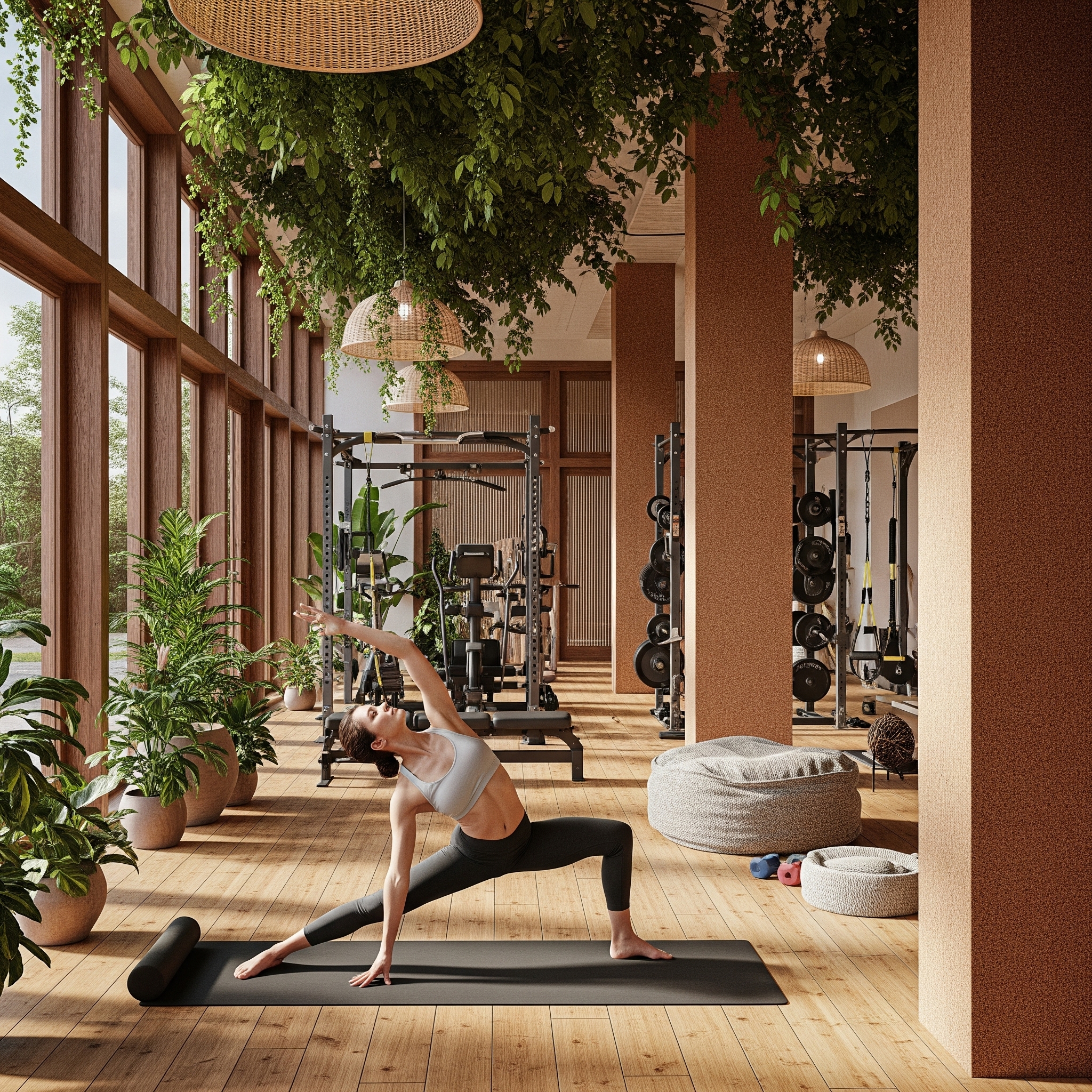
Sustainable trends: well-being for the body and the planet

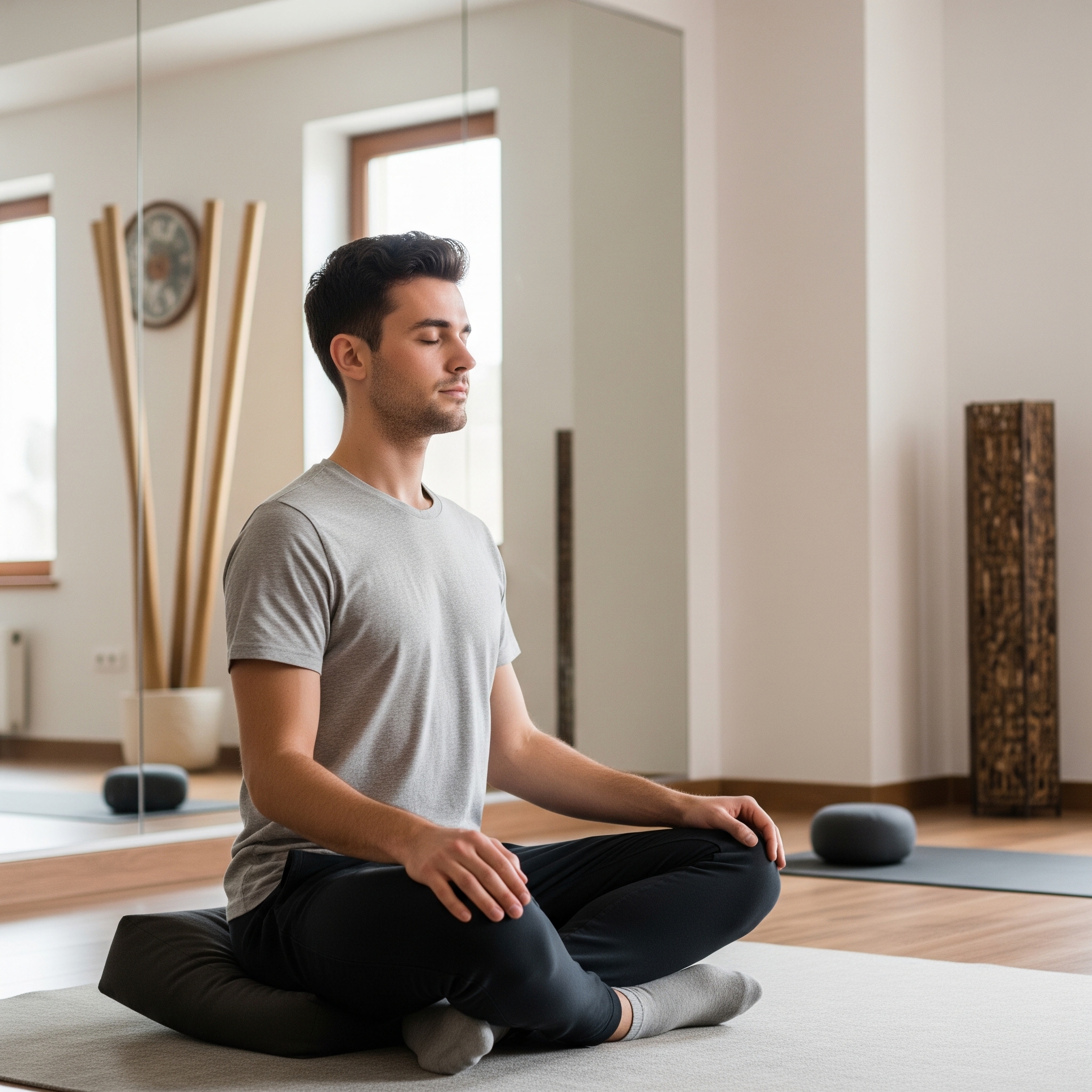
Self-care as a form of personal activism
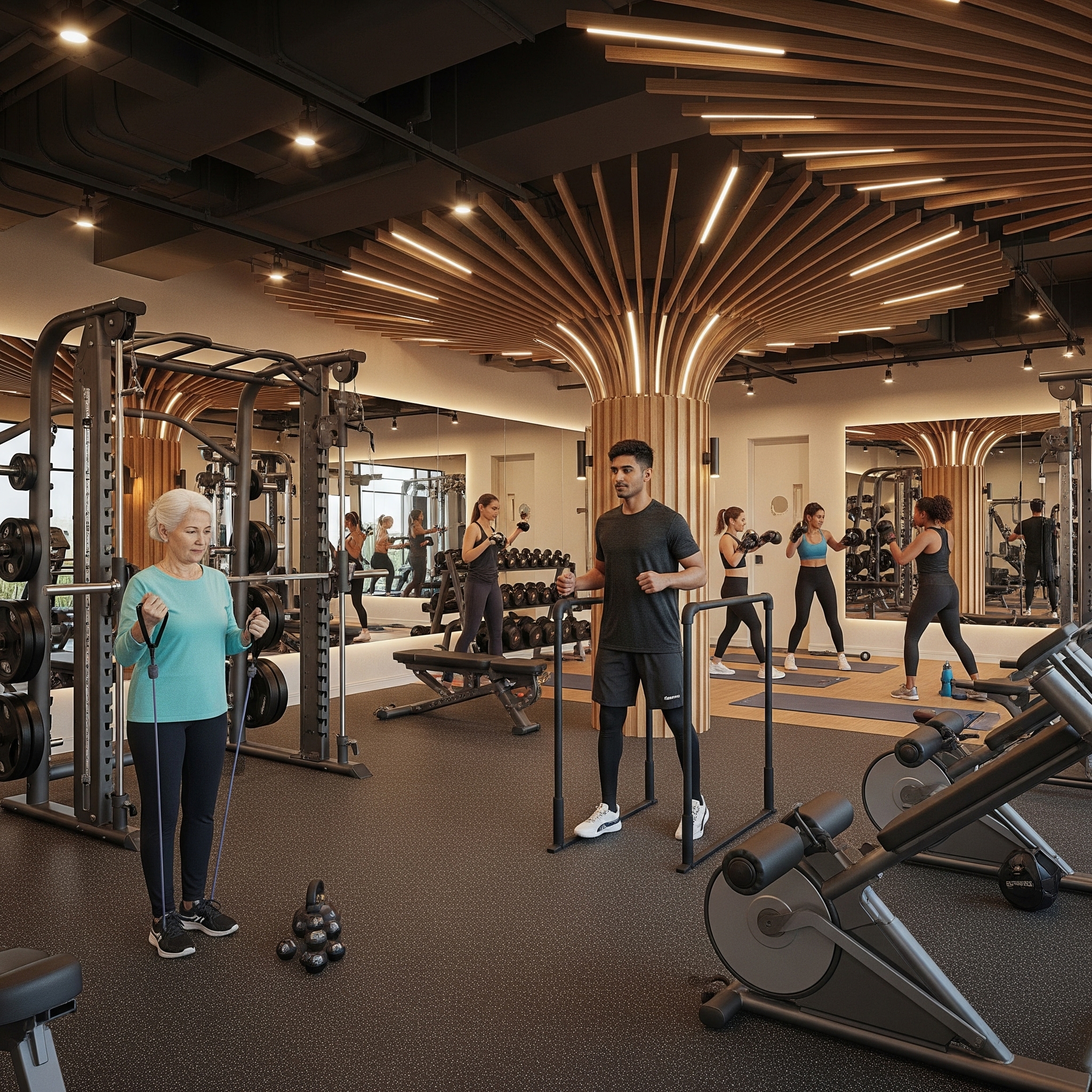
How boutique gyms are evolving around the world