Wellness trends 2025: what's coming and what's worth it?
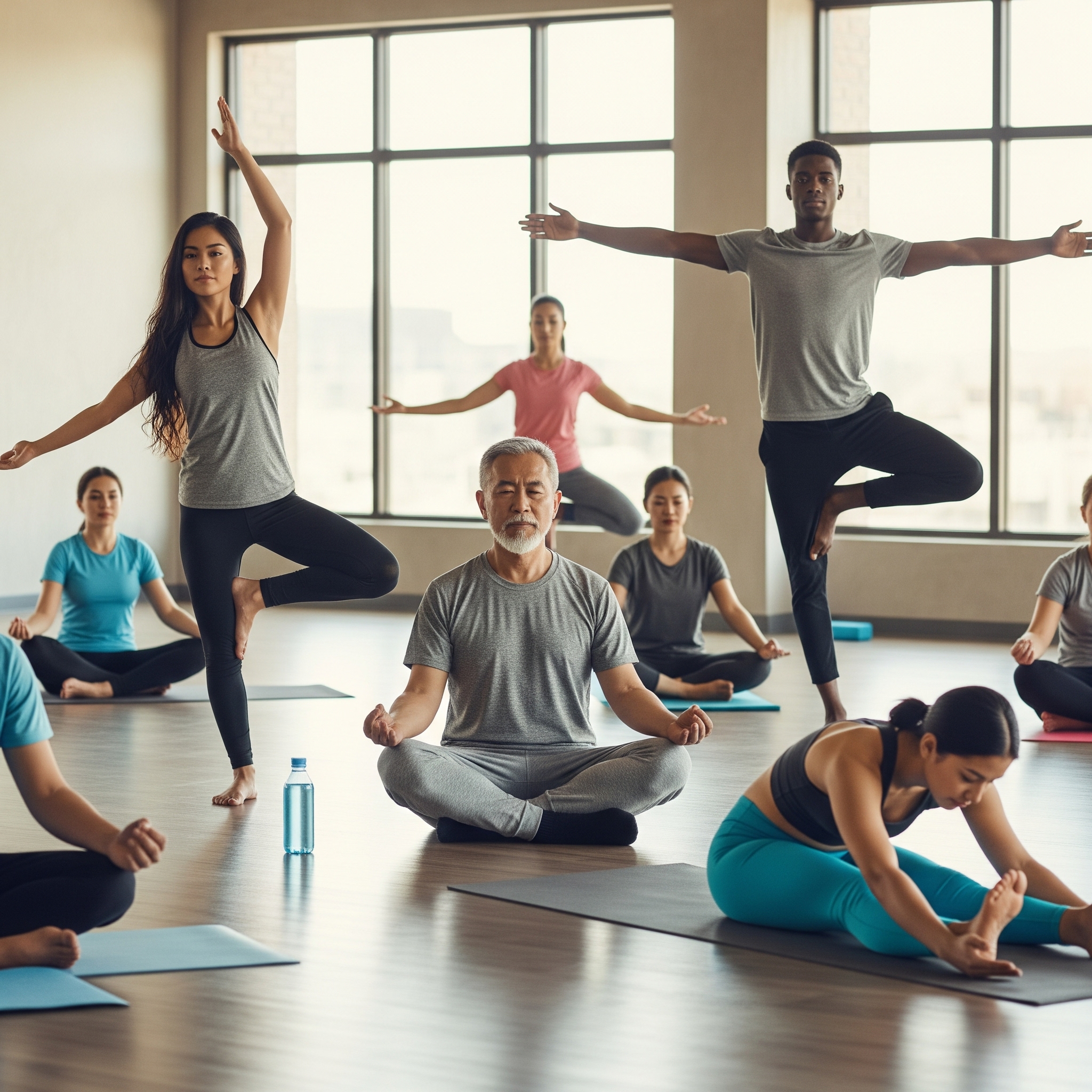
The wellness industry is constantly evolving. Every year, new proposals, technologies, approaches, and promises emerge, all seeking to address a growing need:live betterBut amidst this boom of information and trends, not everything that glitters is gold. Some fads are fleeting, while others truly point to a profound, sustainable transformation with a real impact on our quality of life.
At The Dojo, we believe in wellness with roots: one that is evidence-based, respects the body's wisdom, and adapts to real life. That's why we analyzed the 2025 landscape with one key question:What's coming up and what's really worth integrating into our wellness routine?
We explore the most relevant global wellness trends for this year, with a critical and proactive eye, to help you discern the superficial from the essential, what adds value from what distracts.
1. Somatic Wellness: From “doing” to “feeling”
One of the major shifts in wellness today is the move from performance to deep body awareness. Instead of focusing solely on metrics (steps, calories, productivity), the new wellness emphasizes...subjective experience of the body: how they feel, what they need, how they respond to the environment.
The somatic approach—inspired by disciplines such as yoga, dance therapy, and mindful bodywork—seeks to integrate body, mind, and emotion. This involves:
- Slower, more intuitive, and less linear training.
- Spaces where self-listening is prioritized over execution.
- Appreciation of states such as calmness, rest and pleasure, not just intensity or achievement.
It's worth it ifYou seek to reconnect with your body from a more sensitive, less demanding, and more regulating place.
2. Wellbeing technology: accessible biofeedback
Technology continues to advance, but in 2025 we see a shift: from gadgets that only record data to devices thatThey help regulate the nervous system in real time.We're talking about rings, patches, or apps that offer biofeedback on variables such as:
- Heart rate variability (HRV).
- Respiratory rate.
- Muscle tension or peripheral temperature.
These devices not only provide information, but alsoThey train emotional and physiological self-regulationproviding signals to modify stress, sleep, or energy patterns in the moment.
It's worth it ifYou are a person who enjoys data as a tool for self-knowledge, and you seek to intervene in your well-being with discernment.
Watch out forBecoming dependent on numbers or thinking that the body always needs an interface to function properly. Technology is an aid, not a magic solution.
3. Communities of practice: belonging as medicine
Wellness is no longer just about what you do alone at home or in the gym. People are once again looking for ways to improve their wellness.shared practice spacesnot only because of motivation, but because there is increasing evidence thatSocial connection has a direct effect on physical and mental health.
In 2025, meditation circles, breathing groups, community trainings, and wellness communities that rely on shared values such as respect, listening, and common purpose will grow.
It's worth it ifYou need support, motivation, or an environment that reflects your values. Group practice not only inspires you but can also help you sustain habits long-term.
4. Functional and personalized nutrition
Nutrition remains central to well-being, but it is increasingly moving away from the logic of generic diets. This year, the trend towards more holistic nutrition is deepening:
- Functional: adapted to real needs (energy, rest, focus, digestion).
- Individualized: according to genetics, microbiota, lifestyle and environment.
- Intuitive: focused on self-listening, not restriction.
Practices such as flexible fasting, chronobiology-based eating (related to the circadian rhythm), and conscious supplementation (only when there is evidence of need) are also gaining ground.
It's worth it ifYou are looking for a sustainable diet, without extremes or rigid rules, that suits your real context.
Watch out forNutritional information overload or the unnecessary medicalization of eating. Eating is also about pleasure, culture, and enjoyment.
5. Active rest: quality of recovery
For years, well-being was linked to: training more, working better, being more productive. But in 2025, rest will cease to be an accessory and will become a...active health strategy.
This includes practices such as:
- Short, mindful naps.
- Sleep hygiene routines.
- "Doing nothing" (idling) sessions are increasingly valued.
- Deep relaxation techniques (yoga nidra, diaphragmatic breathing, sound baths).
The focus is on the bodyrecover your natural tone, regulate the autonomic nervous system and restore cognitive, immunological and emotional functions.
It's worth it ifYou feel like you're constantly overloaded and your system needs more rest to perform better.
6. Mindfulness 2.0: Mindful attention with purpose
Meditation is no longer sold as a mystical or exclusive practice, but as a concrete tool fortrain attention, emotional regulation and mental clarityWhat's new for 2025 is:
- Goal-oriented meditations (for focus, rest, decision making).
- Mindfulness in motion: integrating mindfulness into walking, yoga, or even everyday tasks.
- Spaces to "detrain hyperproductivity" and simply be present.
It's worth it ifYou want to cultivate more presence in your daily life, not just to be calm, but to live more consciously.
7. Wellness with a cycle and diversity perspective
Another clear trend in 2025 is that well-being is no longer defined by a single body type, gender, or life stage. The most advanced proposals integrate variables such as:
- The menstrual cycle and its phases.
- The stages of life (perimenopause, andropause, aging).
- Neurodivergence and the sensory impact of practices.
- The needs of non-normative bodies.
This translates into more adaptive, inclusive, and sensitive classes, programs, and training.
It's worth it ifYou felt excluded from standard wellness models and are looking for options where your particular experience can take place.
The wellness world is expanding, and that's good news. It means there are more ways to take care of ourselves, more ways to understand health, and more possibilities to choose what's good for us. But precisely because of this abundance, it's essential to develop discernment:Not everything that's trending is relevant, and not everything that's relevant becomes trending.
At El DOJO, we believe that well-being cannot be measured solely in steps, achievements, or metrics. It is measured in how you feel when you inhabit your body. In how you sleep, how you breathe, how you speak to yourself, and how you relate to your environment. We are committed to a wellness with roots: one that combines the ancestral with the modern, the technical with the human, the personal with the collective.
2025 brings many options. Some will become outdated, others will be groundbreaking. We encourage you to choose wisely. Ask yourself:Does this bring me closer to being more present, more vital, more connected with myself and my environment?If the answer is yes, then it's probably worth it.
Related articles
See more
Sustainable trends: well-being for the body and the planet

Self-care as a form of personal activism
How boutique gyms are evolving around the world