Yoga and physical training: rivals or allies?
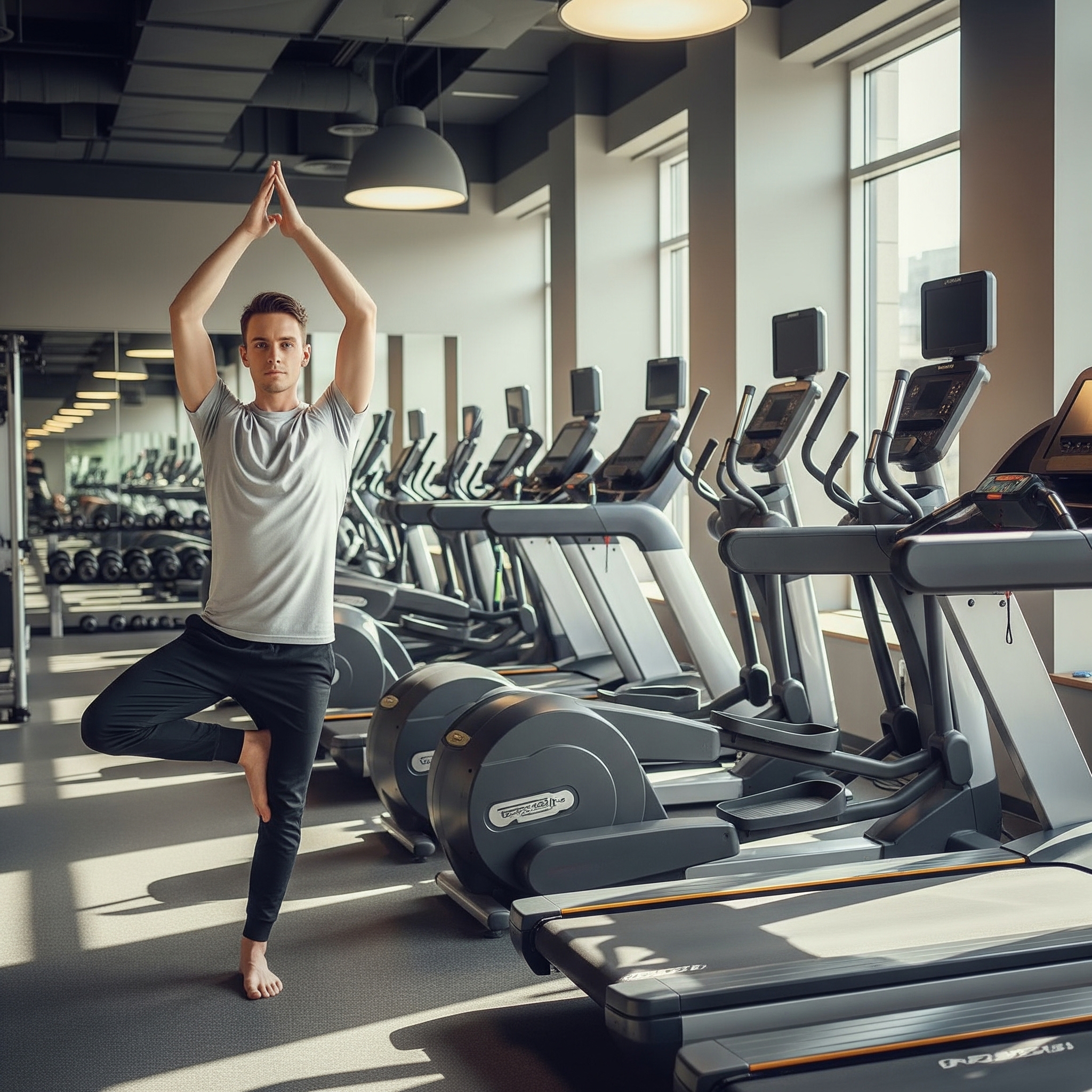
For a long time, yoga and physical training have been perceived as opposing, almost incompatible practices. On the one hand, there's the image of yoga as a gentle, introspective discipline focused on flexibility and breath. On the other, there's traditional physical training—functional, strength, or endurance—associated with performance, intensity, and effort.
This separation, however,It's more cultural than functionalIn real-world practice and in the bodies that move every day, both disciplines can becomplementary, synergistic and deeply enrichingwhen they are integrated intentionally.
At The Dojo, we promote a holistic view of movement. We believe there is no single way to train or absolute truth about which discipline is "best." What matters is how each practice is approached.It adapts to the real needs of the body and mindand how they combine to create a stronger, more conscious, and more resilient organism.
We'll debunk myths, explore the cross-benefits of yoga and physical training, and offer keys to integrating both practices into a single path.
Why are they perceived as opposites?
To understand why yoga and physical training are sometimes seen as “rivals”, we need to review some common prejudices:
- Yoga is just stretching.
- Physical training is just about strength and perspiration.
- Yoga is passive; training is active.
- Yoga is for relaxing; training is for pushing yourself.
These extremes oversimplify what both disciplines actually offer. The reality is that yoga can be extremely physically demanding (depending on the style), and the training can incorporate breathwork, body awareness, and mobility if well-designed.The key is in the approach.
What yoga brings to physical training
Yoga, when practiced correctly, does more than just improve flexibility. Its impact on the body and physical performance goes far beyond simply "loosening" muscles:
1. Active joint mobility
Many yoga poses combine strength with elongation, which stimulates neuromuscular control. Unlike passive stretching, yoga works thefunctional mobilityThis ability to move with stability and control within a wide range of motion prevents injuries and improves the quality of athletic or technical movements.
2. Body awareness
Yoga trains proprioception: knowing what position your body is in without looking at it. This translates intogreater efficiency and precision when moving, key in disciplines such as calisthenics, weightlifting, dance or contact sports.
3. Respiration and nervous system
Learning to breathe consciously during exertion or recovery improves muscle oxygenation, regulates stress, andincreases tolerance to physical discomfortYoga breathing techniques (pranayama) also help to balance the nervous system, which is key to sustaining long-term recovery and performance.
4. Injury prevention and recovery
A well-guided yoga practice acts as abody maintenance systemIt hydrates tissues, improves circulation, and detects accumulated tension before it turns into pain. It can also be a fundamental part of a rehabilitation protocol.
5. Mental stability
Physical training can be demanding not only on the muscles but also on the mind. The practice of yoga offers tools for emotional self-regulation, mindfulness, and focus thatThey improve the quality of practice and the relationship with one's own body.
What physical training brings to yoga
On the other hand, incorporating physical training into a yoga practice can offer significant benefits:
1. Greater structural strength
Many yoga practitioners improve their flexibility but plateau due to a lack of strength, especially in key areas like the core, glutes, back, and mid-back. Functional or strength training helps with this.to uphold positions with integrityto protect joints and enable more demanding progressions.
2. Bone density and metabolic health
While yoga has many neuromuscular benefits, training with body weight or external loads has a proven impact on thebone and hormonal healthespecially in women aged 35-40 and over.
3. Cardiovascular power and capacity
Yoga improves respiratory capacity, but it doesn't always sufficiently stimulate the aerobic or anaerobic systems. Physical training can cover that gap, providing...resistance, power and explosivenessqualities necessary for a functional and long-lived body.
4. Diversity of stimuli
Alternating between yoga and exercise prevents monotony, stimulates different body systems, andIt reduces the risk of overuse or excessive adaptation to a single movement pattern..
How to integrate them intelligently?
It's not about doing "a little bit of everything without structure," but about creating a meaningful synergy. Some recommendations:
1. Define your goals
- Looking for more mobility and body awareness? Dedicate more time to yoga.
- Want to improve your strength or overall physical performance? Prioritize training.
- Are you looking for holistic well-being and a balance between effort and rest? Alternate according to your week or your energy level.
2. Avoid unnecessary overlap
It's not necessary to do a full yoga class after a strenuous workout. Sometimes,10-15 minutes of mindful movement or guided breathing are more effectivethan a complete practice that overloads the body.
3. Listen to your nervous system
The body doesn't distinguish between training and yoga if both are intense. If you're having a high-intensity training week, choose a more restorative style of yoga (Yin, Yoga Nidra, gentle Hatha). If you're feeling lighter, you can incorporate a more dynamic practice (Vinyasa, Ashtanga).
4. Work with professionals who understand both disciplines
A trainer who understands yoga, or a yoga teacher who grasps the principles of physical training, can help you create a more efficient, safe, and sustainable plan. At The Dojo, we promote this holistic approach and train our teams to build bridges, not walls.
The question “yoga or physical training?” doesn't make sense when we understand thatBoth can be powerful allies on the path of conscious movement.It's not about choosing one or the other, but about exploring how each discipline can enrich the other, respecting personal needs, rhythms, and goals.
Incorporating yoga into your physical training doesn't make you less strong, just as weight training doesn't make you less aware. On the contrary:It makes you more complete, more adaptable, more present in your body.Real progress happens when we stop categorizing practices and start combining them with discernment and openness.
At The DOJO we don't train to fit into a mold.We train and practice to move better, live a higher quality life, and reconnect with our physical nature.Yoga and strength, breathing and effort, mobility and stability: it's all part of the same path if you know how to integrate it with intention.
Related articles
See more
Cultivating presence: taking yoga off the mat

How to start yoga if you've never been flexible
Yoga as an emotional practice: letting go, accepting, moving forward