Spirituality without dogma: the new approach to emotional health
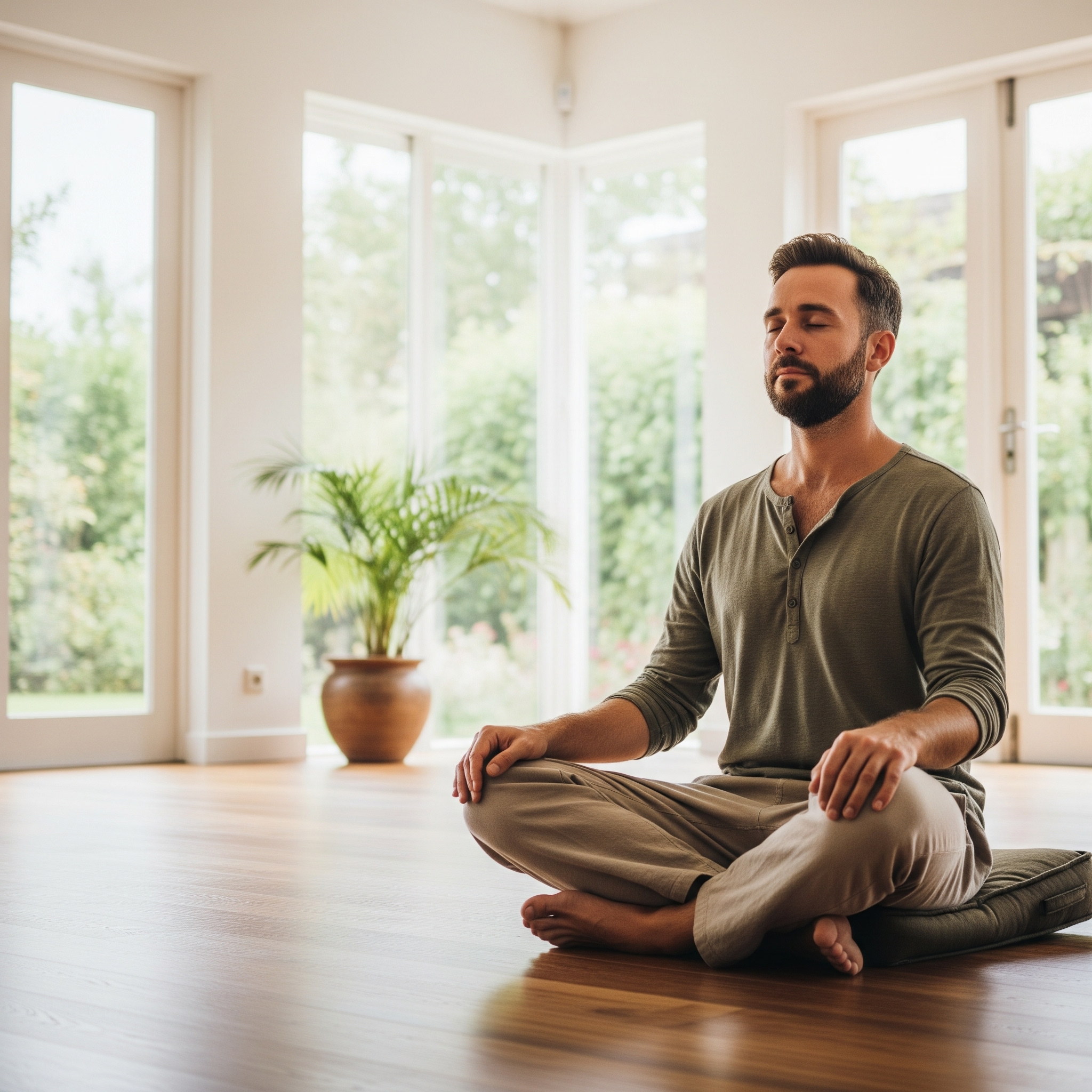
How inner connection becomes a key tool for modern well-being
For decades, spirituality was a concept primarily associated with institutional religions or mystical practices. However, in recent years, we have seen a paradigm shift: today, millions of people seek profoundly meaningful spiritual experiences.without being linked to dogmatic systemsno rigid rules or absolute beliefs.
This phenomenon, increasingly visible in the wellness world, is not a passing fad, but a natural response to the emotional and existential demands of the contemporary world. In an environment marked by digital hyperconnectivity, global uncertainty, and emotional exhaustion, many people feel the need to reconnect with a deeper dimension of themselves. And they are doing so through a personal, conscious, practical, and free spirituality.
From practices such as non-religious meditation, mindful journaling, and self-care rituals, to therapeutic spaces that integrate body, mind, and soul, this new spirituality proposes emotional healthmore comprehensive, accessible and humanized.
In this article, we explore how spirituality is evolving in the global wellness field, what practices are trending, and why cultivating an inner connection—without dogmas or imposed structures—can be one of the most powerful tools for emotional health in the 21st century.
1. What does “spirituality without dogmas” mean?
Spirituality without dogma refers to a form of inner connection, life purpose, or transcendence thatIt does not depend on belonging to a religionor of accepting a pre-established belief system. It is a flexible, inclusive, and personalized spirituality, where what matters is not "what" one believes, buthow to inhabit the inner experience.
This new spirituality focuses on:
- Connecting with oneself and others through awareness.
- The search for meaning and personal purpose.
- Cultivating practices that foster presence, compassion, and gratitude.
- The recognition that emotional health includes dimensions beyond the rational plane.
It is not about rejecting religion, but about opening new forms of connection that are not necessarily mediated by hierarchical structures, absolute moral rules, or external symbols. In this view,Spirituality is lived as an experience, not as a belief..
2. Emerging trends in spirituality and emotional health
Contemporary spirituality is not singular, but diverse and multifaceted. Below, we present some of the practices and approaches that are gaining traction worldwide:
a. Mindfulness secular
Based on Buddhist traditions, but detached from its religious framework, mindfulness has been validated by hundreds of scientific studies as an effective tool for reducing anxiety, improving emotional regulation, and increasing resilience.
In The DojoMindfulness is integrated as an essential practice: it's not just about "meditating," but aboutlearning to be present with what is, without judgment, with acceptance.
b. Conscious self-care rituals
More and more people are redefining their daily routine as a sacred space. From the act of mindfully preparing a cup of tea to writing in a journal upon waking or ending the day with a clear intention, theeveryday rituals become emotional anchors.
The content of the ritual is not important, but rather its ability to connect the individual with their present and their life's purpose.
c. Personalized symbolic ceremonies
Instead of participating in traditional religious rituals, many people are creatingsymbolic ceremonies of their ownto mark important moments: changes of stage, grief, achievements, personal processes.
These experiences, whether alone or in a group, offer emotional support, a sense of belonging, and an opportunity for transformation, without the need for spiritual intermediaries or external rules.
d. Integrative therapeutic spaces
Traditional psychological therapy is evolving to include approaches that recognize the spiritual dimension of human beings. Therapies such as transpersonal therapy, body psychology, and somatic integration consider the search for meaning, existential pain, and connection with the transcendent as legitimate elements of the emotional process.
This opens doors for people to work through their emotional wounds.not only from the mind, but also from the soul.
say. Astrology, tarot and symbolic languages
Although not considered scientific methods, the use of symbolic tools such as astrology, tarot, and Jungian archetypes has grown exponentially, especially among younger generations. Far from being used for prediction, these tools are employed asinterior mirrorsways of narrating one's own story and finding meaning through symbols.
3. Why this trend has a real impact on emotional health
The WHO defines health as a state of complete physical, mental and social well-being.socialHowever, a growing number of experts are proposing to include a fourth dimension:spiritual health, understood as the sense of connection, purpose, and internal coherence.
Several studies have shown that cultivating this spiritual dimension—even if not linked to a religion—can:
- Reduce levels of anxiety and depression.
- Improve coping skills in the face of pain or illness.
- Promote attitudes of compassion, gratitude, and altruism.
- To generate greater subjective well-being and life satisfaction.
- Strengthening the immune system through positive emotional states.
In a world that demands constant productivity, quick answers, and measurable achievements, pausing to feel, reflect, give thanks, or contemplate becomes an act ofemotional resilience and self-care.
4. Spirituality and community: the collective also matters
A key feature of this new spirituality is its communal dimension. Many people are not only seeking an inner connection, but also safe spaces to share experiences, vulnerability, and processes of growth.
Meditation circles, emotional healing workshops, conscious movement experiences, or collective journaling sessions are all expressions of aspirituality experienced from a human, horizontal, and empathetic perspective.
In The DojoWe promote these kinds of spaces: not through top-down instruction, but through supportive guidance. What matters is not transmitting an absolute truth, but facilitating a space where each person can explore their own truth, with respect, openness, and presence.
Spirituality without dogma represents one of the most relevant and transformative movements in the contemporary wellness landscape. It's no longer about following external structures, but aboutreturn to personal centerCultivate presence, build meaning, and care for the soul on its own terms.
This new form of spirituality doesn't demand beliefs, it demands commitment. It doesn't impose rules, it proposes paths. It doesn't seek definitive answers, but authentic questions. And in this space of searching, many people are finding not only well-being, but true emotional health.
In The DojoWe believe that training the body is important, butto inhabit the soul consciously is also thatThat's why our programs focus not only on movement, but also on breath, presence, and cultivating a life of purpose. Because ultimately, the deepest well-being isn't what you see, but what you feel, inhabit, and honor.
Related articles
See more
Sustainable trends: well-being for the body and the planet

Self-care as a form of personal activism
How boutique gyms are evolving around the world