Intentional training: the return of the essentials
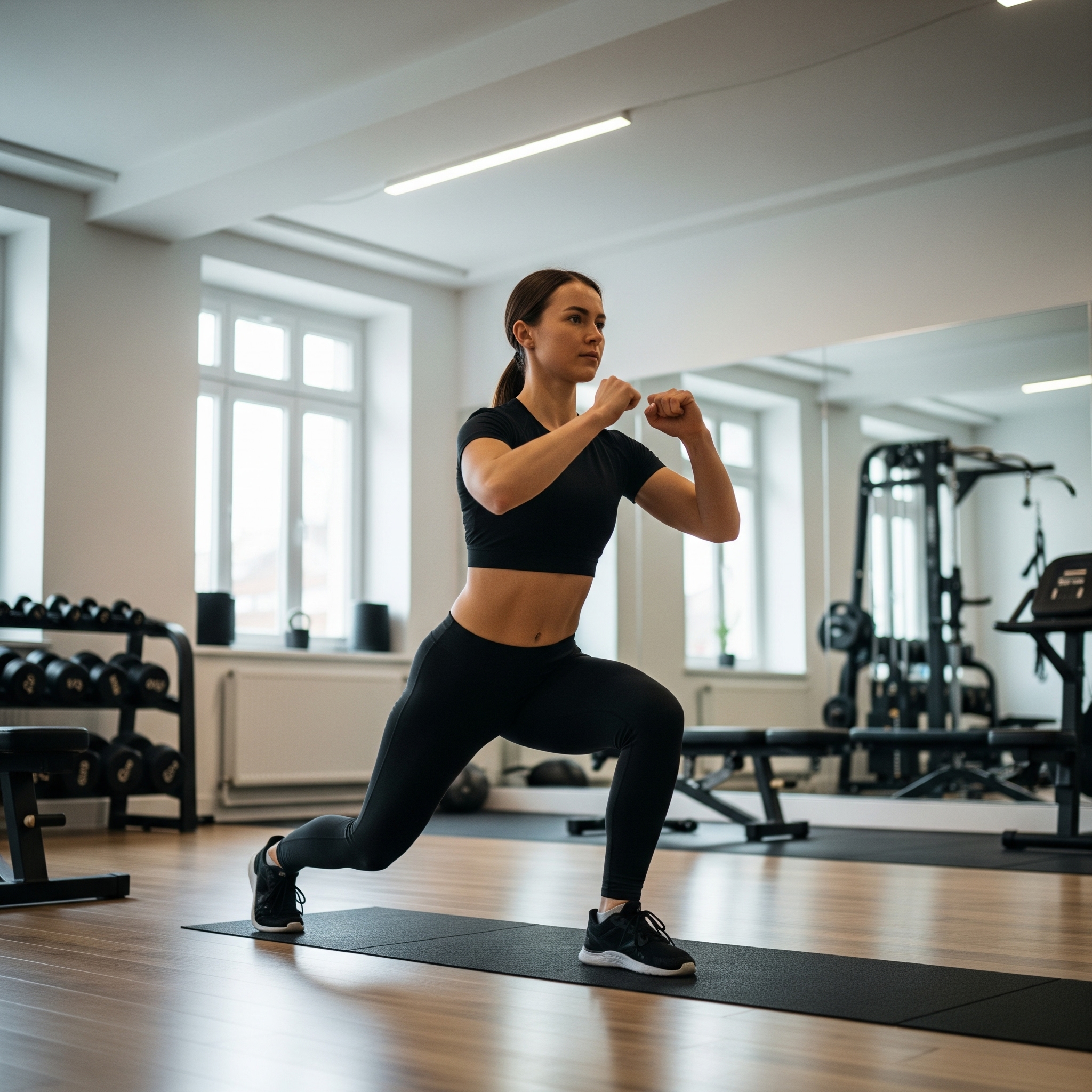
In a world saturated with stimuli, metrics, notifications, and demands, physical training has become, for many people, a race against the clock and their own bodies. For years, a culture of extreme performance was promoted: more repetitions, more speed, more weight, more visible results in less time. However, a paradigm shift is underway. Increasingly, people around the world are rethinking how they relate to exercise.
Instead of striving for physical perfection or competitive performance, the new global trend in wellness proposes something simpler, yet more profound: training with intention. This approach reclaims the value of what is essential, prioritizes quality over quantity, and aligns with a more sustainable vision of the body, well-being, and the environment.
In this article, we explore how intentional training is marking a return to the fundamentals and why it has become one of the most relevant wellness trends worldwide today.
1. From automation to purpose: a necessary shift
Mechanical routines, apps with unbreakable schedules, and smartwatches that dictate how many calories to burn each day have created an increasingly distant relationship with our actual bodily experience. In response, a movement has emerged that promotes reconnecting with the body through mindful exercise.
Training with intention doesn't mean abandoning the discipline, but rather redefining it. It's about asking yourself: Why am I moving? What do I need today? How do my body and mind feel before, during, and after exercise?
This approach transforms each session into a practice of presence. Instead of chasing external standards, it seeks to cultivate physical and emotional health through self-care, active listening, and respect for personal rhythms.
2. The value of simplicity: returning to functionality
Another key feature of this trend is the return to fundamental movements. Instead of complex routines with sophisticated equipment, intentional training prioritizes basic patterns: pushing, pulling, squatting, twisting, walking, carrying, breathing. Movements that reflect the natural way the human body was designed to function.
This approach is not only more accessible and sustainable, but it also reduces the risk of injury and improves body awareness. It also allows each person to train according to their actual abilities, without needing to adapt to high-performance standards that are often unattainable or even harmful.
Boutique gyms, specialized studios, and trainers around the world are redesigning their programs under this logic: fewer machines, more free movement; fewer metrics, more connection; fewer perfect choreographies, more fluidity.
3. Less stimulation, more presence: training as a contemplative practice
In many countries, especially in Europe, Asia, and the United States, intentional training is being integrated into contemplative practices such as yoga, tai chi, breathwork, and active meditation. The goal is for physical movement to also be a tool for emotional regulation, stress reduction, and reconnecting with the present moment.
This hybridization has given rise to emerging formats such as:
- Somatic training: routines focused on body awareness from the inside out.
- Mindful strength: strength exercises performed with conscious breathing and mental focus.
- Flow training: sessions that blend free movement, soft music, and repetitive patterns to induce states of deep concentration.
These practices aim to generate holistic well-being, not just physical. The goal is not to train to have "a better body," but to live with greater clarity, balance, and purpose.
4. Train less, but better: efficiency is also sustainable
One of the most widespread myths in the traditional fitness world is that “more is better.” However, science has shown that excessive training, insufficient rest, or high stress levels can be just as harmful as inactivity.
Intentional training offers a more efficient alternative: shorter, but high-quality sessions; well-planned recovery periods; and days dedicated to mobility, stretching, or simply active rest. This philosophy not only takes care of the body but is also more sustainable for the mind and compatible with modern lifestyles.
Furthermore, it allows for long-term consistency, which is one of the true success factors in any wellness program.
5. Less environmental impact, more ecological awareness
Returning to the essentials also implies a more critical look at the environmental impact of the fitness world. From the production of sportswear to the intensive use of resources in large gyms, traditional training can have a considerable ecological footprint.
In contrast, intentional training promotes more sustainable practices, such as:
- Train outdoors or in spaces without artificial climate control.
- Use biodegradable or recycled materials (mats, blocks, bands).
- Avoid overconsumption of unnecessary supplements or sports marketing products.
- Promote an attitude of respect and gratitude for the environment where training takes place.
This vision broadens the notion of well-being: taking care of ourselves cannot come at the expense of the planet. What is essential is also what is most coherent.
6. Community and connection: less competition, more collaboration
Another key to this trend is the transformation of the sense of community. Instead of promoting competition and comparison, intentional training spaces foster mutual support, sharing of experiences, and collaboration.
Training with others with intention allows for the creation of authentic connections, beyond mere performance. Small groups, collaborative classes, silent sessions, and shared gratitude practices are becoming commonplace in studios around the world.
The result is a community that does not revolve around body image, but around the values that training represents: self-care, presence, consistency, respect and shared well-being.
Intentional training is not a passing fad or an elitist trend. It is a profound response to a contemporary need: to reclaim a sense of what is essential amidst the noise. It is about moving from purpose, not obligation. And it is also an act of sustainability: for the body, the mind, and the planet.
At El Dojo, we firmly believe that training is much more than just moving your body. It's an opportunity to pause, inhabit your body, strengthen yourself, and reconnect with what truly matters. That's why we promote a mindful, adaptable, and authentic training model, where every movement stems from intention, not pressure.
The path to sustainable well-being begins with something simple: listening. Listening to your body, your breath, your surroundings. And from there, moving. Without haste, without judgment, without noise. Only with intention.
Related articles
See more
Sustainable trends: well-being for the body and the planet

Self-care as a form of personal activism
How boutique gyms are evolving around the world