Yoga as a tool to reconnect with your body
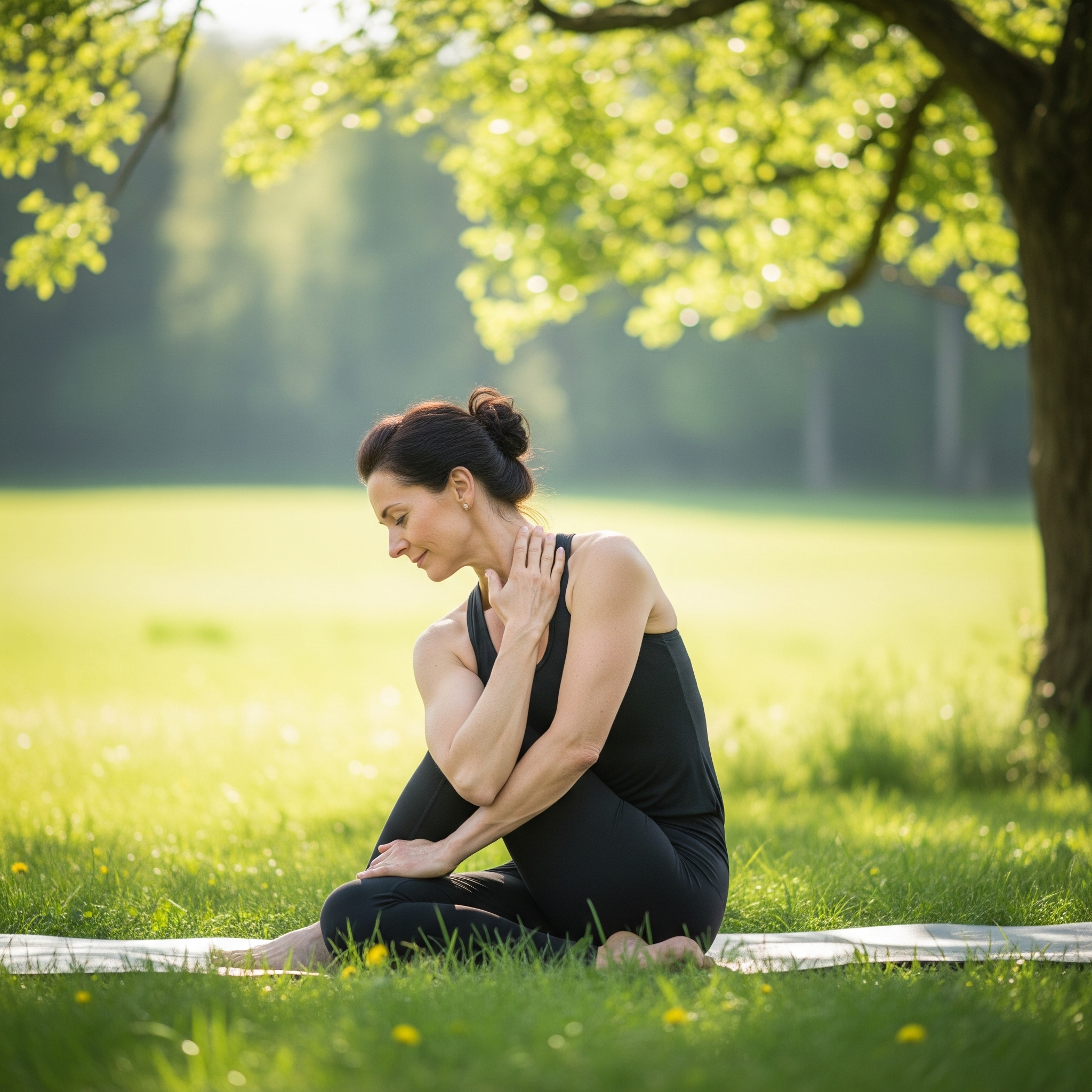
We live in an era of digital hyperconnectivity and bodily disconnection. Modern routines push us to inhabit our minds more than our bodies, to move on autopilot, to ignore physical signals that indicate tiredness, stress, or the need for a break. In this context, many people realize that, although they are in their bodies, they are not necessarily present.withyour body.
Yoga, with its integrative approach, emerges as one of the most effective practices forReconnect with bodily sensations, restore somatic awareness, and recover the link between movement, breath, and presence.Beyond the flexibility or aesthetics of the postures, yoga offers a space for deep listening that can transform the relationship we have with our body.
We will discover how yoga acts as a concrete and progressive tool to return to the body with respect, mindfulness, and conscious movement.
The mind-body disconnect: a contemporary problem
Modern life imposes a pace that often demands functioning more than feeling. Hours in front of screens, lack of varied movement, constant multitasking, and pressure to be productive distance us from our bodies as a source of wisdom. This disconnection is not just a metaphor: it has real consequences.
When we lose the connection with the body:
- We ignore early signs of stress, fatigue, or tension.
- We move without postural awarenessgenerating compensations that can lead to injuries.
- We live in the mindtrapped in thoughts, anxiety or judgment, without anchoring in the present.
- We develop an instrumental relationship with the bodytreating it as something that needs to be corrected or demanded, instead of inhabiting it with kindness.
Returning to your body doesn't mean making more physical effort, butcultivate a felt presenceIt's about paying close attention to what the body is communicating at every moment. And that's where yoga offers its greatest contribution.
Why is yoga an effective tool for reconnecting?
Unlike many physical disciplines that emphasize performance or external form, yoga proposes a different approachinternal, integrative and progressivewhere what matters is not how a posture looks, buthow does it feel.
These are some of the reasons why yoga promotes the mind-body reconnection:
1. Movement with awareness
Each yoga posture (asana) is performed with mindfulness. It's not about achieving a specific form, but about observing how the body enters, adapts to, and holds the pose. This type of movement activates the parasympathetic nervous system, regulates the stress response, and brings us back to the present moment.
2. Breathing as an anchor
Breathing (pranayama) is one of the pillars of yoga. Learning to observe and direct the breath helps us feel the body from within, to perceive how the air moves, where there is space and where there is tension. Breathing is the most direct bridge between mind and body.
3. Active listening and non-judgment
Yoga teaches us to listen to our bodies without imposing our will. Each practice is an opportunity to recognize how we feel that day: whether we have more energy or need more rest. This attitude of deep respect fosters a more compassionate relationship with the body, far removed from the ideal of constant demands or self-correction.
4. Progressiveness and adaptability
A well-guided yoga practice adapts to the practitioner's abilities and needs. Flexibility and prior experience are not necessary. What's important is...start from where you areand move forward from there, cultivating body confidence and inner sensitivity.
5. Mind-body-emotion integration
Yoga does not separate the physical from the mental or the emotional. Through sustained practice, many practitioners discover that certain postures release emotions, memories, or blockages that were stored in the body. This process of integration is key to a deep and lasting reconnection.
What does “reconnecting with the body” mean in practical terms?
Beyond theory, reconnecting with the body involves developing a series of skills and habits that can be learned and cultivated through the practice of yoga:
- Recognize subtle tensions: noticing that you are clenching your jaw, tensing your shoulders, or collapsing your posture.
- Feeling the weight and space of the body: knowing where you are supporting, how you are distributing your energy.
- Adjust from the sensitivity: moving, loosening or holding postures not from brute force, but from body awareness.
- Listen without judgment: accept the limits of the body as allies, not as enemies.
- Being present in the here and now: return to breathing and movement as anchors of the present moment.
This type of connection is not achieved overnight, but is built with constant practice, where each yoga session is an opportunity to return home.
Yoga and reconnection at different stages of life
The ability to reconnect with the body is universal, but the reasons and needs may vary depending on the stage of life:
- YouthYoga can help moderate physical overexertion and cultivate a more balanced relationship with the body.
- AdulthoodMany people come to yoga seeking relief from stress or postural pain. Here, yoga acts as a reorganizer of the nervous system and an emotional regulator.
- Maternity/PaternityYoga promotes reconnection with a changed body and reconnection with breath as a tool for presence.
- Old ageYoga can be adapted to maintain mobility, balance, and awareness, promoting autonomy and well-being over time.
The DOJO: a space to reconnect with the body
At El Dojo, we understand yoga as much more than a physical practice. Our approach is based on:
- Technical classes, but accessible, which guide the practitioner to feel from within.
- Teachers with solid training, who accompany the process with listening and respect.
- A progressive and adapted approach, without external pressures or aesthetic goals.
- A safe spacewhere the body can be inhabited, recognized, and reconnected.
Whether you're taking your first steps into yoga or getting back into it after some time, our goal is for each practice to be a space for genuine connection with yourself.
In a world that constantly pushes us to disconnect from ourselves, yoga invites us to return to our bodies, our breath, and the present moment. Reconnecting with our bodies is not a luxury or a fad: it is a vital necessity for living with greater health, integrity, and purpose.
The practice of yoga, sustained over time, can be the path to recovering that essential connection with your body. A connection that is not based on demands or appearances, but onpresence, respect and sensitivity.
At The Dojo, we invite you to explore this reconnection through a profound yet accessible practice, technical yet loving. Because when you return to your body, you return to yourself.
Related articles
See more
Cultivating presence: taking yoga off the mat

Yoga and physical training: rivals or allies?
How to start yoga if you've never been flexible