Sustainable trends: well-being for the body and the planet
In a world increasingly aware of its environmental impact, the concept of wellness has evolved beyond traditional self-care. Today, well-being is no longer seen solely as an individual process, but as a holistic experience that also involves the environment. New generations of consumers are seeking practices that not only improve their physical and mental health, but also generate a positive impact on the planet. In this context, sustainable wellness has established itself as one of the leading global trends.
At El DOJO, we understand that true balance is achieved when the body, mind, and environment work in harmony. Therefore, in this article, we explore the main sustainable trends that are transforming wellness as we know it. From renewed ancestral practices to green technologies applied to self-care, environmentally conscious wellness is not a fad: it's a necessity.
1. Conscious minimalism: less is more, also in well-being
Minimalism has transcended interior design and now permeates the world of wellness. The central idea is to simplify the self-care routine by eliminating excess products, practices, and unnecessary stimuli.
This approach not only promotes mental health by reducing decision overload but also minimizes resource consumption and waste generation. Many sustainable brands are opting for multifunctional cosmetics, natural ingredients, biodegradable or reusable packaging, and ethical production processes. Consumers, for their part, increasingly value transparency, ingredient traceability, and the social impact of the products they choose.
2. Applied biophilia: reconnection with nature
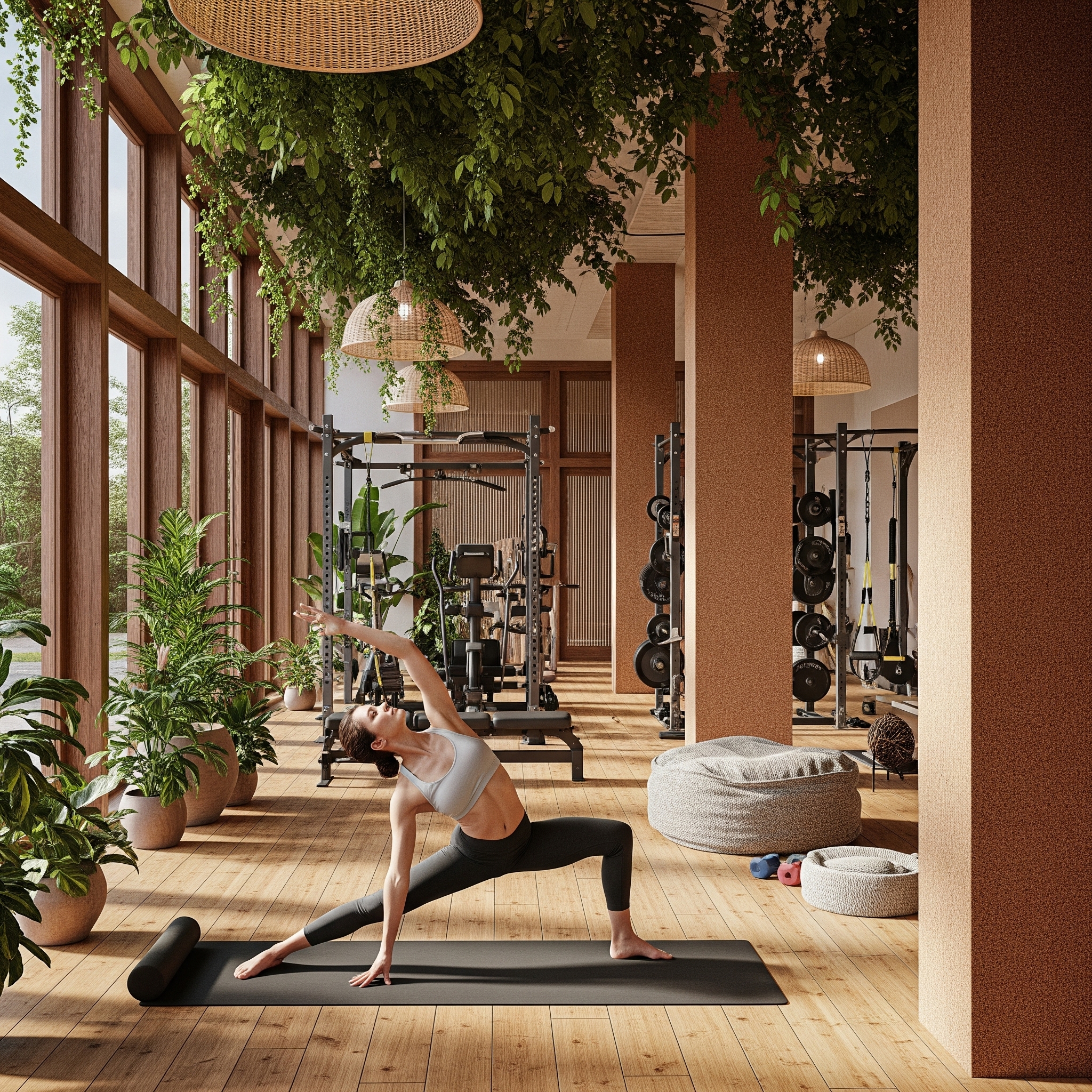
Biophilia, or the innate love of life and natural ecosystems, is a trend gaining momentum in all aspects of well-being. Incorporating natural elements into spaces where we practice yoga, meditation, or relaxation generates both emotional and physiological benefits.
Exposure to nature reduces stress, improves concentration, lowers blood pressure, and boosts the immune system. Biophilic design ranges from having plants at home to building fitness studios with organic materials, natural light, and cross-ventilation. It also includes outdoor activities such as forest bathing (shinrin-yoku), mindful hiking, and therapeutic gardens.
3. Regenerative nutrition: eating well is also taking care of the planet
Healthy eating is no longer measured solely in calories or nutrients, but also in its environmental footprint. The trend toward more sustainable diets—such as plant-based, flexitarian, and locally sourced products—is booming.
The goal is to reduce the ecological impact of the food industry, responsible for approximately 26% of global greenhouse gas emissions. Foods grown using regenerative agriculture practices, which aim to revitalize the soil and conserve ecosystems, are gaining traction in the wellness industry. This approach not only offers more nutritious and cleaner food, but also supports local economies and promotes food sovereignty.
4. Wellness digital sostenible: tecnología consciente al servicio del bienestar
Technology can be an ally for well-being, but it can also become a source of stress and excessive consumption. The current trend is toward a more conscious and balanced use of digital tools: from apps that promote healthy habits without fostering addiction, to platforms that offset their carbon footprint.
Sustainable digital wellness involves setting screen time limits, using gadgets with eco-certifications, and opting for virtual training platforms that promote authentic, accessible, and holistic content.
5. Ancestral therapies with an eco-conscious approache
Ancient therapies—such as Ayurveda, Traditional Chinese Medicine, and Indigenous healing rituals—are being reinterpreted according to principles of sustainability and cultural respect. Many of these practices involve a deep understanding of the relationship between the human body and nature, making them key allies in sustainable wellness.
However, the ethical use of these traditions requires avoiding cultural appropriation, ensuring responsible practices in the harvesting of medicinal plants, and working closely with communities that are the guardians of this knowledge. The wellness of the future recognizes that personal well-being cannot exist without social justice and environmental balance.
6. Sustainable wellness spaces: architecture and design at the service of balance
Wellness centers, spas, gyms, and yoga studios are integrating sustainability criteria into their architectural design and daily operations. This includes the use of renewable energy, efficient water management, recycled materials, LED lighting systems, and regenerative landscaping.
Furthermore, the design of these spaces considers the emotional well-being of users through sensory experiences, natural sounds, non-invasive aromas, and ergonomic design. The aim is to create environments that stimulate mindfulness and inspire users to live more sustainably in their daily lives.
Sustainability and well-being are no longer parallel paths: they are one and the same. New generations not only seek to feel good, but also to do good. In this new paradigm, self-care becomes an ethical practice, connected to the community and the natural environment.
At El DOJO, we believe that every action, no matter how small, can contribute to a healthier and more equitable world. That's why we work every day to offer wellness experiences that respect life in all its forms. Whether through mindful movement, whole foods, meditation, or the responsible design of our spaces, our commitment is clear: to care for you while we care for the planet.
The well-being of the future is regenerative, inclusive, and deeply human. Are you ready to be part of the change?
Related articles
See more
Self-care as a form of personal activism

How boutique gyms are evolving around the world

Intentional training: the return of the essentials