Mindful training: listening to your body is also progress
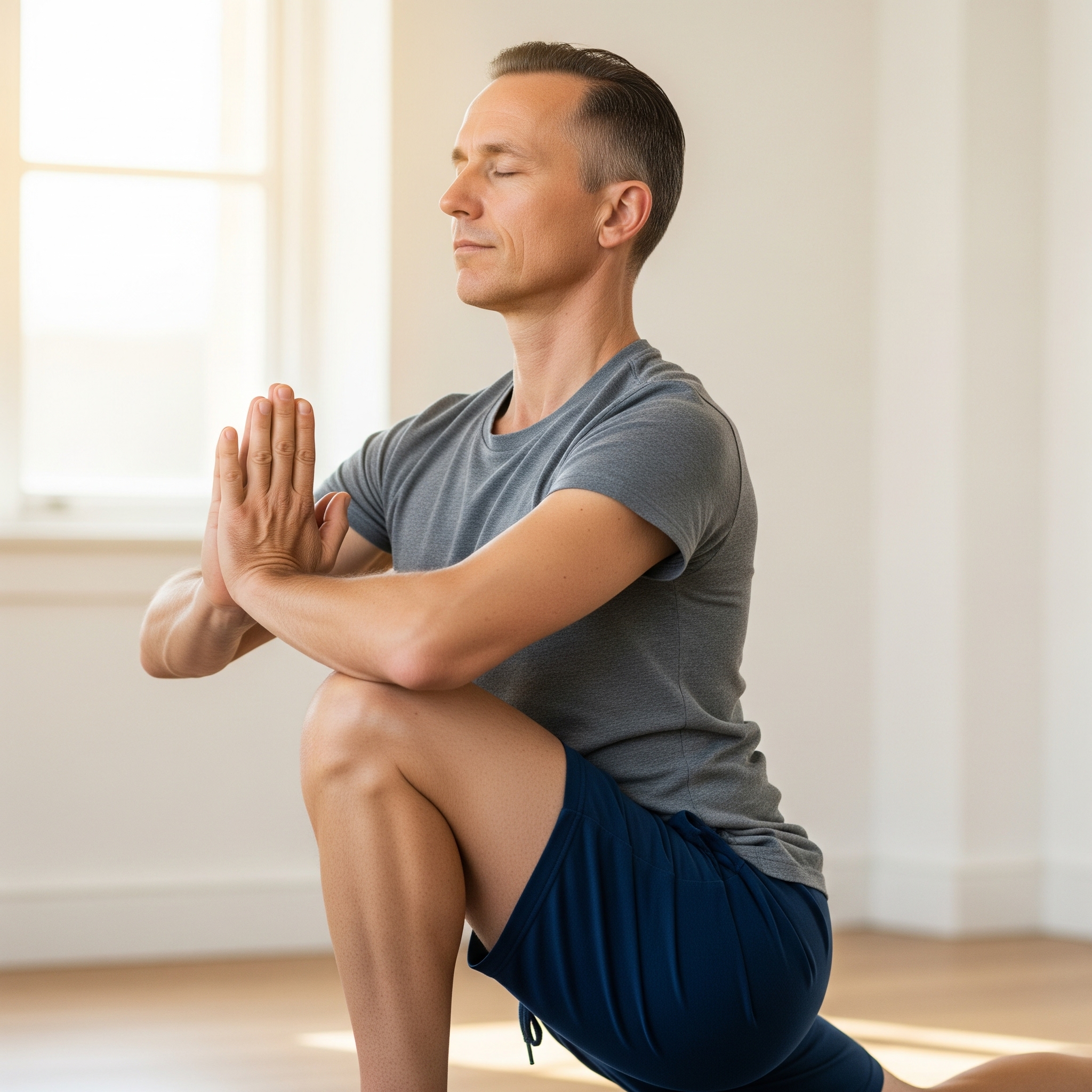
In the world of physical training, we often associate progress with tangible metrics: lifting heavier weights, running faster, doing more repetitions. While these indicators have value, there's another type of evolution that isn't measured in numbers, but which profoundly transforms our relationship with movement: we're talking about mindful training.
Listening to your body is not a passive act. It requires attention, presence, and humility. It's understanding when to push and when to retreat, when to accelerate and when to release. At El Dojo, we promote a physical practice that goes beyond performance. We believe in holistic development, the mind-body connection, and the importance of training with respect for individual rhythms.
We'll delve deeper into what mindful training is, why it's key to sustainable progress, and how to concretely integrate it into your daily practice.
What is mindful training?
Mindful training is a training method that focuses on the quality of movement, mindfulness, and respect for the body's signals. It's not just about what you do, but about...asYou do it. It involves an active and deliberate focus on every repetition, every pause, every transition.
It's not a specific training style, but rather an attitude that can be applied to any discipline: strength, mobility, endurance, yoga, or martial arts. It's a way of practicing where body awareness is just as important as technical execution.
Why is listening to the body a form of progress?
The body has a language. It expresses everything: fatigue, tension, improvement, imbalance, overload. Listening to it and acting accordingly doesn't mean you're slowing down. It means you're fine-tuning your instrument to perform better, longer, and with less wear and tear.
These are some ways that listening to your body positively impacts your progress:
- Prevents injuriesRecognizing a problem early can prevent it from becoming a chronic injury.
- Improve your techniqueBeing present in the movement allows you to correct errors in real time.
- Optimize recoveryKnowing when to reduce the workload or when to rest accelerates adaptive processes.
- Increases adherenceWhen you train with respect, training ceases to be an obligation and becomes a space for self-connection.
- Develop self-confidenceTrusting your internal feelings makes you less dependent on external stimuli (clocks, apps, comparisons) and more in control of your process.
How to develop a more mindful training approach?
1. Presence in every repetition
Many people train on autopilot. They get their bodies moving, but their minds are elsewhere. Mindful training requires full presence. It doesn't mean slowing down, but rather doing everything with intention.
Practical exampleIn a squat, pay attention to the weight distribution on your feet, core engagement, and knee opening. This internal awareness reinforces your technique and enhances the results.
2. Breathing as an anchor
Breathing is the direct link between body and mind. Observing how you breathe during exercise (and between repetitions) can give you key information about your physical and emotional state.
DOJO CouncilInhaling before exertion and exhaling during execution helps stabilize the core and focus attention. It's also useful to use your breath to "read" if you're pushing yourself too hard.
3. Continuous self-assessment
Don't wait until the end of the workout to reflect. Do it during. Ask yourself:
- How does this movement feel today?
- Am I moving fluidly or stiffly?
- Am I using the right weight for this exercise?
- Do I feel pain or just natural discomfort from exertion?
These questions are not a distraction. They are a compass.
4. Accept the slow days (and train anyway)
Listening to your body also means recognizing that not every day is for peak performance. Some days the focus should be on mobility, control, or simply moving around without pushing yourself.
That's progress too.
It's not the clock or the volume of work that measures you. It's consistency, the mindfulness with which you train, and your ability to adapt to your actual circumstances.
5. Record feelings, not just numbers
Tracking your workouts can include more than just sets, reps, and weights. Add notes about how you felt physically and mentally. This allows you to identify patterns: which days you perform best, when you need more rest, and what types of exercises motivate you most.
DOJO CouncilWriting down “I felt my glutes working well” or “it was hard to keep up the pace, but my knee didn’t hurt” is just as valuable as writing “I did 4x10 with 50 kg.” Both help you make better decisions.
Common obstacles to mindful training
Although it sounds simple, mindful training can be challenging. Here are some common obstacles:
- The comparisonLooking at what others are doing and feeling like you're slow. Remember that real progress is internal.
- The egoWanting to prove oneself, even when the body isn't ready. The ego trains for validation; consciousness, for evolution.
- The "more is better" cultureThis mentality leads to overtraining. But more isn't always better. Better is better.
Overcoming these obstacles requires retraining your approach, trusting your process more, and valuing quality over quantity.
Mindful training isn't about doing less, but about doing better. It's about focusing your attention where it matters: on your body, your breath, the intention behind your movement. It's a practice that transforms not only how you move, but also how you relate to yourself.
At El Dojo, we believe that listening to your body is a powerful tool for growth. Because when you train mindfully, you don't just strengthen your muscles: you cultivate patience, self-discipline, and respect for your own process.
The next time you train, try this: let go of external expectations, tune in to your internal sensations, and make each repetition an opportunity to get to know yourself better. That, perhaps, is the greatest progress of all.
Related articles
See more
Exercise and the menstrual cycle: how to move in each phase

Mobility, stability and control: the keys to a long-lived body

Community training: the power of moving with others