Exercise and the menstrual cycle: how to move in each phase
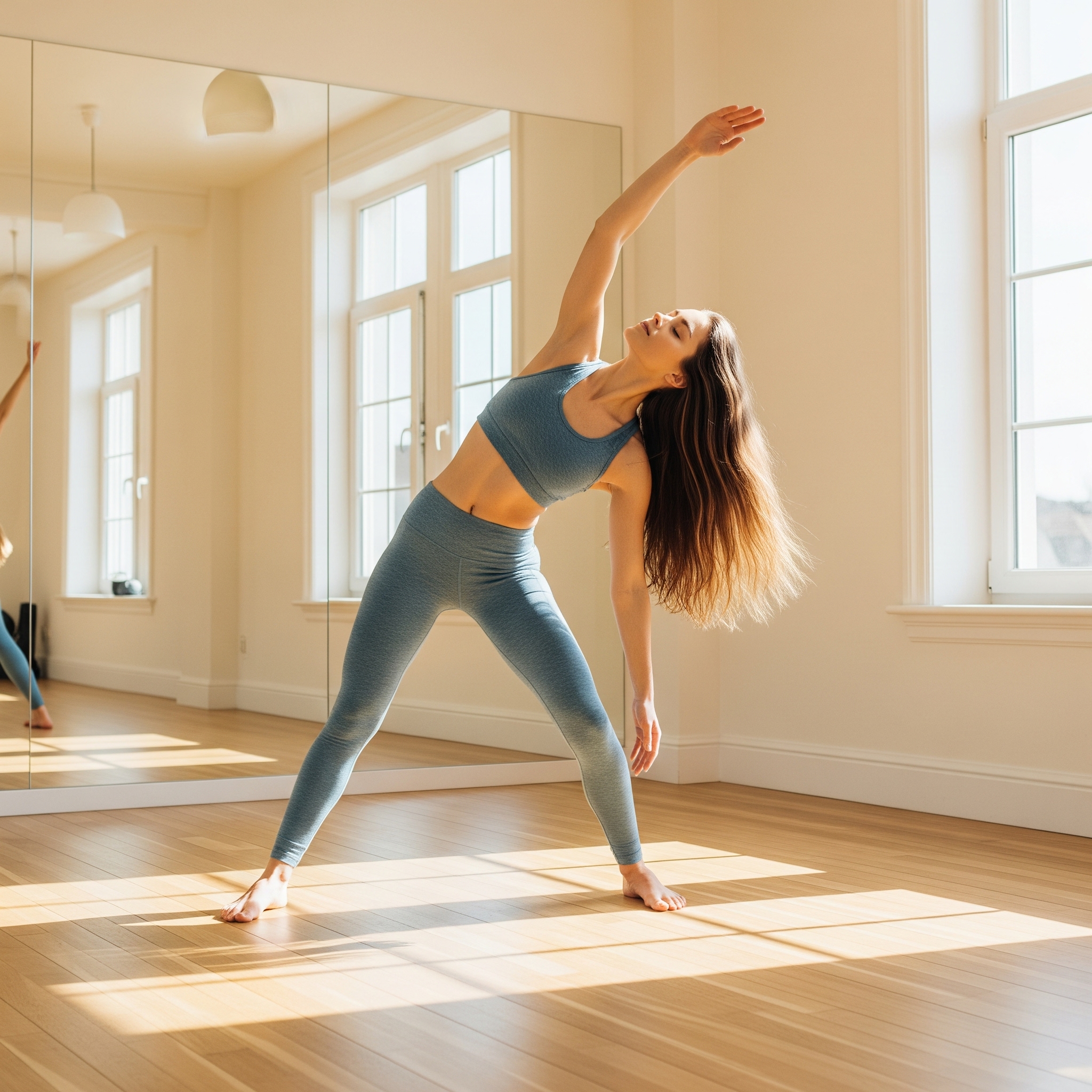
Talking about physical training without considering the menstrual cycle ignores a fundamental part of the physiological and hormonal process experienced by many people who exercise. For decades, training programs were designed using male parameters—linear and constant—without taking into account the hormonal fluctuations experienced by women who menstruate monthly.
But the body is not a machine that functions the same way every day. Quite the contrary,Each phase of the menstrual cycle involves a different hormonal environmentwith concrete effects on energy, strength, recovery, motivation and even the perception of pain.
At The Dojo we believe thatTraining also involves listeningProgress isn't about always moving forward at the same speed, but rather adapting the intensity, focus, and expectations to the moment we're in. That's why understanding the menstrual cycle and how to move through each of its phases not only improves physical performance but also strengthens our relationship with our own bodies.
We will explore each of the four phases of the menstrual cycle and how to adapt training in each one, from a technical, realistic approach focused on the experience of those who move.
One cycle, four scenarios: the basics to understand
The menstrual cycle is divided intofour phasesmain ones, each with distinct physiological characteristics:
- Menstrual phase (days 1-5 approx.):It begins with bleeding. Estrogen and progesterone levels are at their lowest.
- Follicular phase (days 6-13):The body begins to increase estrogen production, preparing for ovulation.
- Ovulation (around day 14):Estrogen peak and testosterone increase. There is usually more energy and strength.
- Luteal phase (days 15-28):Progesterone levels rise, then decrease if there is no pregnancy. Many people experience premenstrual symptoms.
These parameters are guidelines: every body is different and the number of days can vary. What's important is not mathematical precision, but theindividual recording and active listening to the body.
Phase 1: Menstrual
What happens in the body:
The body is bleeding and hormone levels are low. It's common to experience fatigue, abdominal tenderness, muscle aches, or decreased exercise tolerance.
How to train:
This could be an ideal time toLower the intensity while continuing to moveLight or moderate physical activity can relieve cramps, improve mood, and promote circulation.
Suggestions:
- Smooth joint mobility.
- Low-impact workouts (walking, light cycling, gentle yoga).
- Breathing exercises and mind-body connection.
- Avoid maximum loads or very explosive stimuli if there is discomfort.
DOJO Council:Respecting rest is also progress. Listening to your body is not weakness: it's strategy.
Phase 2: Follicular
What happens in the body:
Estrogen levels begin to rise. The body feels lighter, the mind more focused, and the nervous system more receptive to motor learning.
How to train:
This is one of the best moments of the cycle forLearn new skills, build strength, and increase intensity.gradually.
Suggestions:
- Strength training with medium to high loads.
- Technical work of complex skills (coordination exercises, transitions, flow).
- Higher volume resistance training.
DOJO Council:Take advantage of this moment to challenge yourself. It's a phase in which the body responds well to the load and adapts efficiently.
Phase 3: Ovulation
What happens in the body:
The peak in estrogen and testosterone usually translates intogreater energy, power and confidenceThe nervous system is sharp, and the body responds well to intense physical challenges.
How to train:
This may be the best time of the month tolook for performance peaks or new PRs (personal records).
Suggestions:
- Maximum force, load tests.
- Power training (jumps, sprints, explosive movements).
- Demanding WODs or intense physical challenges.
Caution:Some research suggests that during this period there may beslight increase in the risk of knee injuriesespecially the anterior cruciate ligament. That's why it's crucial to warm up properly, work on stability, and avoid poorly controlled movements.
DOJO Council:If you feel strong, use it to your advantage. But always with technique and control: training hard is not synonymous with training recklessly.
Phase 4: Luteal
What happens in the body:
Progesterone levels rise, which can lead tofluid retention, fatigue, irritability, or changes in sleep and moodMany people have a lower tolerance for physical stress.
How to train:
In this phase, the important thing isAdjusting expectations while continuing to move forwardIt is ideal for jobs that prioritize control, breathing, technique, or mobility.
Suggestions:
- Mobility and stability training.
- Strength with moderate loads and technical focus.
- Low to moderate intensity aerobic exercise.
- Shorter sessions, but with a clear focus.
DOJO Council:Consistency isn't always measured in intensity. Training with focus during this phase is just as valuable as lifting weights during another. Every part of the cycle counts.
The importance of personal registration
Every body is unique. Beyond the general guidelines, the most valuable thing is that you canrecord your own cycle: how you feel in each phase, what kind of stimuli make you feel good and which ones don't.
Keeping a simple journal (paper or app) where you note down energy, mood, performance, and training quality can help youdesign a truly personalized and sustainable routine.
At El DOJO we promote autonomy and self-knowledge as tools for progress.
Physical training doesn't have to ignore the menstrual cycle. In fact, incorporating it can be one of the most powerful changes you can make to train more efficiently, safely, and in a more connected way.
It's not about training less, but abouttrain betterUnderstanding that the body is cyclical, not linear. That there are times to tighten and times to loosen. That consistency doesn't require rigidity, but adaptability.
At El Dojo, we believe in a practice that respects the body's natural fluctuations. We train through listening, not imposition. Because only in this way is it possible to build a solid relationship with movement, one that doesn't break down at the first sign of hormonal discomfort, but rather endures in the long term.
Training with the cycle is training intelligently. And that, without a doubt, is also progress.
Related articles
See more
Mobility, stability and control: the keys to a long-lived body

Community training: the power of moving with others
What is the DOJO method and why does it work?