Meditation in motion: the true heart of yoga
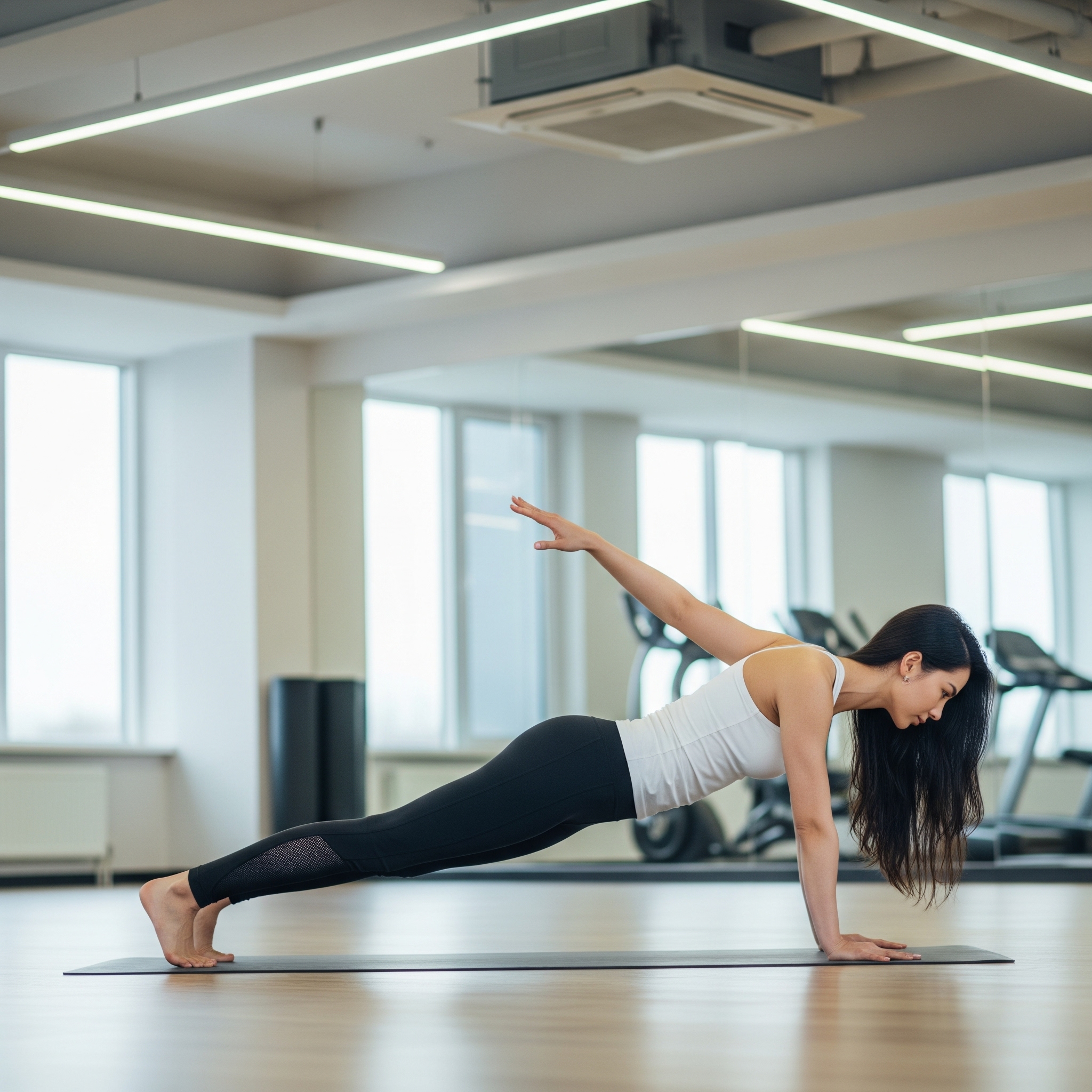
When many people think of yoga, the first thing that comes to mind is the physical postures (asanas): stretches, balances, twists, or sequences that challenge strength and flexibility. And while physical work is an important part of this ancient practice, it is not its essence.The true heart of yoga is meditation in motion: a way of inhabiting the body with full awareness, where every breath and every gesture is a gateway to the present.
Yoga is not an exotic form of exercise nor a simple relaxation technique. It is a holistic discipline that seeks to unify body, mind, and breath to generate presence, calm, and clarity. In this sense, each posture is an opportunity to train attention. Each transition is a practice of listening. Each breath, an anchor. What distinguishes yoga from other forms of movement is precisely its meditative quality.
In this article we will exploreWhat does it really mean to meditate in motion, how does it manifest in a yoga practice, and why is it so transformative for everyday life?We'll also give you some tips for cultivating this approach, both on and off the mat.
Beyond the postures: yoga as a path to mindfulness
Yoga originated in ancient Indian traditions, and its central goal was never just physical well-being, but self-knowledge.Yoga SutrasFrom Patanjali, one of the fundamental texts of this discipline, yoga is defined as“citta vritti nirodha”That is, the cessation of the fluctuations of the mind.
And how is this achieved? Through practices involving breathing (pranayama), concentration (dharana), meditation (dhyana), life ethics (yamas and niyamas), and, yes, postures (asanas). But postures, far from being an end in themselves, are a tool:a way to return to the present moment from embodied experience.
Practicing yoga as a moving meditation involves performing each pose with full awareness. It's about feeling the body from within, noticing its weight, energy, and breath. It's about ceasing to "do" and beginning to "be." It doesn't matter so much whether the pose is complex or simple, but rather whether we are present in it.
In this sense, The quality of consciousness matters more than the aesthetic form of the body.A simple posture, experienced with depth, can be more transformative than an acrobatic sequence performed automatically.
What is meditating in motion?
Meditating in motion is simply training the mind through the body. As you move mindfully—whether in a flowing sequence or in the stillness of a held posture—your nervous system receives the signal that it can release its reactive mode. An inner space opens up from which to observe, feel, and regulate yourself.
This has concrete effects:
- Stress and anxiety reductionby activating the parasympathetic system.
- Greater mental clarityby reducing internal noise.
- Increased emotional resilience, by practicing presence in the face of discomfort.
- Improvement in body self-image, by inhabiting the body with acceptance.
- Greater coherence between thought, emotion, and action, thanks to the mind-body integration.
Moving meditation also helps you toget out of autopilotInstead of moving mechanically, you enter into dialogue with your experience. This quality is, in itself, an act of freedom.
How to cultivate moving meditation in your yoga practice
Incorporating this approach does not require changing the structure of your practice, butadjust the attitude with which you approach herHere are some key points for doing so:
1. Breathe first, move later
Breath is the bridge between mind and body. In yoga, every movement is coordinated with an inhalation or an exhalation. Instead of rushing to the next pose, allow yourself toLet your breathing set the rhythm.
This not only makes the practice safer (because it reduces the impulse and increases listening), but it also strengthens awareness. Where there is breath, there is awareness.
2. Feel it from within
Instead of looking at how the posture looks from the outside, explorehow it feels from the insideThis involves directing attention to support, temperature, muscle tone, and the flow of breath in different parts of the body.
This type of interoceptive awareness strengthens the connection with the body and helps to develop a more sensitive and respectful relationship with it.
3. Use transitions as part of the practice
Often, the focus is on the final posture. ButHow we get there is just as important as the destination.Transitions are rich moments for awareness: they allow us to observe automatic habits, unnecessary tensions, or subtle distractions.
Moving mindfully between postures trains us toto live with more presence also in the “in-between” moments of life.
4. Repeat sequences like a mantra
Repetitive sequences—like Surya Namaskar (Sun Salutations)—become more powerful when practiced like a moving mantra. It's not about innovation, but about deepening. By mindfully repeating a movement pattern, the mind calms and the body enters a flow that fosters meditation.
5. Don't look for performance, look for presence
Yoga is not a competition. Not with others, nor with past versions of yourself.Let go of the idea of “improving” and replace it with “being”This is key to making the practice meditative. It's not about doing it perfectly, but about doing it consciously.
Beyond the mat: meditation in motion in everyday life
One of the great benefits of cultivating moving meditation in your yoga practice is that its effectsexpand beyond the matYou begin to inhabit your body even while walking, washing dishes, or eating. You become more capable of responding instead of reacting. More skilled at pausing, breathing, and choosing intentionally.
Thus, yoga ceases to be an “extra” activity and becomes aa way of living with more connection and less fragmentation.
Meditating in motion is not a complicated technique nor a goal reserved for those who have practiced for years. It is an attitude, an inner disposition that transforms even the simplest practice into a profound act of awareness. It is remembering, again and again, thatYou are alive, breathing, feeling. Here. Now.
At The Dojo, we understand yoga as a path to that presence. It doesn't matter if you come out of curiosity, physical need, or inner searching: what matters is that you allow yourself toexperience your practice as an exploration of yourselfnot as a list of achievements to accomplish.
We invite you to approach yoga from this place. Where each breath is an opportunity to return. Where each posture becomes a gesture of listening. And where movement is, in essence,a way to meditate with the body awake.
Related articles
See more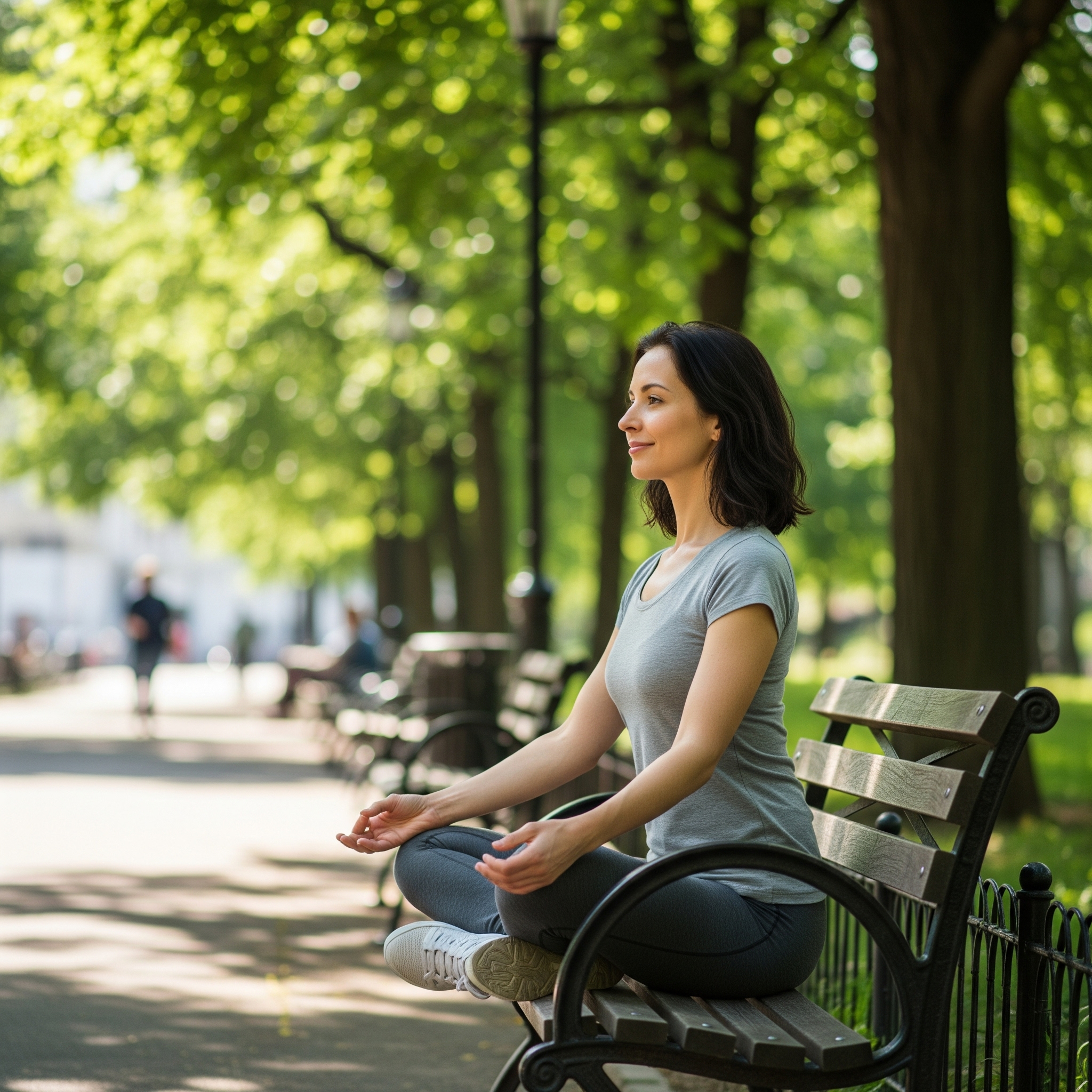
Cultivating presence: taking yoga off the mat

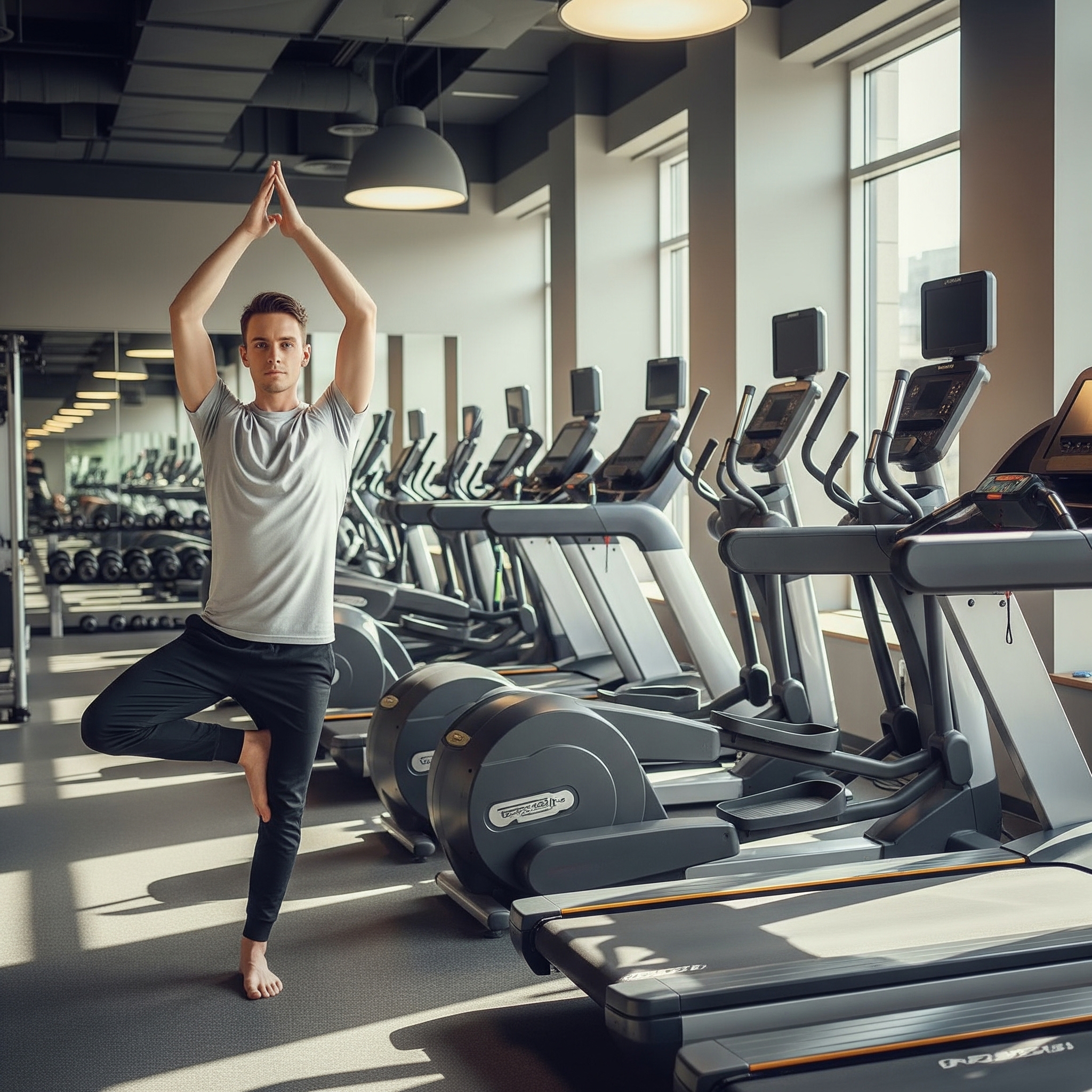
Yoga and physical training: rivals or allies?
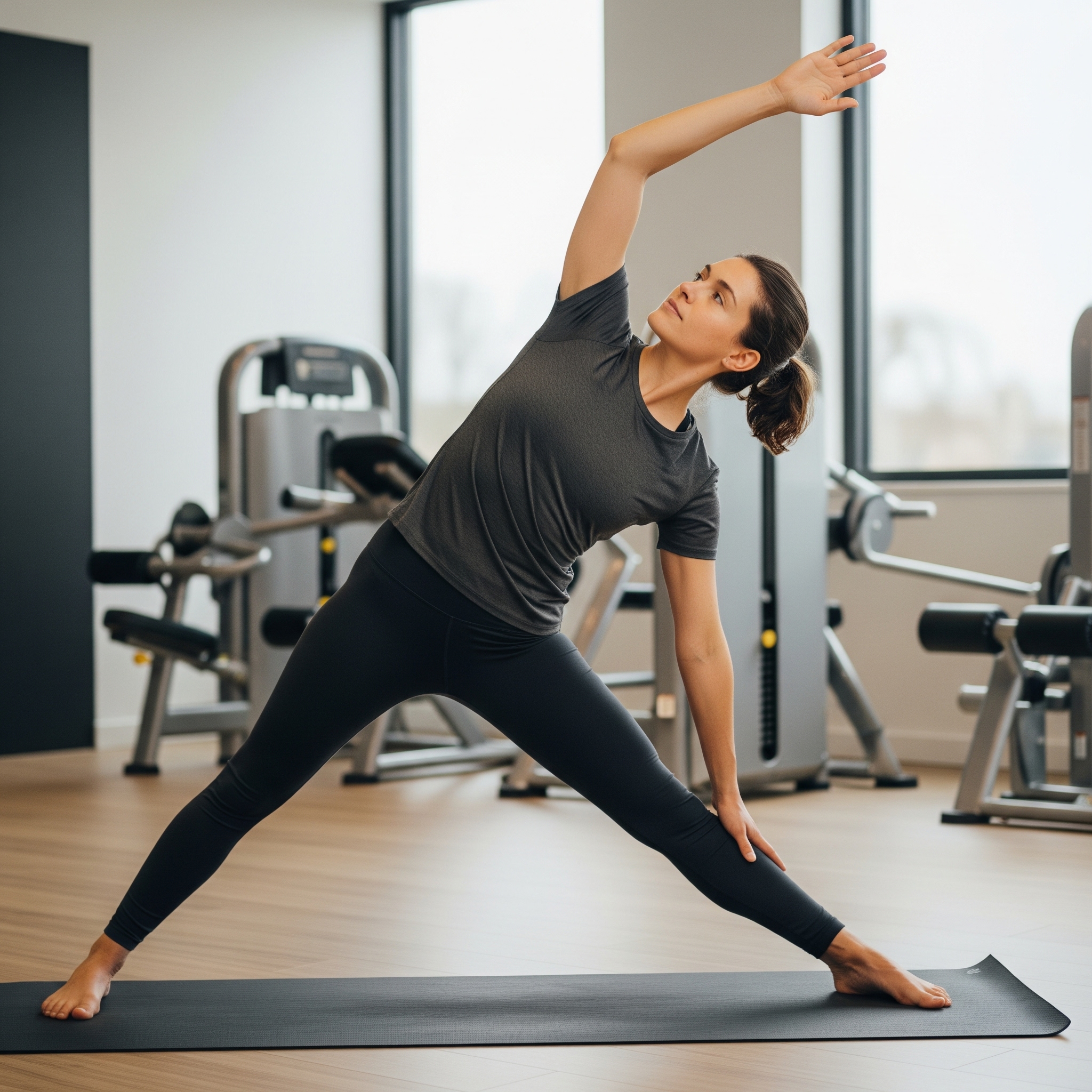
How to start yoga if you've never been flexible