Hatha or Vinyasa? Find your path in yoga
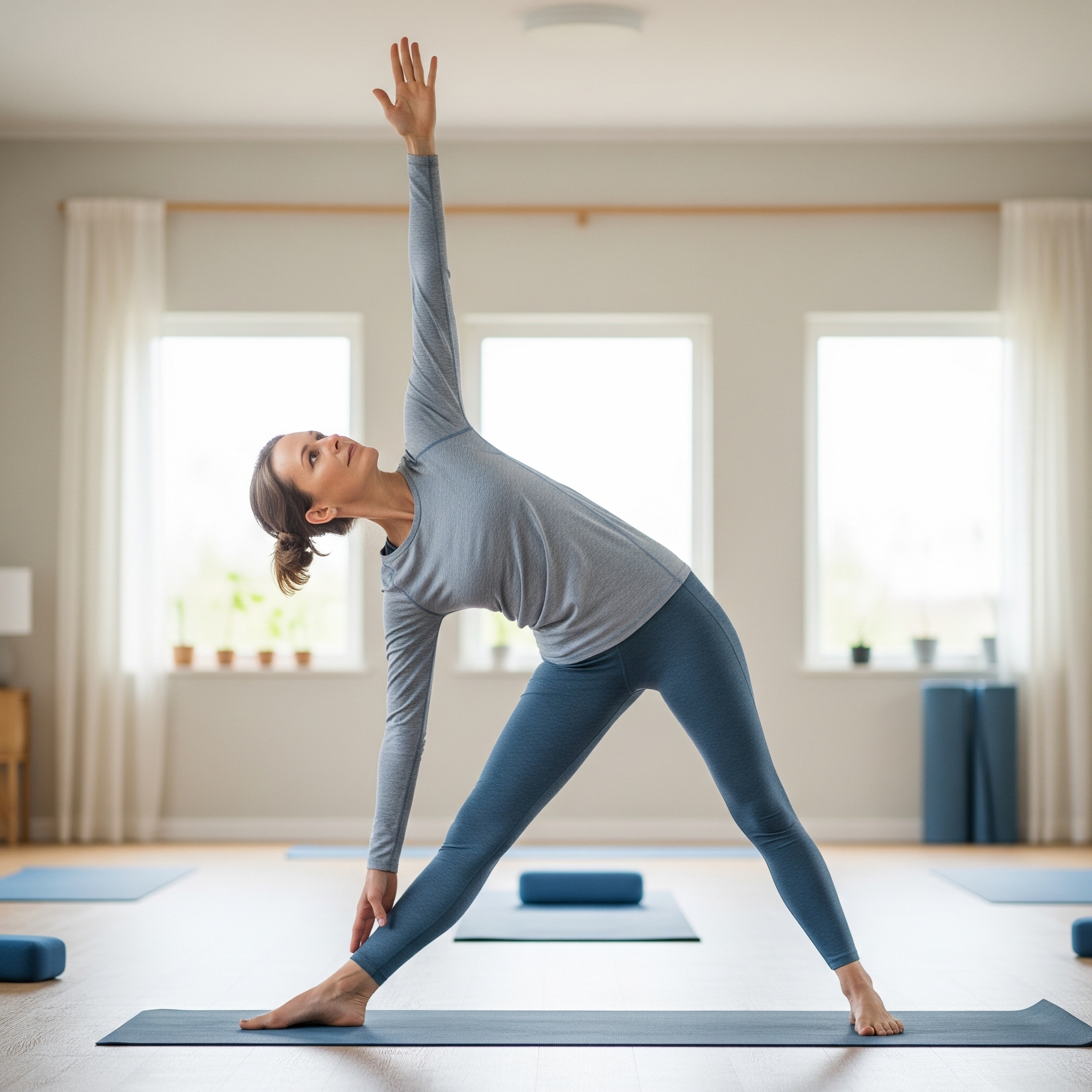
The practice of yoga has gained popularity worldwide as a powerful tool for physical, mental, and emotional well-being. But those approaching the world of yoga for the first time often face a key question:Where do I begin?Among the variety of styles that exist, two of the best known—and often confused—are theHatha Yogaand theVinyasa Yoga.
Although both share the same philosophical and structural roots, their approaches, rhythms, and goals can be very different. Understanding these differences is essential for choosing a practice that aligns with your needs, your current energy level, and your long-term goals.
Here, we explore with clarity and depth what defines each style, how they impact the body and mind, and how you can choose (or combine) the path that best suits you within the universe of yoga.
What is Hatha Yoga?
Hatha YogaIt is, in general terms, the foundation upon which many of the physical practices of modern yoga are built. The term “Hatha” comes from two Sanskrit words:ha(sun) andYes(moon), symbolizing the union of opposing and complementary energies.
In its contemporary form, Hatha presents itself as a rhythmic practiceslow and consciouswhich prioritizes:
- Postural alignment.
- The time spent in each asana (posture).
- Controlled breathing (pranayama).
- Internal observation.
A Hatha class can include anything from simple postures to moderate physical challenges, but always with an emphasis on themindfulness, stability, and exploring the body from withinIt is ideal for those looking to get into yoga with a solid foundation, improve their body awareness, and cultivate an introspective practice.
Benefits of Hatha Yoga
- Improves posture and alignment.
- Reduce stress through conscious breathing.
- Strengthens stabilizing muscles.
- Develops concentration and self-control.
- It is accessible to people with little experience or physical limitations.
What is Vinyasa Yoga?
Vinyasa YogaOn the other hand, it is a more dynamic and fluid style. Its name translates as "conscious placement," and refers to the coordination between movement and breath. Unlike Hatha, where each posture is held for several breath cycles, Vinyasa proposes a sequence.constant, rhythmic, and often challenging.
Inspired in part by Ashtanga Yoga, but with more creative freedom, Vinyasa adapts to the intention of the instructor and the group, resulting in very varied classes, where the transitions between postures (the so-calledVinyasa) are as important as the positions themselves.
Benefits of Vinyasa Yoga
- It improves cardiovascular and respiratory capacity.
- It increases physical endurance.
- It generates body heat and activates the metabolism.
- Develops agility, coordination, and mental focus.
- It offers a meditative experience in motion.
Hatha vs Vinyasa: Key Differences
Aspect
Hatha Yoga
Vinyasa Yoga
Rhythm
Slow, paused
Dynamic, fluid
Main focus
Alignment, permanence
Movement synchronized with breathing
Physical intensity
Moderate to low
Moderate to high
Practice style
Structured and stable
Creative and changeable
Primary objective
Balance and body awareness
Fluency and physical/mental endurance
Ideal for…
Beginners, recovery, introspection
People with experience, high energy, and a need for dynamism
These differences don't make one "better" than the other. They simply reflect different needs and stages in each practitioner's personal journey.
Which one should you choose based on your current situation?
Choosing between Hatha and Vinyasa depends less on a general rule and more on yourphysical, mental and emotional stateHere are some guiding questions:
- Are you just starting out and want to build a solid foundation without overburdening yourself? →Hatha is your best option.
- Feeling energetic and looking for an intense practice that also helps calm your mind? →Vinyasa Test.
- Are you in a recovery process or under high stress and need to slow down? →Hatha can help regulate your nervous system.
- Do you want to combine strength, flexibility, and focus in a fluid practice? →Vinyasa is ideal for you.
- Do you like to understand the positions carefully and precisely before moving more freely? →Start with Hatha and then integrate Vinyasa.
And why not both?
The choice between Hatha and Vinyasa does not have to be mutually exclusive.Both styles can coexist in your week, in your month, or even within the same well-structured class.Alternating practices can enrich your experience, prevent stagnation, and help you respond to your own energy fluctuations.
One day your body asks for pause, depth and silence: Hatha.
Another day you need to move, release tension, connect with the rhythm: Vinyasa.
Being a holistic practitioner also means knowing how to choose based on listening and adaptation.
The importance of the teacher and the environment
Beyond style, the quality of the experience depends largely on the space where you practice and the guidance you receive. At The Dojo, we value:
- Guided classes with precise technique and clear language.
- An environment that fosters inner listening, without external pressures or demands.
- The possibility of building a progressive and personalized practice.
In both Hatha and Vinyasa, our approach prioritizes the mind-body connection, respect for individual anatomy, and the creation of a strong and conscious community of practice.
Choosing between Hatha and Vinyasa isn't about taking sides. It's an informed decision that can change over time, depending on your needs, energy levels, and goals.
Hatha provides a foundation. Vinyasa, flow. Both, when practiced mindfully, can be powerful tools for transforming your relationship with your body, breath, and mind.
At The Dojo, we guide you as you explore, compare, and build your own path within yoga. Because the true purpose of the practice is not just to master postures, but to develop an attentive, flexible, and kind perspective toward yourself.
At the end of the day, it's not about what style you choose, but abouthow the journey transforms you.
Related articles
See more
Cultivating presence: taking yoga off the mat

Yoga and physical training: rivals or allies?
How to start yoga if you've never been flexible